
 Today on Main Street Money with Marcus Hale
Shapiro Wants to More Than Double Pennsylvania's Minimum Wage. The State's Own Numbers Say the Market Already Beat Him to It
Fresh off a Democratic trifecta, Pennsylvania's governor wants a wage hike as his first bill. Fewer than 1 percent of the state's workers earn the minimum, and budget scorekeepers warn of lost jobs.
Filed November 15, 2026 · 📍 Harrisburg, PA 17101
Were you there? Share your story
Key points
- Shapiro wants to more than double Pennsylvania's $7.25 minimum wage after Democrats won full control in Harrisburg
- Only 42,900 Pennsylvania workers, about 0.7%, earned the minimum or less in 2025
- The CBO found a $15 federal floor would cost about 1.4 million jobs while lifting 900,000 out of poverty
- Democrats have not settled on a final number, leaving room for a regional approach
Democrats are wasting no time turning their midterm gains into a wage mandate. Fox News reported that the party is seizing on its wins to push for sweeping minimum-wage increases, with Pennsylvania Gov. Josh Shapiro saying he wants to more than double his state's minimum wage now that Democrats hold the governor's office and both chambers in Harrisburg [1]. Shapiro wants a wage hike to be the first bill he signs, though Democrats have not yet agreed on a number, the Northeast Times reported [2].
The likely starting point is already written. Earlier this year the Pennsylvania House passed a bill to raise the minimum wage to $11 an hour in 2027 and $15 by 2029, FOX 29 reported [3]. The Republican-led state Senate blocked it, according to WITF [4]. With a Democratic trifecta arriving in January, that roadblock is gone.
The goal sounds generous: a raise for the lowest-paid workers in the state. But good intentions are not the same as good results, and the people a mandate is meant to help are often the first to pay for it.
The Market Already Gave Pennsylvania a Raise
Start with a fact the campaign speeches skip. Pennsylvania's legal floor is still $7.25, yet almost no one works for it. The number of Pennsylvania workers earning the minimum or less fell to 42,900 in 2025, an all-time low equal to about 0.7 percent of the workforce, according to the Commonwealth Foundation's review of state labor data [5]. That count has dropped roughly 42 percent since 2020 [5].
Why? Employers competing for workers have been bidding wages up on their own. The foundation, citing the state's Independent Fiscal Office, puts the effective market minimum at roughly $11 to $11.50 an hour [5]. In other words, the free market has already done much of what Harrisburg now wants to order by law, and it did so without forcing the same number on every corner of a very different state.
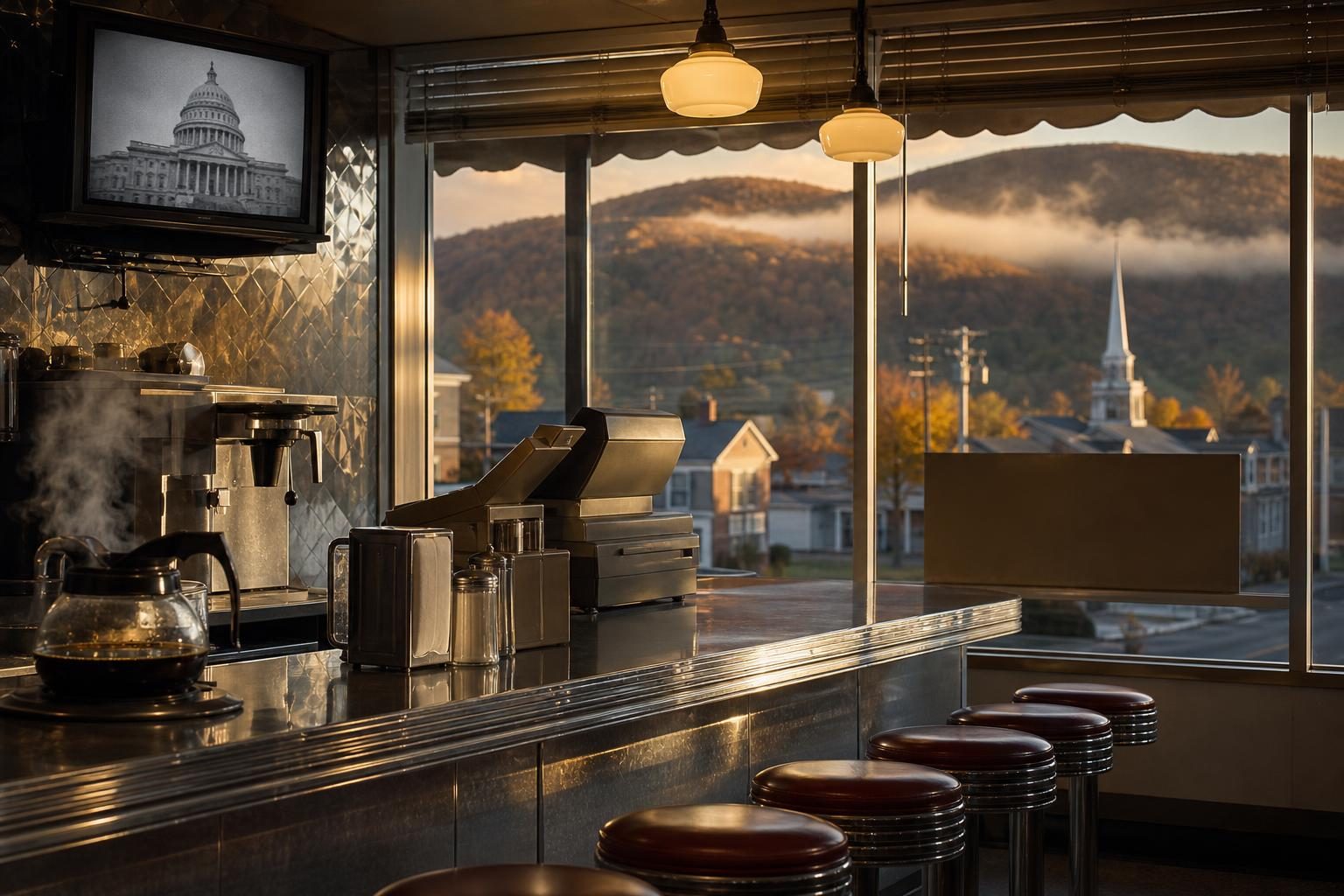
That matters in a place as varied as Pennsylvania. A wage that works on the Main Line can be a heavy lift for a diner in a small Allegheny mountain town or a family farm stand that runs on thin margins. A single statewide mandate treats them all as if they were the same business with the same customers. They are not.
The Jobs Math
The best-known estimate of what a $15 floor does comes from the Congressional Budget Office. When it studied a federal $15 minimum, the CBO found that employment would be about 1.4 million jobs lower once the wage was fully phased in, even as about 900,000 people would be lifted out of poverty, Axios reported [6]. The CBO also found that young and less-educated workers would bear a disproportionate share of the job losses [6].
That is the trade-off in plain terms. Some workers get a bigger check. Others, often teenagers looking for a first job or adults trying to climb back into work, get no check at all. A first job teaches responsibility, punctuality and pride in a day's work. Pricing those entry-level jobs out of existence closes the bottom rung of the ladder that so many Americans have climbed.
Pennsylvania-specific estimates point the same way. The Commonwealth Foundation cites an Independent Fiscal Office estimate that a $15 minimum would cost about 15,600 jobs in the state [5]. Small businesses, which cannot spread higher costs across thousands of stores, feel that squeeze first. Owners facing a jump in labor costs have only a few choices: raise prices on their neighbors, cut hours, automate, or stop hiring.
A Better Way to Help Working Families
Conservatives want working families to get ahead. The question is how. Policies that grow paychecks without destroying the jobs that produce them, such as lower taxes on work, training for higher-skilled trades and fewer regulations that make it harder to open a small business, help the worker without punishing the employer. A family that keeps more of what it earns is better off than one whose job disappears for the sake of a headline number.
There is also a matter of honesty with voters. If the market is already paying most workers well above $7.25 [5], then the real effect of a sudden jump to $15 falls on the margins: the small employers and the least-experienced workers. Those are the people who deserve the most care in this debate.
Who Is Pushing Back, and What Comes Next
The Commonwealth Foundation has made the case with the state's own numbers [5], and economists warned in Fox News' report that the push could bring trouble [1]. Senate Republicans held the line on the House bill this year [4], but they will be in the minority when the new session starts.
That puts the decision on Shapiro and the new majority. With no agreement yet on a final number [2], they still have time to choose a careful, regional approach over a one-size-fits-all mandate. Pennsylvanians who run the diners, shops and farms that hold their towns together will be watching, and so will every teenager hoping for a first job next summer.
Sources
- [1]Fox NewsDemocrats seize on midterm wins to push massive minimum wage hikes, but economists see trouble aheadOpens in a new tab ↗
- [2]Northeast TimesShapiro Wants a Minimum Wage Hike to Be the First Bill He Signs, but Democrats Haven't Agreed on a NumberOpens in a new tab ↗
- [3]FOX 29 PhiladelphiaPA House passes bill to raise minimum wage to $11 by 2027, $15 by 2029, bill heads to SenateOpens in a new tab ↗
- [4]Opens in a new tab ↗
- [5]Commonwealth FoundationMinimum Wage 2026Opens in a new tab ↗
- [6]Opens in a new tab ↗
Have you ever been censored or shadow-banned on social media?
- Yes
- I think so
- No
- I'm not on social media
More in Pushback
Shapiro Says He's 'Very Open' to Federal School Choice. The Facts Say It's Time to Opt In
Today on Report Card with Rebecca Hartman
Democrats' Social Security Plan Is a Tax on Paychecks, and the Numbers Say It Still Won't Close the Gap
Today on The Bottom Line with Douglas Park
The Union Wants Paper Price Tags Back. The Evidence Says Digital Shelf Labels Aren't What's Raising Your Grocery Bill
This morning on Kitchen Table with Megan O’Brien
Were you there?
If you were at the scene, or this story touched your life, tell us what you saw and what it was like.
Discussion 0
Sign in or create a free account to join the discussion.
No comments yet. Start the discussion.