
 Overnight on Main Street Money with Marcus Hale
An Arbitrator Hands Amazon Its First North American Union Contract, as Some B.C. Warehouse Workers Push Back
A binding arbitration process has imposed Amazon's first union contract on the continent, at a fulfilment centre outside Vancouver, while a group of workers seeks to remove the union altogether.
Filed November 14, 2026 · 📍 Washington, DC 20001
Were you there? Share your story
Key points
- Amazon's first union contract in North America was imposed through binding arbitration at its YVR2 warehouse in Delta, B.C.
- British Columbia's labour board certified Unifor in 2025 and ordered first-contract arbitration in August 2026.
- The board earlier found Amazon interfered with organizing and withheld raises from unionized workers.
- Some workers are seeking a pause on the agreement while a decertification bid is pending.
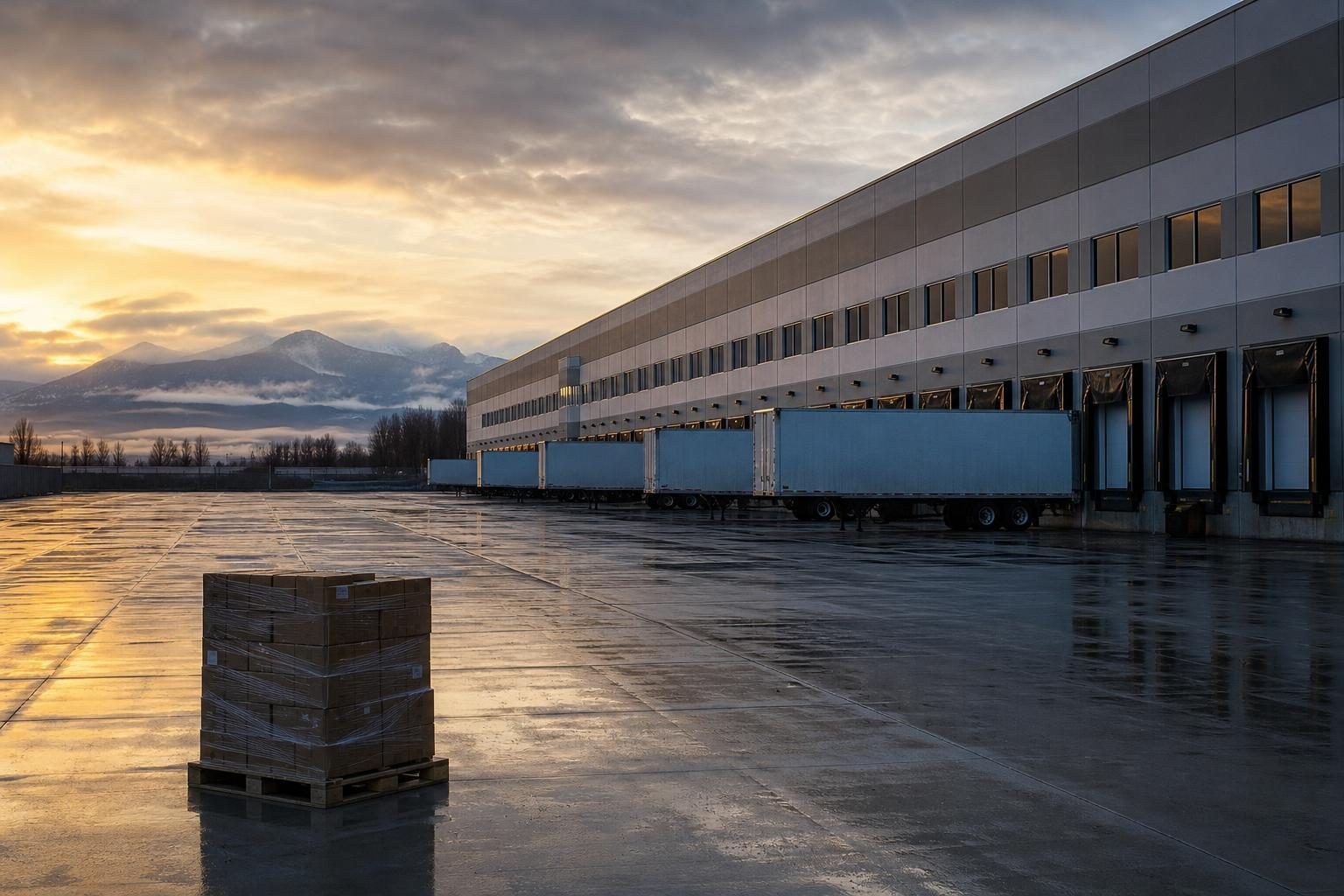
For the first time anywhere in North America, Amazon is bound by a union contract. The agreement covers workers at the company's YVR2 fulfilment centre in Delta, British Columbia, outside Vancouver, and it was not reached at the bargaining table. It was imposed through binding arbitration, Bloomberg reported Friday [1].
Unifor, the Canadian union that represents the warehouse workers, hailed the outcome as a win, describing the deal as the first union contract for Amazon workers in North America in a statement carried by the National Post [2]. For a company that has fought off union drives across the United States and Canada for years, the decision marks a significant moment, and it raises fair questions about how the contract came to be.
How a Contract Was Imposed
The road to Friday's agreement ran through British Columbia's Labour Relations Board. The board certified Unifor as the bargaining agent at the Delta site in July 2025, CTV News reported, after finding that the company had engaged in unfair labour practices that interfered with the organizing effort [3].
Bargaining stalled after that. In February, the board found that Amazon broke the province's labour code by giving scheduled pay raises to workers at most of its facilities while leaving out the unionized employees in Delta, HCAMag reported, and it ordered the raises paid retroactively [5]. Unifor said the ruling would likely mean more than $1 million in back wages [5].
In August, the board took the final step. Associate Chair Andres Barker ordered that the first collective agreement be settled through binding first-contract arbitration, according to Unifor, and veteran British Columbia arbitrator Jim Dorsey was appointed to hear both sides and decide the terms [4]. At the time, Unifor's Gavin McGarrigle said he expected the workers to have a first agreement within about three months [4]. Friday's result arrived on roughly that schedule [1].
Not Every Worker Is Cheering
The story inside the warehouse is more complicated than a simple union victory. Some Amazon workers at the site have sought a pause on the new agreement, HCAMag reported [6], part of a push by employees who want the union removed. A decertification application from those workers has been pending before the labour board [6].
That is a reasonable point, and it deserves a hearing. A union contract binds every worker in the unit, including those who would rather speak for themselves. When there is an open question about whether a majority still wants representation, giving workers a clear, secret-ballot answer first respects their freedom to choose.
At the same time, the board's findings against Amazon are part of the record. The company was found to have interfered with organizing and to have withheld raises from unionized workers [3][5]. Fair play cuts both ways: employers should not stack the deck against a union, and unions and labour boards should not stack the deck against workers who want out.
Why It Matters to Americans
Amazon is one of the largest private employers in the United States, and every union drive at its American warehouses is watched closely by both labour and business. A first contract in Canada, even one imposed by an arbitrator rather than agreed to by the company, will be studied on both sides of the border [1].
For conservatives, the episode is a reminder of how much power government-appointed boards and arbitrators can hold over private employers and their workers. First-contract arbitration means a third party, not the people who do the work or the company that pays them, ends up writing the terms. That may break a stalemate, but it also takes the decision out of the hands of those who will live with it.
What Comes Next
The immediate questions are practical. Workers and managers in Delta now have to put the agreement into practice, and the labour board still has to resolve the challenge from employees who want the union decertified [6]. How the board handles that request, and whether Amazon appeals or adjusts, will shape whether the contract becomes a lasting model or a short-lived exception [1][6].
Whatever happens next, the principle that should guide the outcome is simple. The workers in that warehouse, not distant officials or national campaigns on either side, should have the final say over who represents them.
Sources
Should towns welcome AI data centers?
- Yes, they bring jobs and tax money
- Only if they pay their own power costs
- No, they strain water and the grid
More in Business & Economy
Supreme Court Takes Up Robinhood Fight Over What IPO Filings Must Disclose
Overnight on The Verdict Room with Natalie Sinclair
Hassett Says He Is Staying as Trump's Top Economic Adviser After Report of Exit
Last night on Main Street Money with Marcus Hale

Heating Bills Set to Climb 7% This Winter, and Heating-Oil Homes Face a 70% Jump
Last night on Main Street Money with Marcus Hale
Were you there?
If you were at the scene, or this story touched your life, tell us what you saw and what it was like.
Discussion 0
Sign in or create a free account to join the discussion.
No comments yet. Start the discussion.