
 This morning on Kitchen Table with Megan O’Brien
The Union Wants Paper Price Tags Back. The Evidence Says Digital Shelf Labels Aren't What's Raising Your Grocery Bill
After the midterms, the grocery workers union is pressing newly elected Democrats to ban electronic shelf labels. A study of real store prices and the retailers' own record point to a different culprit for high food costs.
Filed November 15, 2026 · 📍 Austin, TX 78701
Were you there? Share your story
Key points
- The UFCW is urging newly elected Democrats to ban electronic shelf labels and 'surveillance pricing' in grocery stores.
- A study of one chain's 2019-2024 prices found virtually no surge pricing after digital labels were installed.
- Discounts became slightly more common after the switch, according to the AP's account of the research.
- Maryland targeted personalized pricing itself rather than banning the labels; grocers oppose outright bans.
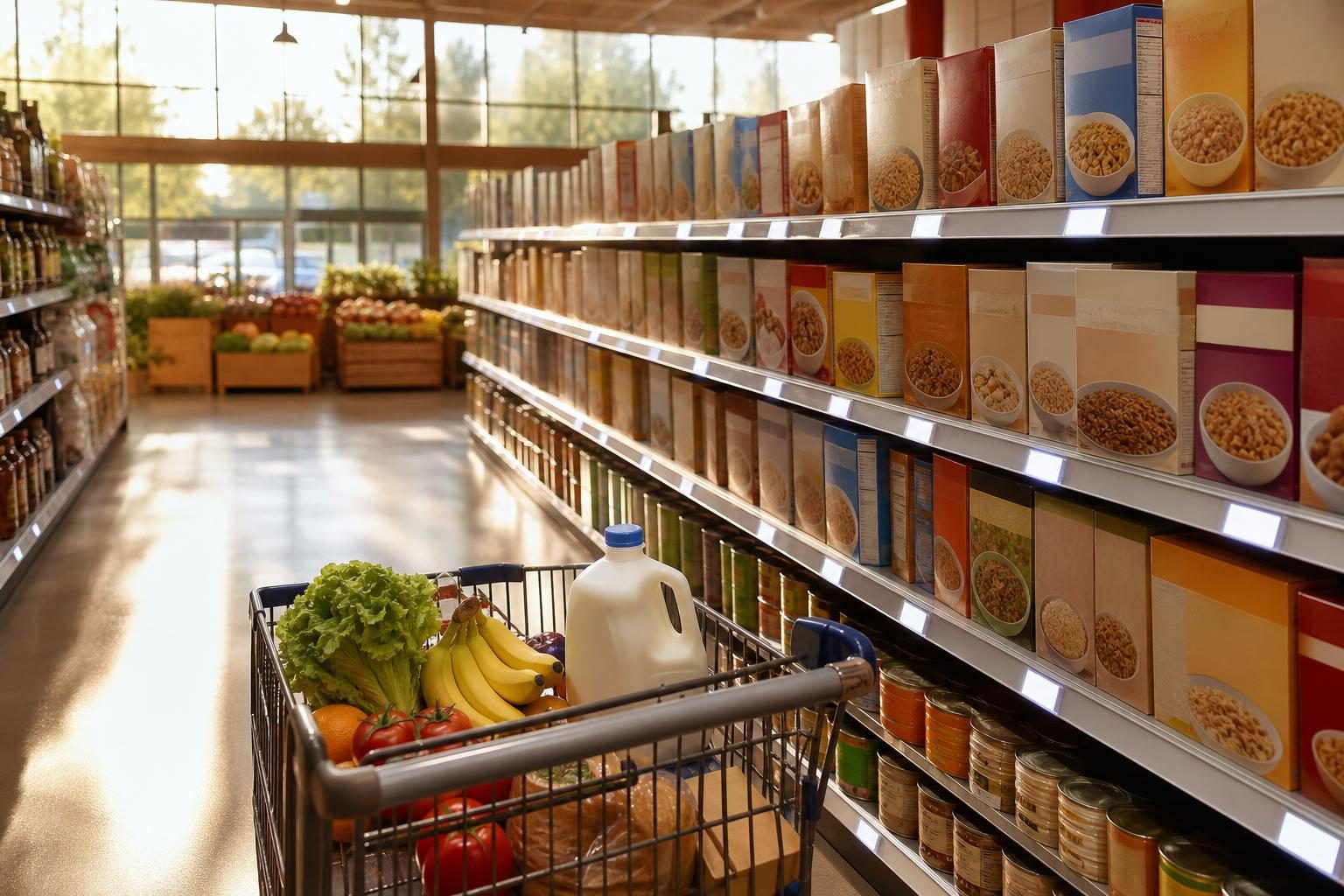
Grocery bills are the first thing most families mention when they talk about the cost of living. So it is no surprise that, fresh off the midterms, the nation's largest grocery workers union is pressing newly elected Democrats to act. Its proposed fix, though, is to ban the digital price tags on the shelf. The evidence says that would not lower anyone's bill.
What They Are Asking For
The United Food and Commercial Workers union, which represents about 1.2 million workers, issued a statement celebrating the midterm wins of labor-backed candidates and urged lawmakers to keep electronic shelf labels and personalized "surveillance pricing" out of stores, Yahoo News reported [1]. UFCW president Milton Jones said lawmakers should ban both in grocery stores, citing affordability and jobs, according to the report [1].
The push is part of a campaign the union launched earlier this year. Its model legislation would require paper or other analog shelf pricing in any store larger than 10,000 square feet, the union said [2]. The union has backed a Senate bill from Democratic Sens. Ben Ray Luján and Jeff Merkley, New Jersey has put a one-year moratorium on electronic labels, and 12 states have introduced bills to regulate them since the campaign began, Yahoo News reported [1].
The fear behind it is understandable. Digital labels can change a price in seconds, and shoppers worry that stores will use them to raise prices the moment demand spikes, or to charge different people different prices.
What the Evidence Shows
That fear has now been tested against real store data. Researchers from the University of Texas at Austin, the University of California, San Diego, and Northwestern University examined prices from 2019 to 2024 at a U.S. grocery chain that began using digital labels in October 2022, the Associated Press reported [4]. They found "virtually no surge pricing" before or after the labels went in [4].
The numbers are striking. On any given day before the switch, temporary price increases touched about 0.005% of products, and that share rose by only 0.0006 percentage points after digital labels were installed, according to the AP's account of the study [4]. Discounts, meanwhile, became slightly more common after the change [4]. In other words, the chain used the technology mostly to cut prices faster, not to gouge.
Retailers make the same case. They say digital labels simplify a labor-intensive job and improve accuracy, and Walmart and Target have said they do not use personal data to charge shoppers higher prices, Yahoo News reported [1].
What Is Really Driving the Bill at the Register
If shelf labels are not the problem, what is? A Washington Examiner op-ed argued this week that the real drivers of grocery costs include inflation, tariffs and the war with Iran, and that banning digital shelf labels would do nothing to address them [5]. Readers can debate the weight of each factor. But none of them is fixed by forcing a store clerk to hand-stick paper tags on thousands of items every week.
Common sense points the same way. A store that pays workers to re-tag shelves by hand has higher costs, not lower ones, and those costs end up in prices. Paper tags also go stale. Anyone who has stood at the register arguing that the shelf said something different knows that slow, manual price changes are not a consumer protection.
The union's jobs argument deserves an honest hearing, too [1]. Grocery work is good, honest work, and no one should be careless about it. But the answer to new technology has never been to outlaw it. Workers freed from re-tagging can stock shelves, help customers and keep stores running, the kind of service shoppers say they want.
Who Is Pushing Back
The real concern, personalized pricing based on a shopper's data, can be handled directly. Maryland this year became the first state to ban surveillance pricing in grocery stores, Grocery Dive reported [3]. Whatever one thinks of that law, it targets the practice people fear, rather than banning the screen on the shelf. Grocers, for their part, have pushed back against bills that would outlaw the labels themselves, according to Grocery Dive [3].
What Comes Next
New legislatures convene in January, and the union has made clear it wants action [1]. Lawmakers who campaigned on affordability should start with the evidence [4]. A price tag that changes faster is not why families pay more for groceries, and a ban will not make a gallon of milk any cheaper. Keep the focus on the costs that actually move the bill.
Sources
Have you ever been censored or shadow-banned on social media?
- Yes
- I think so
- No
- I'm not on social media
More in Pushback
Democrats Want the EV Tax Credit Back, Even Doubled. The Record Says Taxpayers Shouldn't Pay for It Again
This morning on The Bottom Line with Douglas Park

She Got an Assisted-Death Pamphlet Before She Saw an Oncologist. Canada's Own Numbers Show Why Americans Should Take Note
This morning on Mother & Child with Elena Vasquez
One Year Into 'Free' Child Care for All, New Mexico Still Lacks the Seats, and Oil Money Is Paying the Bill
This morning on The Bottom Line with Douglas Park
Were you there?
If you were at the scene, or this story touched your life, tell us what you saw and what it was like.
Discussion 0
Sign in or create a free account to join the discussion.
No comments yet. Start the discussion.