
 Tonight on Main Street Money with Marcus Hale
Greer: U.S. and Canada 'Fairly Close' on Trade Deal
The president's trade representative says talks with Ottawa are nearing a landing zone, but autos, steel, aluminum and Canada's opening to Chinese electric cars still stand in the way.
Filed November 22, 2026 · 📍 Washington, DC 20001
Were you there? Share your story
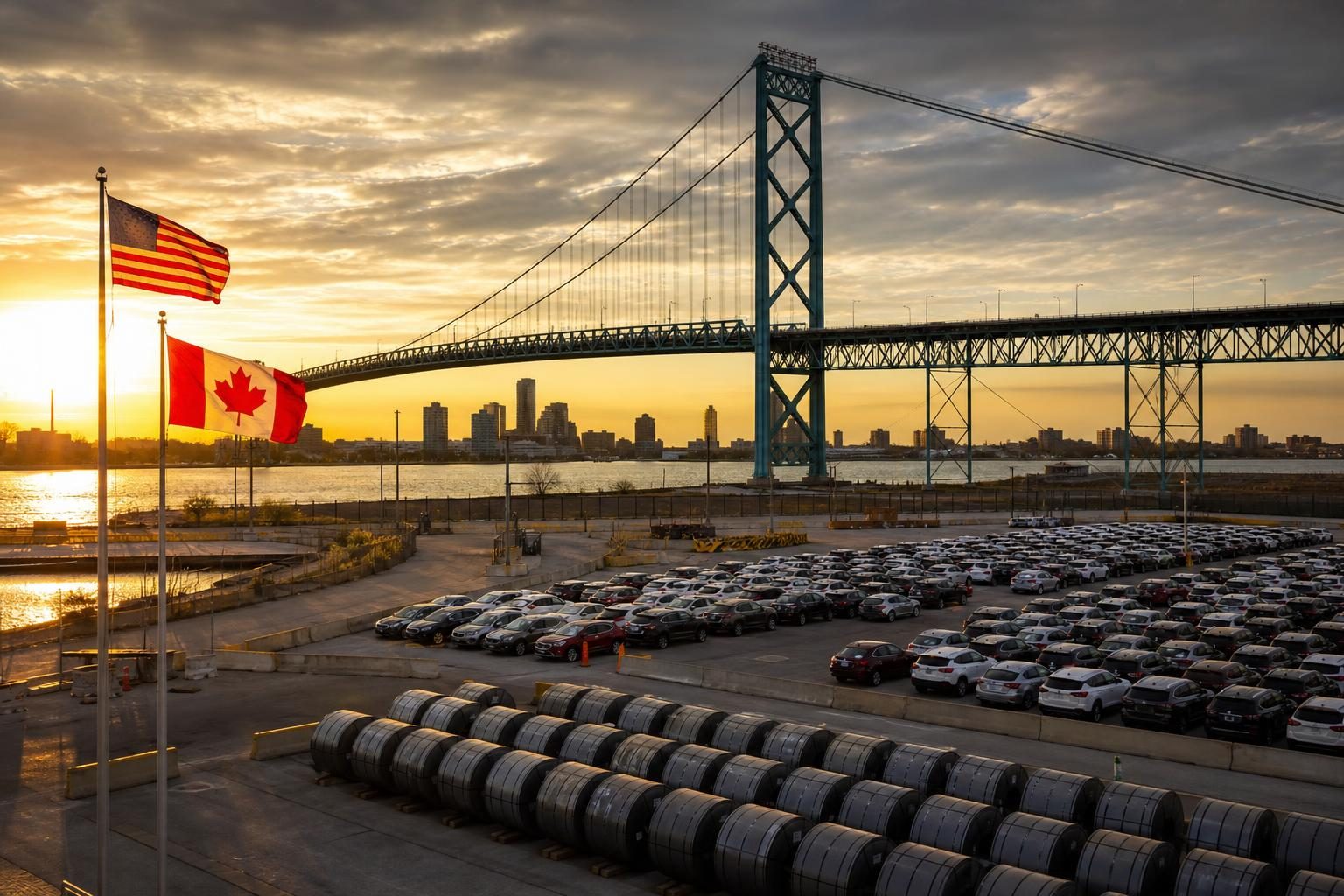
Part of our continuing coverage: Carney Says a U.S.-Canada Trade Deal Is Getting Closer, but Autos Remain the Sticking Point
Key points
- U.S. Trade Representative Jamieson Greer told Fox News on Sunday the two countries are fairly close to a deal.
- Tariffs on autos, steel and aluminum remain unresolved, according to Canadian reports.
- Greer flagged Canada's move to let 49,000 Chinese electric vehicles a year in at a lower tariff.
- Talks collapsed in August; Canadian officials say a deal could slip into January or February.
The United States and Canada are getting close to a trade agreement after months of on-again, off-again talks, U.S. Trade Representative Jamieson Greer said Sunday [1][2].
In an interview with Fox News, Greer said the two sides were fairly close to finding a landing zone and described the talks with Canadian counterparts as constructive [1][2]. He said trade between the neighbors is a more positive story than many people realize [2].
What still divides them
The hardest questions are the same ones that have dogged the talks all year. Disputes over tariffs on autos, steel and aluminum remain unsettled, CTV News reported [1], and the National Post described the goal as a tariff-relief deal [3].
Greer also raised a newer worry: Ottawa's dealings with Beijing. He pointed to Canada's decision to let 49,000 Chinese electric vehicles a year into its market at a lower tariff rate [1][2]. For Washington, that matters because a Chinese car that enters Canada cheaply sits one border crossing away from the American market.
How we got here
The talks broke down in August, when Ottawa walked away from the table. At the time, Greer told CNBC that Canada had wanted more than the United States was willing to give [4]. At one point this fall, Greer said flatly that no trade negotiations with Canada were under way, The Hill reported [6]. By mid-November the two governments were talking again; on Nov. 12, Greer said officials had spoken within the previous few days about a possible deal [5]. Sunday's remarks were his most hopeful yet.
On the Canadian side, Dominic LeBlanc, the minister handling the file, said the aim is to get the best deal for Canada as soon as possible [2]. CTV reported that Canadian officials do not treat any date as a hard deadline and have said the work could run into January or February [1]. Canada's chief negotiator, Janice Charette, said several trade issues are still keeping the two sides apart, according to CTV [1].
Why it matters
Canada is one of America's biggest customers, and the auto plants of Michigan and Ohio depend on parts that cross the border every day. A deal that keeps tariffs off fair trade, while closing the back door to subsidized Chinese cars, would protect American workers and the companies that employ them.
That is the balance the administration says it is trying to strike: open trade with a close ally, but not at the price of letting Beijing's state-backed automakers ride into North America on Canada's ticket. Greer's comments suggest the gap is narrowing. Whether Ottawa is willing to give ground on China, and whether Washington eases up on metals and autos, will decide if "close" turns into a signed agreement in the weeks ahead.
Sources
Should towns welcome AI data centers?
- Yes, they bring jobs and tax money
- Only if they pay their own power costs
- No, they strain water and the grid
More in Business & Economy

Kalshi Faces Monday Court Fight Over James' $36 Billion Suit
This morning on The Verdict Room with Natalie Sinclair
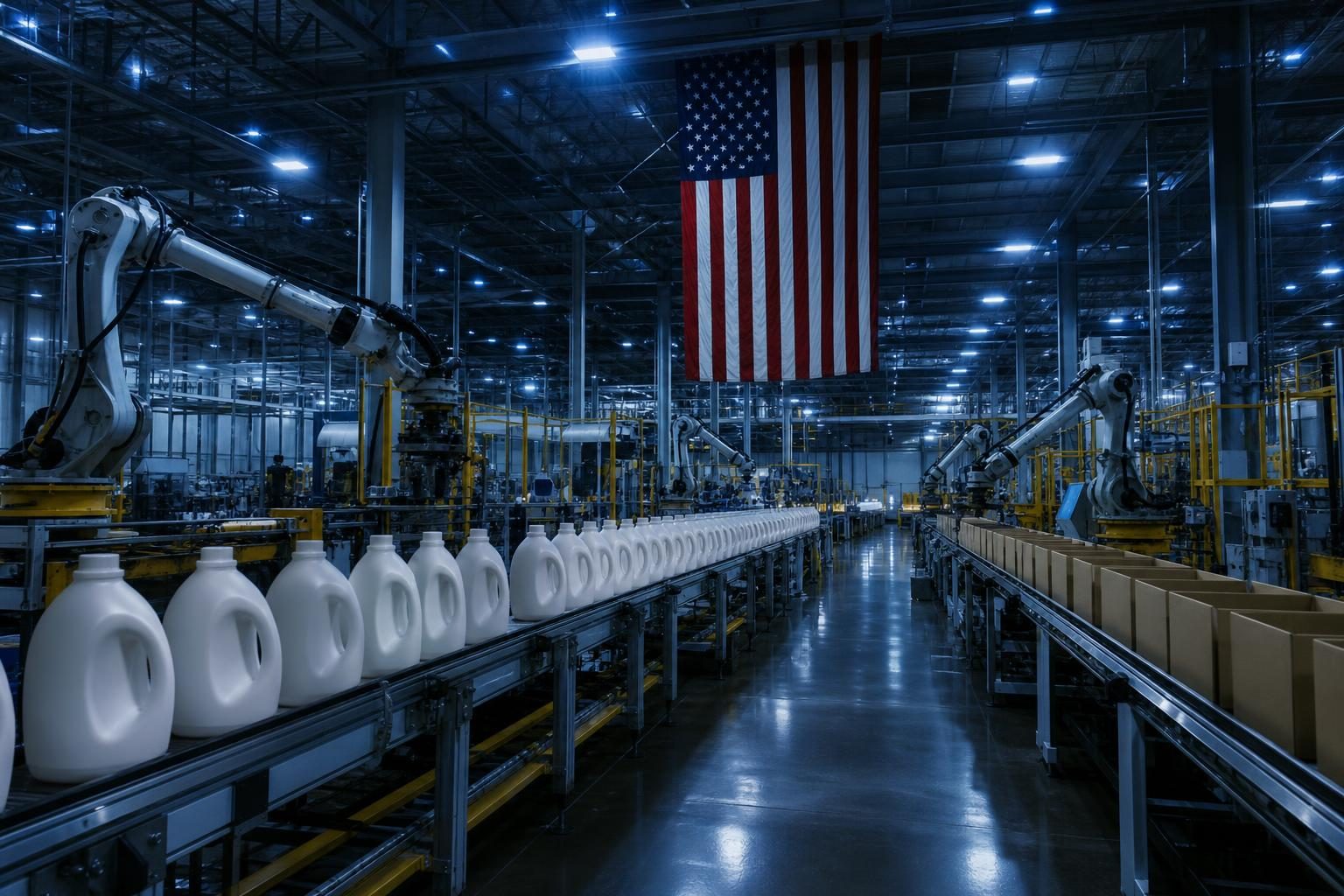
No People on the Night Shift: P&G Bets Big on Robots
This morning on Main Street Money with Marcus Hale

Degree in Hand, Job Out of Reach: Half of the Class of 2025 Is Underemployed as the Entry-Level Door Narrows
This morning on The Hart of the Economy with Evelyn Hart
Were you there?
If you were at the scene, or this story touched your life, tell us what you saw and what it was like.
Discussion 0
Sign in or create a free account to join the discussion.
No comments yet. Start the discussion.