
 Overnight on Main Street Money with Marcus Hale
Iran's Lights Go Out on a Schedule: Rolling Power Cuts Begin as Tehran Admits the Economic Squeeze Is Biting
Iran's grid operator starts two-hour outages Sunday after war damage slashed gas supplies, while a new report says President Trump favors tightening the economic noose over renewed major strikes.
Filed November 22, 2026 · 📍 Pentagon, VA 22202
Were you there? Share your story
Key points
- Iran began rolling power cuts Sunday, about two hours every two days and possibly daily as it gets colder.
- Tavanir says war damage cut about 230 million cubic meters a day of gas capacity.
- A Breitbart report says Trump favors tightening the economic squeeze over renewed major strikes.
- A Pentagon budget officer put the war's cost above $48.3 billion, DW reported.
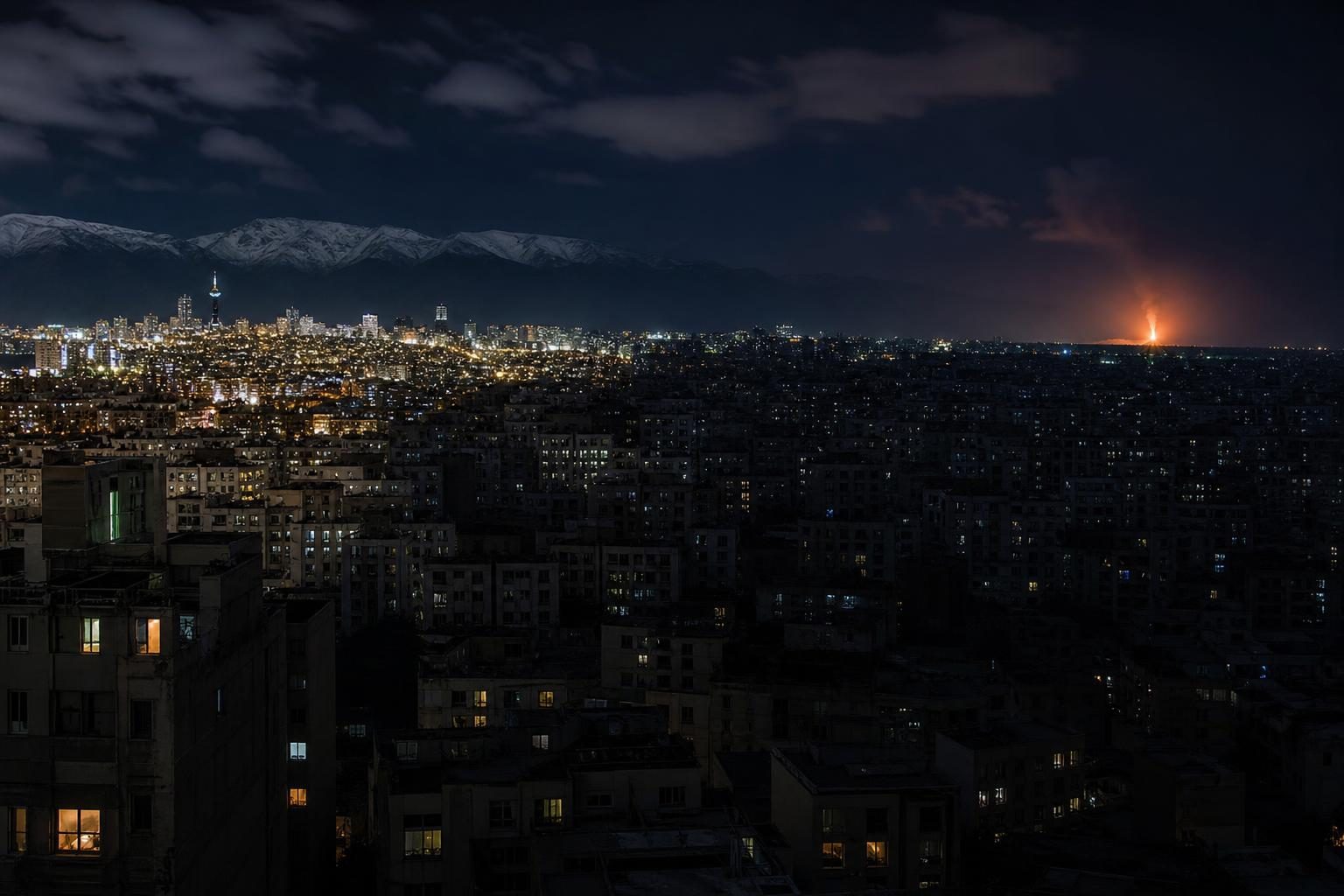
Iran began rationing electricity on Sunday, with its state grid company scheduling rolling power cuts for homes and businesses as war damage to gas infrastructure leaves power plants short of fuel, according to reports from the region [1][2].
The cuts started on the first day of the Iranian month of Azar and are expected to last around two hours every two days, or up to two hours a day depending on the area, The New Arab and The Times of India reported [1][2]. As temperatures drop and heating demand climbs, the outages may become daily, the reports said [1][2].
War Damage Meets an Old, Tired Grid
The grid operator, Tavanir, said gas production is below last year's level and that war damage to gas infrastructure cut about 230 million cubic meters a day of capacity, leaving power plants without enough fuel, The New Arab reported [1]. President Masoud Pezeshkian blamed American and Israeli strikes on the country's gas network and told Iranians, "we should therefore expect difficulties this winter," according to the ISNA news agency as cited by The New Arab [1].
The war did not create Iran's energy problems on its own. The country's aging electricity grid has suffered from years of underinvestment, partly because of decades of Western sanctions, and this season's cuts are arriving earlier than in recent years, The New Arab reported [1]. The Times of India said damage to gas facilities and earlier strikes have worsened an energy crisis that was already building [2].
Pezeshkian has been unusually blunt about the strain. According to a report from Breitbart News, he described the pressure on Iran as a "silent economic war" that could prove harder to endure than the missile war [3].
Washington's Choice: Squeeze or Strike
The power cuts come as the Trump administration weighs its next move. President Trump reportedly favors intensifying the economic campaign against Iran over renewed major military strikes, with Washington seeking to choke off the regime's remaining oil-export routes as Tehran struggles under the American blockade, Breitbart reported [3]. Limited strikes remain under consideration, the report said, and the economic approach has the backing of Secretary of State Marco Rubio, Treasury Secretary Scott Bessent and Commerce Secretary Howard Lutnick [3].
That pressure campaign builds on what the administration has called Operation Economic Outcast, an effort ABC News described as aimed at isolating Iran from its remaining trading partners [4]. Trump said this week that he wants a "permanent" deal to stop Iran from developing nuclear weapons and that regime change was never a goal, the Hindustan Times reported [5].
Why It Matters
The economics of this war cut both ways. A Pentagon budget officer said the cost of the Iran war passed $48.3 billion last week, a figure that does not include damage from Iranian attacks on U.S. bases, Deutsche Welle reported [6]. Lawmakers in both parties want more detail on that bill [6].
Seen in that light, an economic squeeze has obvious appeal. Pressure on oil exports and trade costs far less in American blood and treasure than a renewed bombing campaign, and it targets the regime's ability to fund its missiles, drones and proxies. Rolling blackouts in Tehran are a sign that the pressure is reaching the regime's foundations.
But the burden of a dark, cold winter will fall first on ordinary Iranian families, who did not choose the clerical government that led them here. American policy is strongest when it keeps that distinction clear: the goal is to change the regime's behavior and keep a nuclear weapon out of its hands, not to punish a people who did not choose their rulers. Trump's own statement that regime change was never the aim points in that direction [5].
What Comes Next
Tavanir was expected to publish a province-by-province outage timetable, and the length of the cuts will depend on how cold the winter turns [1][2]. In Washington, the question is whether the squeeze alone can bring Tehran to a lasting nuclear deal, or whether the limited strikes still on the table come back into play [3][5].
Sources
- [1]Opens in a new tab ↗
- [2]Opens in a new tab ↗
- [3]Opens in a new tab ↗
- [4]Opens in a new tab ↗
- [5]Hindustan TimesTrump seeks 'permanent' deal to block Iran's nuclear ambitions; says regime change was never a goalOpens in a new tab ↗
- [6]Deutsche WellePrice tag for US war in Iran barrels past $48 billionOpens in a new tab ↗
Israel's new parliament is sworn in. Who would you rather see lead Israel?
- Benjamin Netanyahu
- Gadi Eisenkot
- Someone new
- That's for Israelis to decide
More in World News
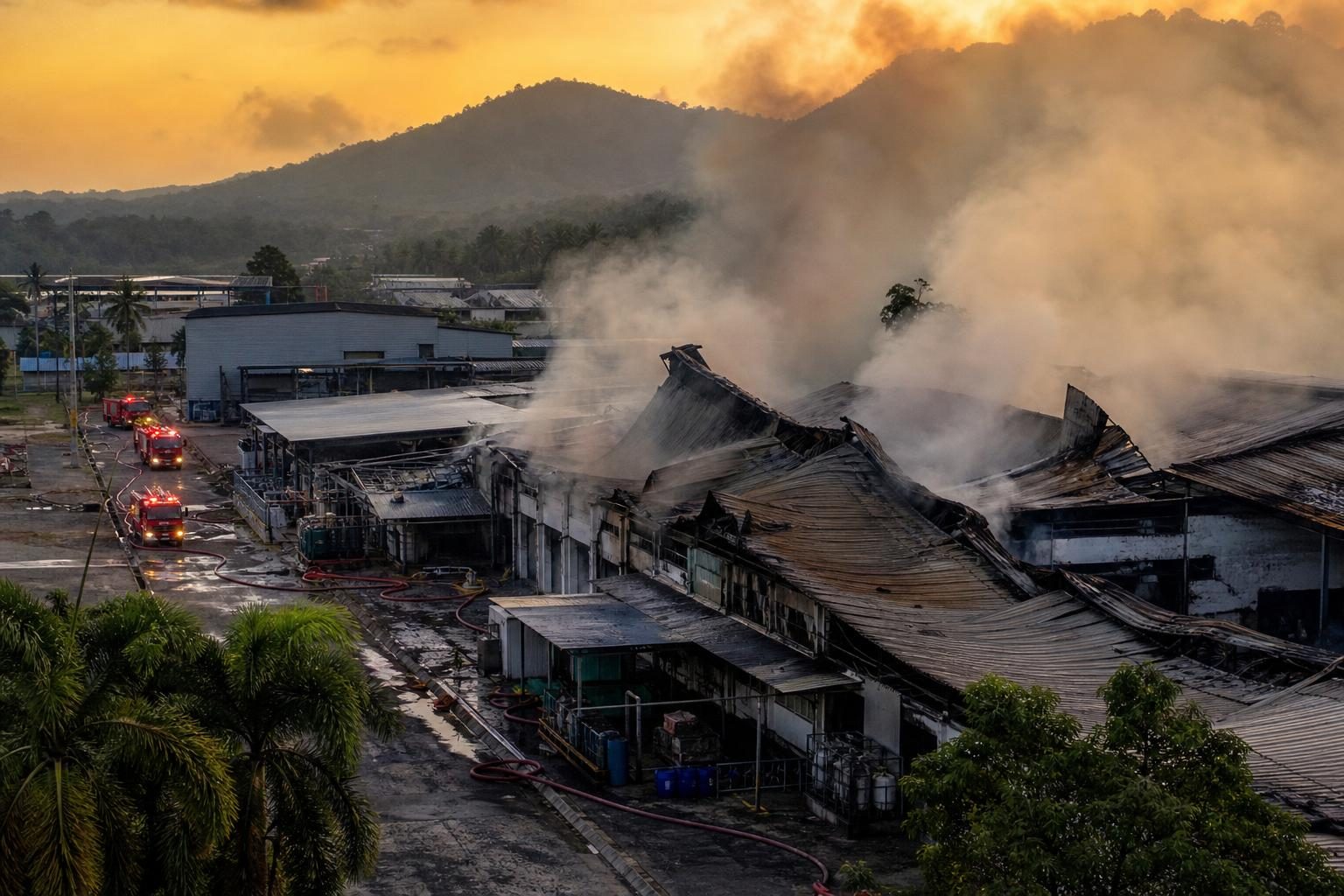
Fire Kills 3 at Indonesian Candy Factory; Dozens Still Missing
Last night on World Watch with Grace Whitfield
Eisenkot Invites Netanyahu's Likud to 'Marathon' Unity Talks. The Hard Question Is Who Would Lead
Last night on Cross-Examination with Dominic Kane
A Verdict Without a Sheriff: Myanmar Rejects the World Court's Genocide Ruling, and the Hard Question Is Who Will Make It Comply
Yesterday on Cross-Examination with Dominic Kane
Were you there?
If you were at the scene, or this story touched your life, tell us what you saw and what it was like.
Discussion 0
Sign in or create a free account to join the discussion.
No comments yet. Start the discussion.