
 Today on Cross-Examination with Dominic Kane
A Verdict Without a Sheriff: Myanmar Rejects the World Court's Genocide Ruling, and the Hard Question Is Who Will Make It Comply
The International Court of Justice found Myanmar responsible for genocide against the Rohingya by a 9-6 vote. The junta calls it unfair, China objects, and France wants the Security Council to act.
Filed November 21, 2026 · 📍 World desk · Washington, DC
Were you there? Share your story
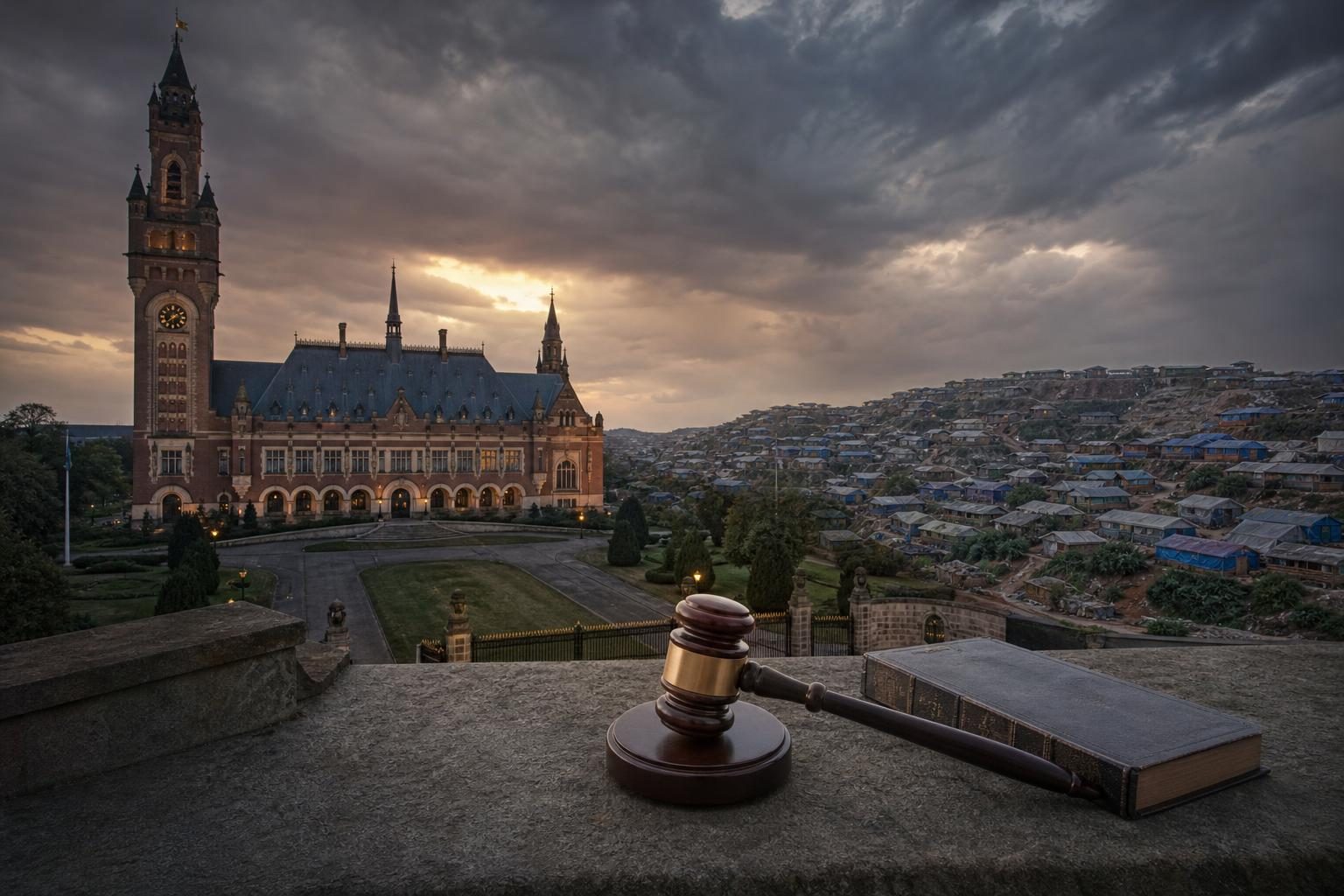
Part of our continuing coverage: First in the Court's History: The World's Highest Court Finds Myanmar Guilty of Genocide Against the Rohingya
Key points
- The ICJ ruled 9-6 on Nov. 19 that Myanmar committed genocide against the Rohingya, the first time the court has found a state responsible for genocide.
- Myanmar's military-backed government dismissed the ruling as unfair and pointed to the split vote.
- France plans to seek a U.N. Security Council meeting; the U.N. Charter obliges members to comply with the court's judgments.
- The court has no police force of its own, and any council action could run into opposition from China and Russia.
The world's highest court has spoken. The question now is whether anyone can make Myanmar listen.
On Nov. 19, the International Court of Justice ruled 9-6 that Myanmar committed genocide against its Rohingya Muslim minority, in a case brought by the West African nation of The Gambia, U.N. News and NPR reported [1][2]. It was the first time the court has found a country responsible for committing genocide, and the judgment is final, with no appeal [1][2]. This story follows our earlier report on the ruling.
The court also found that Myanmar violated its duties under the Genocide Convention to prevent and punish genocide, and it ordered the government to stop ongoing violations, including its failure to investigate and prosecute those responsible, according to U.N. News [1]. Reparations will be decided later [1].
Myanmar says no
Myanmar's military-backed government has rejected the judgment as unfair, Al Jazeera reported, with a spokesperson emphasizing that not all 15 judges agreed [3]. The government said it would need time to study the ruling and did not say it would comply [3].
The man at the top of that government knows the case well. Le Monde noted that Myanmar's president, Min Aung Hlaing, led the armed forces during the 2017 campaign against the Rohingya and was the main instigator of the massacres [5]. Survivors who spoke to The Guardian described fleeing as smoke rose over neighboring villages, the signal that their own homes would be next [6].
Who enforces a world court?
Here is the hard question the headlines skip. The ICJ's rulings are legally binding, but the court has no way to enforce them beyond reporting a country's refusal to the U.N. Security Council, Al Jazeera explained [3]. The Times of India reported that France's foreign ministry plans to seek a Security Council meeting over Myanmar's refusal, and that Article 94 of the U.N. Charter obliges every member state to comply with the court's decisions in cases to which it is a party [4].
That is where a binding judgment meets geopolitics. China has already objected to the ruling, Al Jazeera reported, and the council was set to discuss the matter behind closed doors [3]. China and Russia both hold vetoes on the council, and with Beijing already objecting, a resolution with real teeth faces long odds.
So what is a ruling worth if it cannot be enforced? More than nothing. It is a permanent legal finding that will follow Myanmar's rulers into every negotiation, sanctions debate and courtroom for years. It gives governments that want to pressure the junta a firm foundation. And it tells the Rohingya, who have spent years in refugee camps, that the world's highest court has heard them.
What it means for America
For Americans, the ruling raises a fair question about the limits of international institutions. The ICJ can declare the truth; it cannot act on it. Real consequences for Myanmar's generals will come, if they come at all, from nations willing to use their own tools: targeted sanctions, restrictions on arms and money, and diplomatic pressure on Beijing. That is a reminder that sovereign nations, not global bodies, still do the heavy lifting of justice in the world.
The 9-6 vote is also worth noticing [1][2]. Even with the extensive evidence gathered about 2017, six judges did not join the genocide finding. That split shows how demanding the court's standard for proving genocidal intent remains, and it should caution activists who are quick to apply the word to other conflicts before any court has weighed the evidence.
Why it matters to people of faith
Christians believe every human being bears the image of God, whatever their faith, ethnicity or nationality. The Rohingya are a Muslim minority, and the defense of their dignity is a test of whether religious liberty means liberty for everyone or only for some. Believers who pray for persecuted Christians around the world have every reason to stand with Rohingya families too. Persecution of one minority rarely stops at one.
What comes next
All eyes now turn to the Security Council and to whether France and other members can build pressure despite opposition from Beijing [3][4]. Myanmar will also face the court's demands on reparations in the months ahead [1]. The Rohingya have waited nearly a decade for this verdict. Whether it brings them anything more than words will depend on what free nations are willing to do next.
Sources
Israel's new parliament is sworn in. Who would you rather see lead Israel?
- Benjamin Netanyahu
- Gadi Eisenkot
- Someone new
- That's for Israelis to decide
More in World News
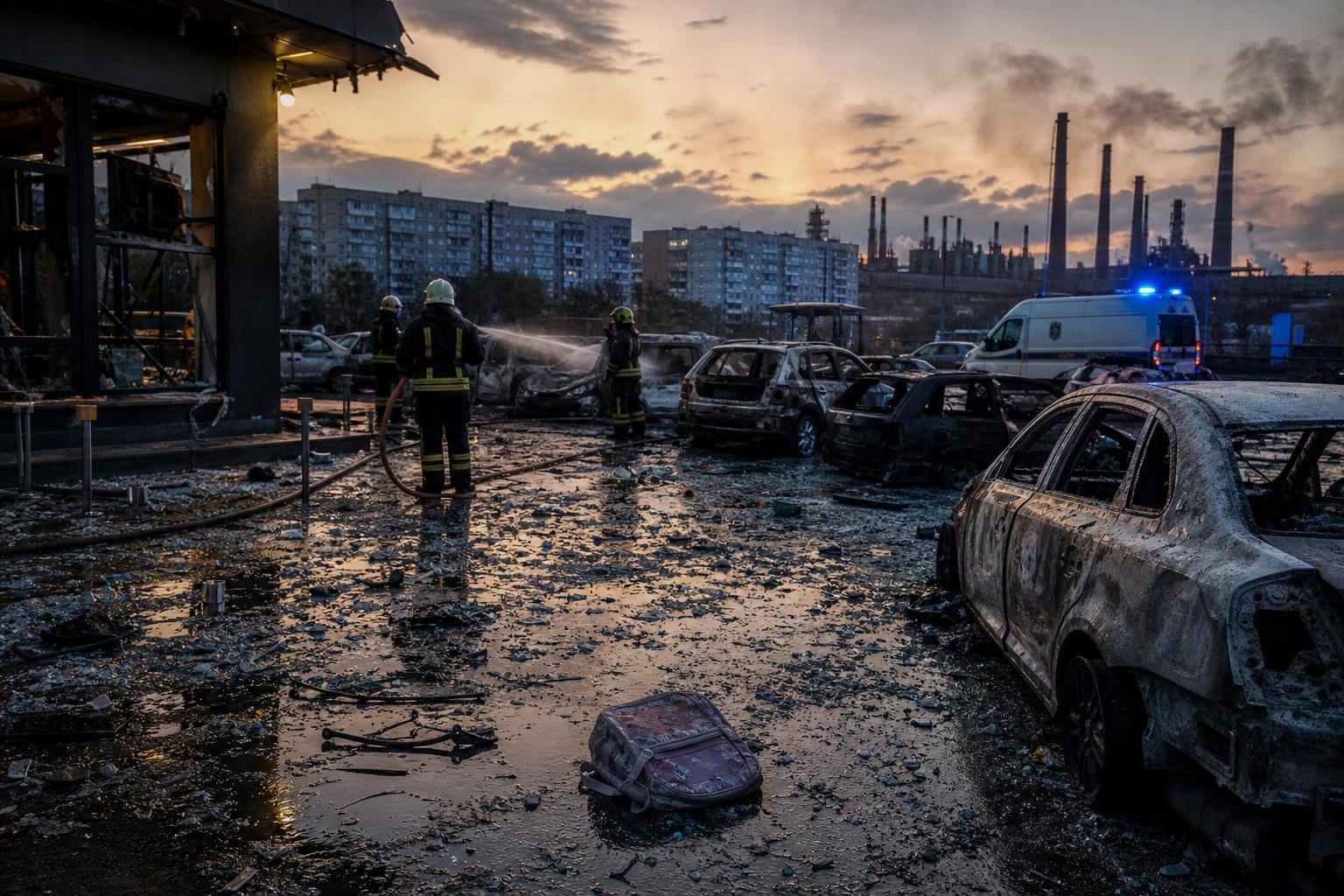
Russian Strike on Zelensky's Hometown Kills 7-Year-Old Boy, Wounds Dozens
Today on World Watch with Grace Whitfield
Bolsonaro Moved to Intensive Care With an Intestinal Blockage; Hospital Says He Is Stable and Breathing on His Own
Today on World Watch with Grace Whitfield
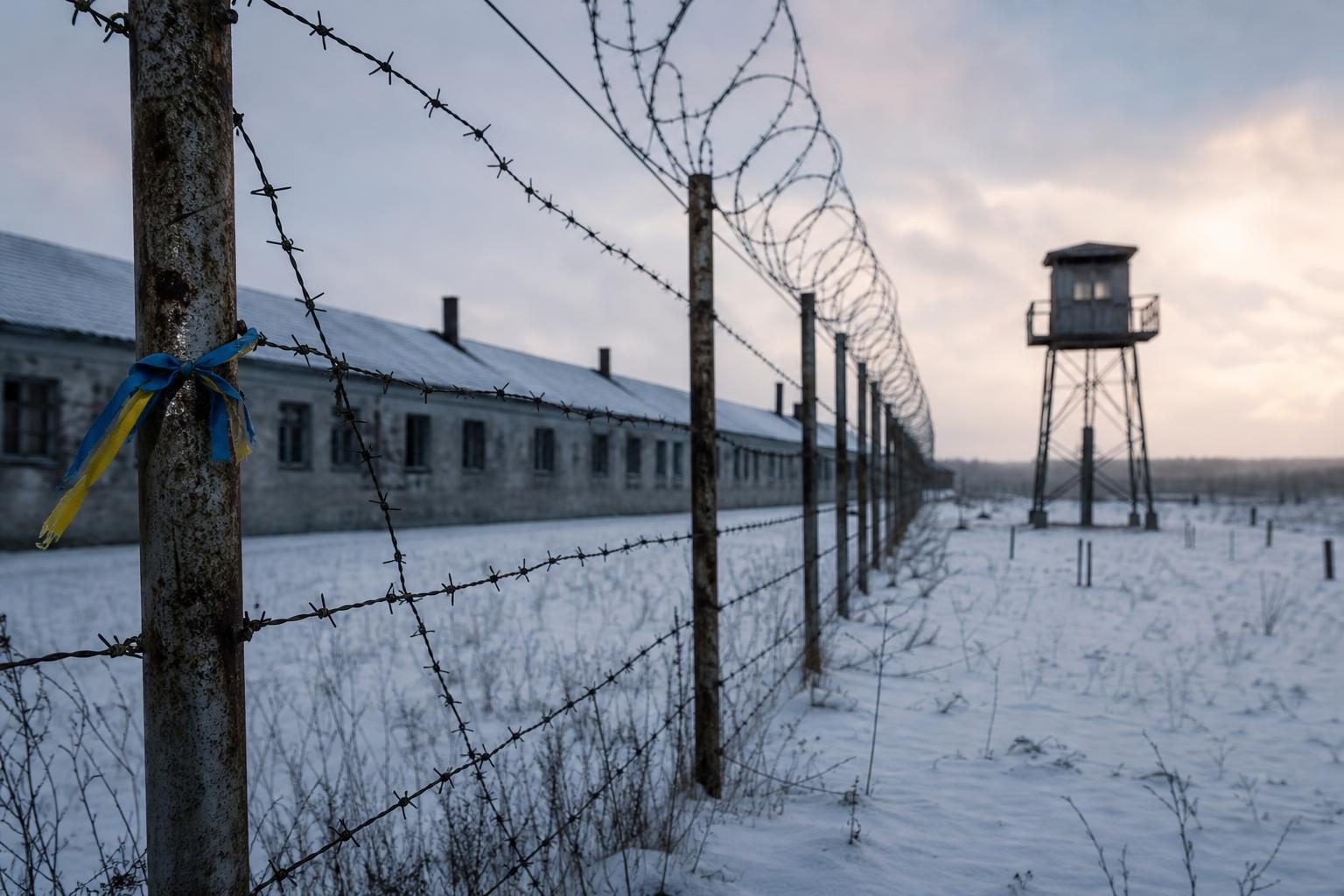
Ukrainian POWs Describe Organized Abuse at Russian Prison
Today on World Watch with Grace Whitfield
Were you there?
If you were at the scene, or this story touched your life, tell us what you saw and what it was like.
Discussion 0
Sign in or create a free account to join the discussion.
No comments yet. Start the discussion.