
 Sunday night on Launch Pad with Hannah Lindgren
Lost 10 Minutes Up: ULA's Vulcan Fails on Its Comeback Flight, Taking 40 Amazon Leo Satellites With It
The first outright failure for United Launch Alliance sends engineers hunting for answers, sets back Amazon's race with Starlink and raises fresh questions about America's ride to orbit.
Filed November 15, 2026 · 📍 Tallahassee, FL 32301
Were you there? Share your story
Key points
- ULA's Vulcan suffered an anomaly about 10 minutes after liftoff Sunday and lost all 40 Amazon Leo satellites.
- CBS News called it the first outright failure for United Launch Alliance; no cause has been identified.
- It was Vulcan's first flight since a February booster problem that paused its national security missions.
- The flight was the first of 38 Vulcan launches Amazon bought as it races Starlink and an FCC deadline.
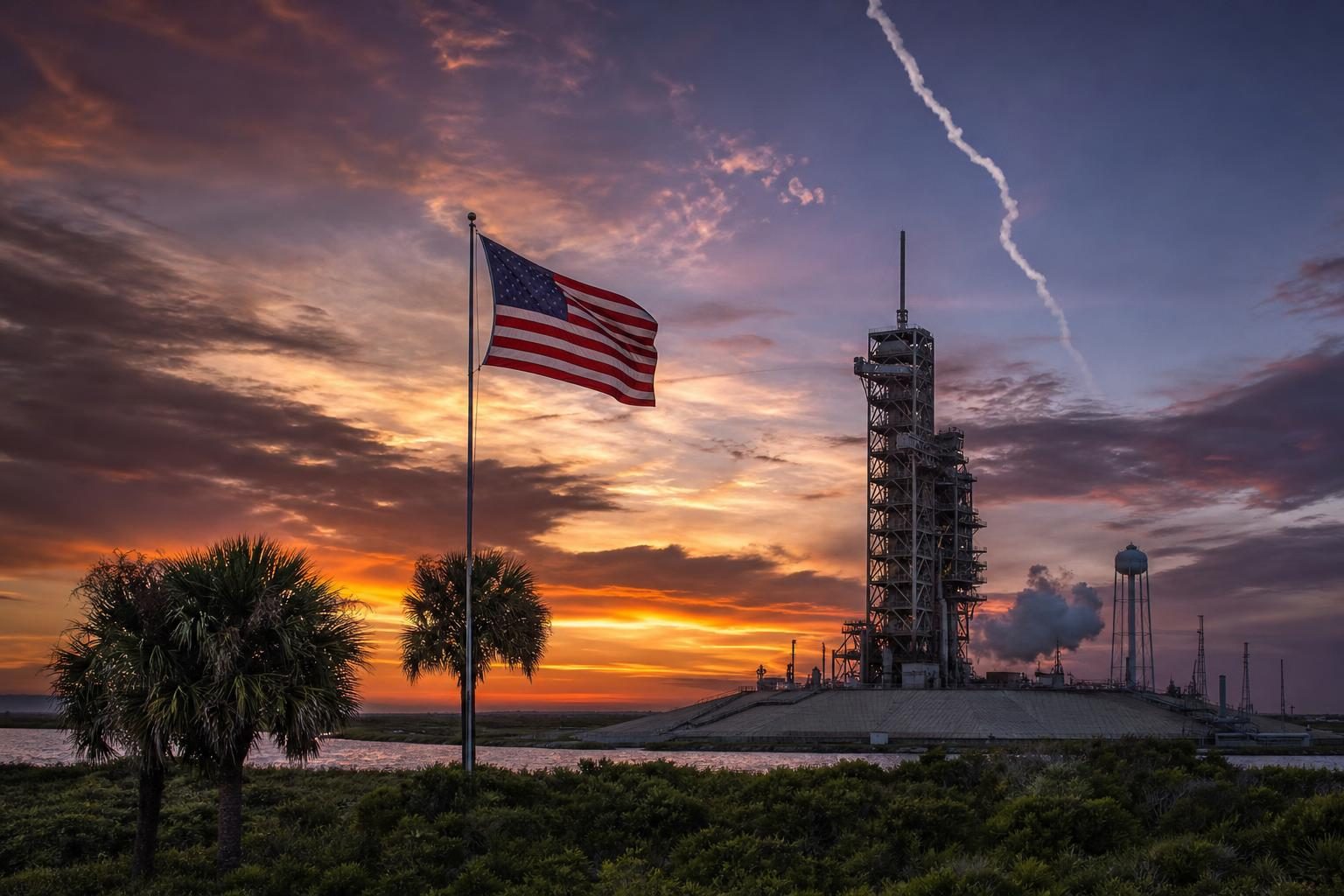
United Launch Alliance's Vulcan rocket failed Sunday on what was meant to be its comeback flight, losing all 40 Amazon Leo internet satellites on board after an anomaly roughly 10 minutes after liftoff from Florida, CBS News and Space.com reported [1][3].
CBS News called it the first outright failure for United Launch Alliance and a major setback for the commercial launch industry [1]. Bloomberg described it as the company's first total mission loss [2]. For a company whose reputation has long rested on reliability, that is a painful milestone.
What Went Wrong, and What We Know
The rocket lifted off from Space Launch Complex 41 at Cape Canaveral Space Force Station carrying the first Amazon satellites ever assigned to a Vulcan [3]. About 10 minutes into the flight, ULA reported an anomaly, and the rocket failed to deliver its payload to low Earth orbit [1][3].
In its first statement, ULA said it did not yet have the specific data needed to understand what happened [3]. The company acknowledged that the flight fell short of its own standard for mission success and said it would work with Amazon and others to find the cause and return to flight as quickly as possible [1][3]. As of Sunday evening, no cause had been identified.
Amazon answered with patience rather than blame. Its Leo program said every launch carries risk, especially first missions, and that it expects ULA to learn from what happened and deliver on its long-term plans for Vulcan [3].
A Comeback Nine Months in the Making
Sunday's mission was Vulcan's first flight since February [2][3]. On Feb. 12, during the USSF-87 national security launch, one of the rocket's four Northrop Grumman-built GEM 63XL solid rocket boosters suffered what appeared to be a burn-through of its nozzle less than 30 seconds after liftoff, Spaceflight Now reported [4]. The rocket still delivered its Space Force payload to the intended orbit [4]. But it was the second booster problem of its kind, following a similar anomaly on Vulcan's second certification flight in October 2024 [4].
After February, the Space Force stopped using Vulcan for National Security Space Launch missions while the booster problem was investigated, Satellite Today reported [5]. ULA and Northrop Grumman worked on nozzle design improvements, and Sunday's flight was supposed to show that the rocket was ready to get back to work [3][4].
The new failure struck about 10 minutes into the flight, and ULA has not said whether it has any connection to the earlier booster trouble [3]. Investigators will have to answer that question before anyone can say how long Vulcan will be on the ground.
Why It Matters
For Amazon, the loss stings. Sunday's flight was the first of 38 Vulcan launches the company has purchased for its Leo broadband network [2][3], which Bloomberg described as Amazon's bid to challenge Elon Musk's dominant Starlink service [2].
Amazon is also racing a federal clock. Its license called for 1,616 satellites, half of its planned constellation, to be in orbit by July 30, 2026, and in June the Federal Communications Commission granted the company a limited waiver of that requirement after Amazon pointed to a shortage of available rockets, Payload reported [6]. Forty satellites lost in a single stroke makes that climb steeper, and it could mean a longer wait for families hoping for another choice in satellite internet.
For the country, the stakes reach well beyond home internet. Vulcan is one of the rockets the Space Force counts on to put national security satellites into orbit [5], and a nation that intends to lead in space should never have to lean on a single launch provider. Competition among American rocket builders has been one of the great success stories of this century, and keeping that competition healthy means getting Vulcan flying again, safely and soon.
What Comes Next
ULA will lead the investigation with Amazon's help [1][3]. Neither company has announced a new launch date, and Amazon will have to wait for ULA's findings before it flies on Vulcan again, Bloomberg reported [2].
Rocketry has always been unforgiving, and some of America's proudest moments in space came after hard failures that engineers studied, fixed and learned from. The men and women on the Space Coast have earned the time to find the answer. We will report what they find.
Sources
Do you trust scientific experts more or less than five years ago?
- More
- Less
- About the same
More in Science & Space
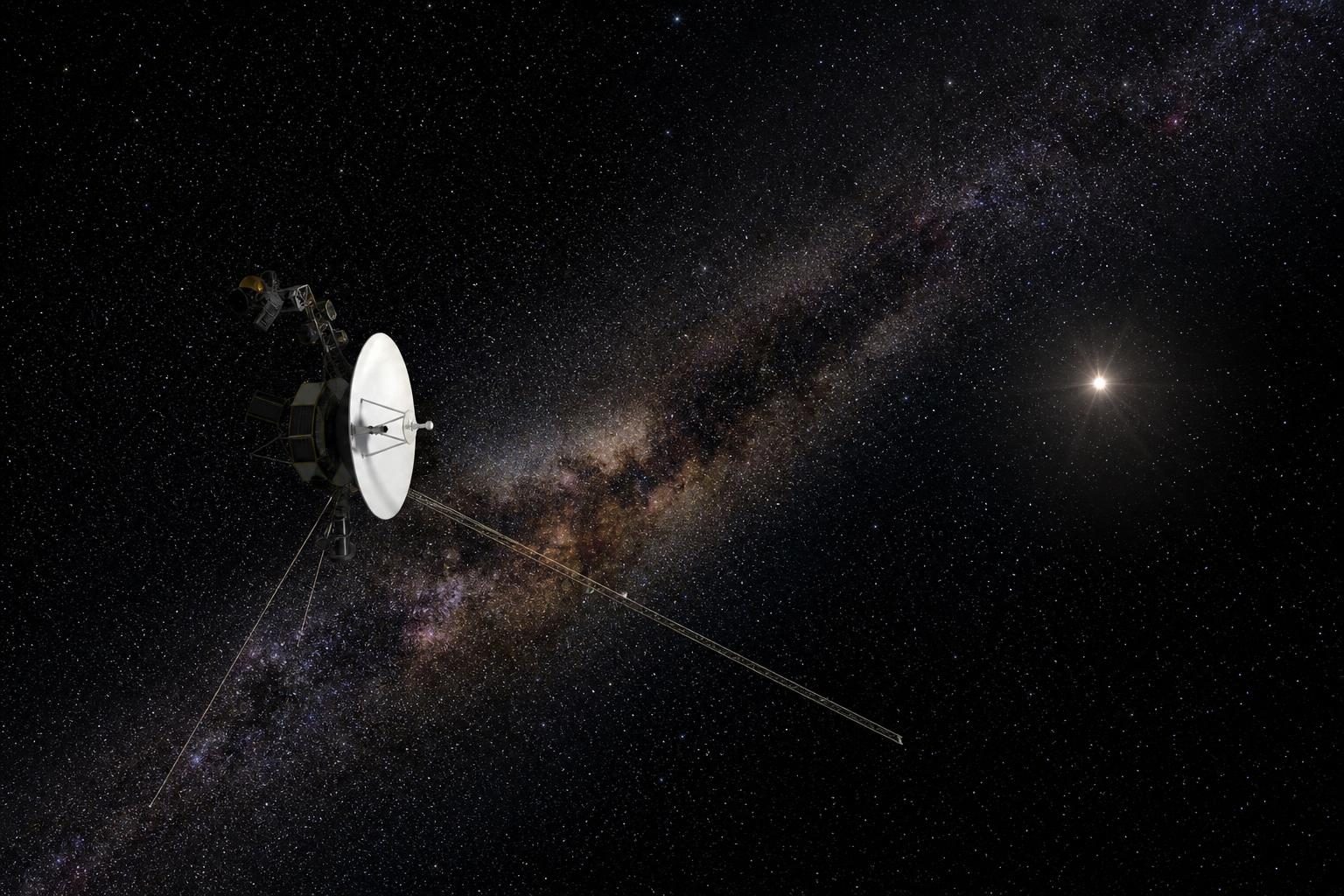
One Light-Day From Home: Voyager 1, Launched in 1977, Becomes the First Human-Made Object So Far From Earth
This morning on Launch Pad with Hannah Lindgren
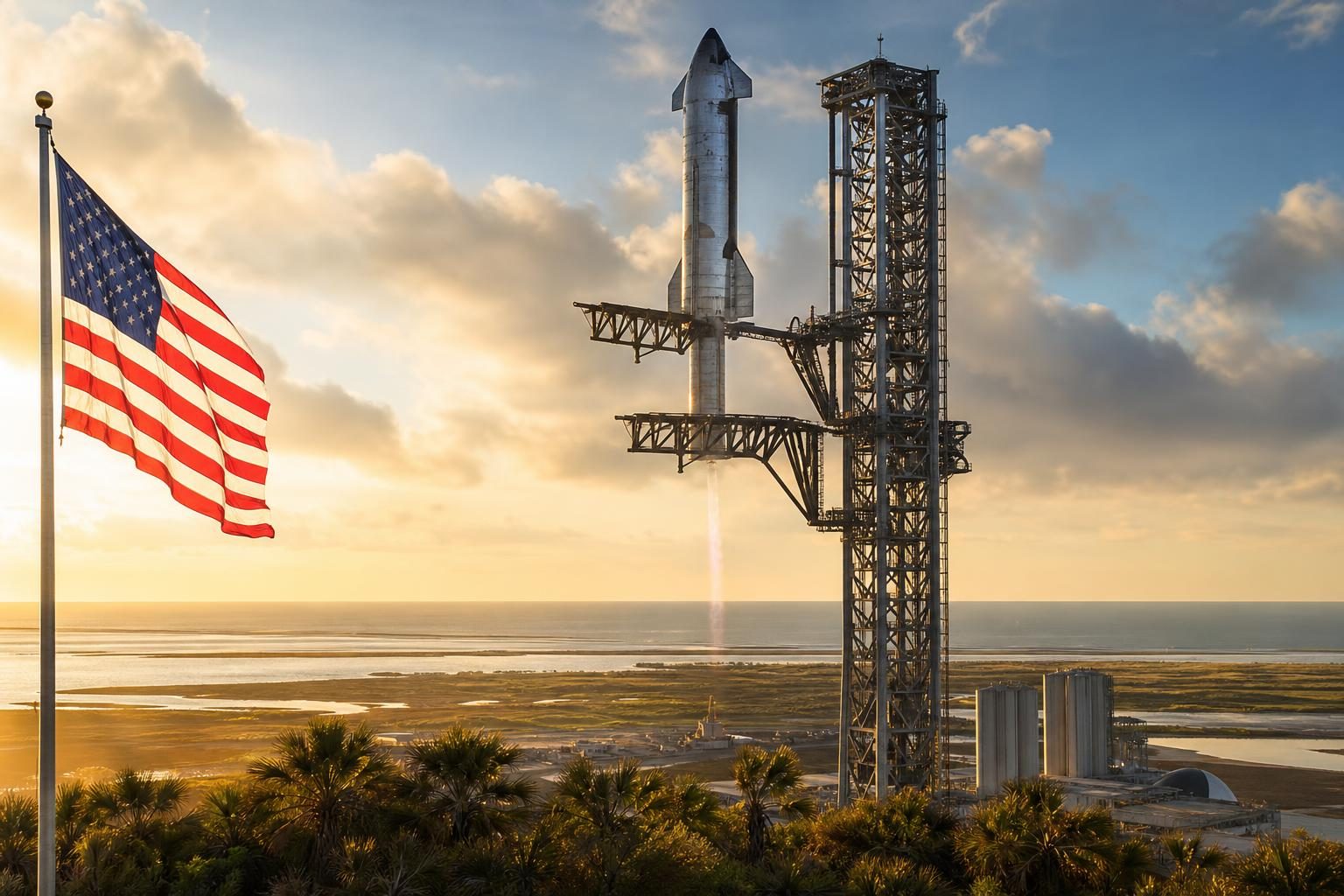
Caught Coming Home From Orbit: SpaceX Snags Starship in the Tower's Arms, a First in Spaceflight
Saturday night on Launch Pad with Hannah Lindgren
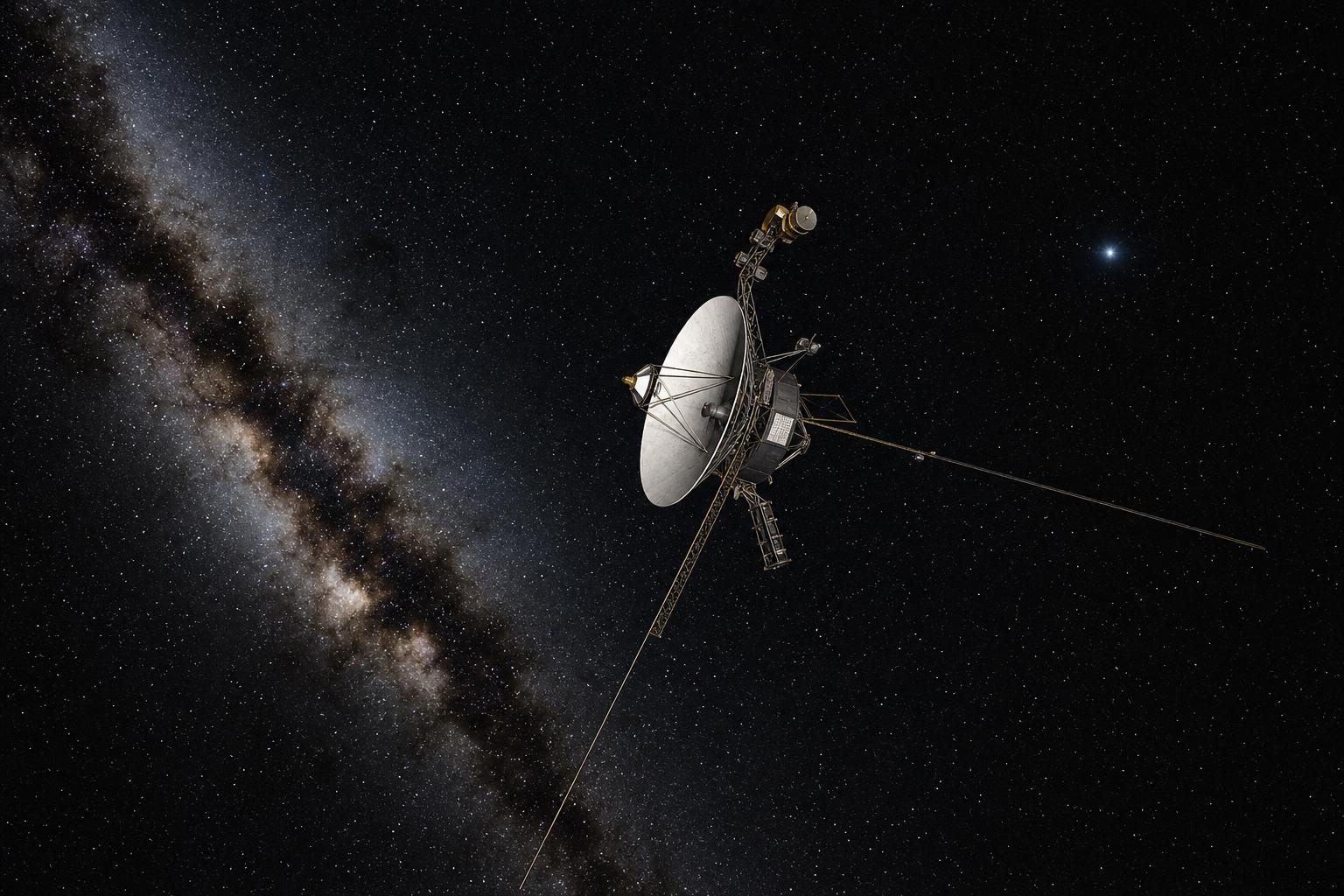
Voyager 1 Nears One Light-Day From Earth, a First for Humanity
On Saturday on Launch Pad with Hannah Lindgren
Were you there?
If you were at the scene, or this story touched your life, tell us what you saw and what it was like.
Discussion 0
Sign in or create a free account to join the discussion.
No comments yet. Start the discussion.