
 Yesterday on The Hart of the Economy with Evelyn Hart
Bank of Canada's Tiff Macklem Will Step Down in June, Opening a Race That Prime Minister Carney Will Settle
The governor who steered Canada through the pandemic and a trade war with Washington will not seek a second term. The pick of his successor matters on both sides of America's longest border.
Filed November 17, 2026 · 📍 Washington, DC 20001
Were you there? Share your story
Key points
- Bank of Canada Governor Tiff Macklem will not seek a second term; his seven-year term ends June 2, 2027.
- A search committee of the bank's independent directors expects to choose a successor by spring 2027, subject to government approval.
- Prime Minister Mark Carney, a former governor himself, and Finance Minister Francois-Philippe Champagne will have the final say.
- Names floated include Senior Deputy Governor Carolyn Rogers, former deputy Carolyn Wilkins, RBC economist Frances Donald and deputy governor Nicolas Vincent.
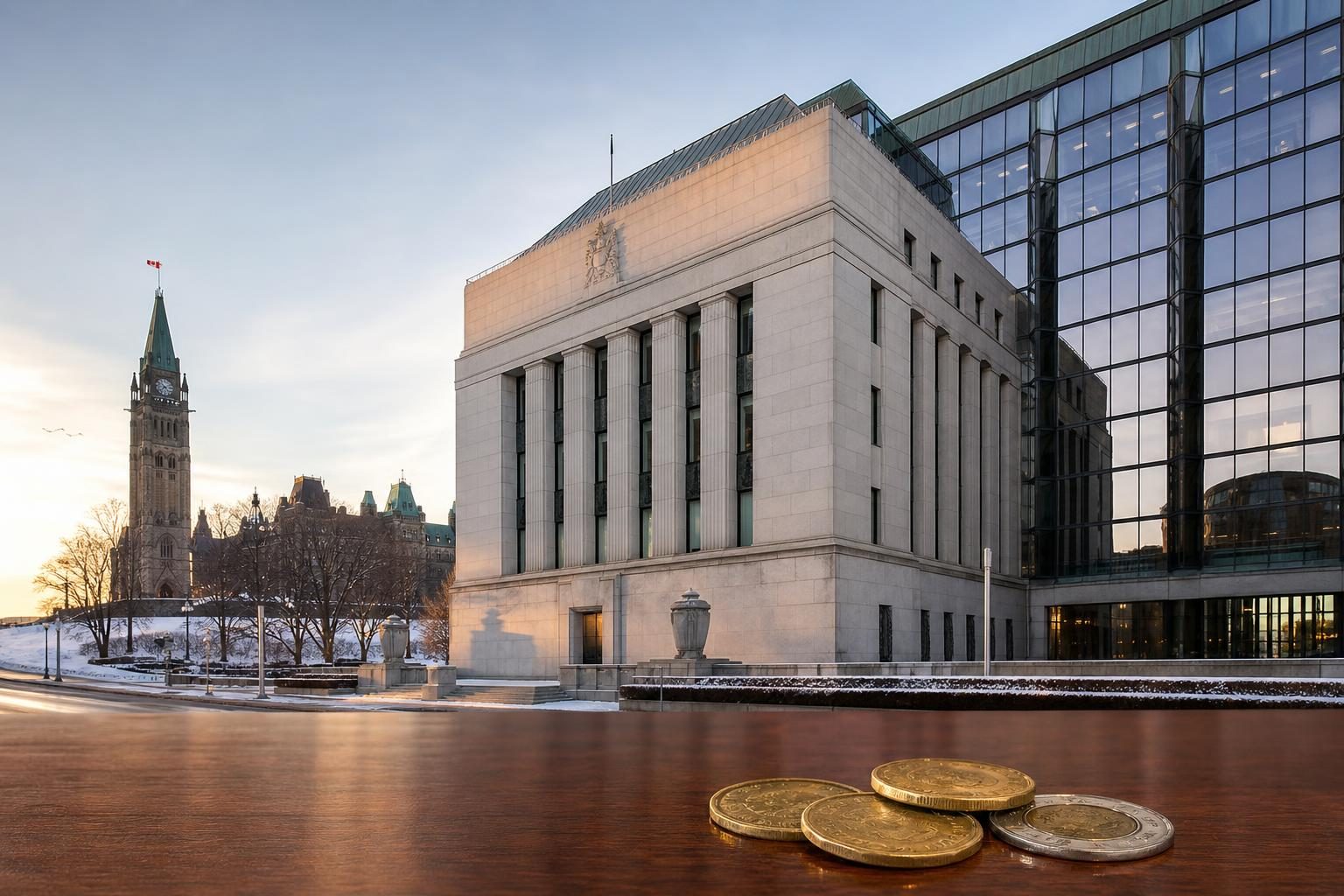
Tiff Macklem announced Monday that he will step down as governor of the Bank of Canada when his term ends next year, starting a succession race for one of the most powerful economic posts in North America, BNN Bloomberg reported [1]. Macklem will not seek a second term, and his seven-year term ends on June 2, 2027, CBC News reported [2].
The bank said a search committee made up of its independent directors, working with the executive search firm Egon Zehnder, expects to select a successor by spring 2027, CBC reported [2]. That choice must be approved by the finance minister and the federal cabinet [2].
Who Decides
Formally, the bank's board makes the pick. In practice, the decision rests with Prime Minister Mark Carney, himself a former governor of the bank, and Finance Minister Francois-Philippe Champagne, CBC reported [2]. Champagne publicly thanked Macklem for his service after the announcement, Yahoo News Canada reported [6].
The next governor will begin a seven-year term on June 3, 2027 [2]. That means the person chosen next spring will shape Canadian interest rates well into the 2030s.
The Contenders
The bank did not name any candidates, but Canadian media and economists were quick to float names. CTV News listed Senior Deputy Governor Carolyn Rogers, former Senior Deputy Governor Carolyn Wilkins, Royal Bank of Canada chief economist Frances Donald and Deputy Governor Nicolas Vincent among the possible contenders [3]. Rogers was considered a leading candidate the last time the job was open, before Macklem won it, CTV reported [3]. Bloomberg reported that Paul Beaudry, a former deputy governor, is weighing whether to apply [5]. As senior deputy governor, Rogers is already the bank's second-ranking official, which gives her an inside track on continuity, while an outsider such as Donald would bring a private-sector economist's view to the job.
Macklem's Record
Macklem's tenure was defined by crisis. The Toronto Sun noted that he guided Canada's economy through the fallout of the COVID-19 pandemic and through the trade war with the United States [4].
His handling of the surge in prices that followed the pandemic, when central banks across the West were caught behind the curve and then raised rates hard, will be weighed in the debate over what kind of governor Canada needs next. Families in both countries felt that squeeze at the grocery store and in their mortgage payments, and they will want a successor who keeps inflation from getting away again.
Why It Matters to Americans
Canada is one of America's largest trading partners, and the two economies are tied together by autos, energy, farm goods and millions of daily border crossings. Decisions in Ottawa on interest rates move the Canadian dollar, which affects the price of everything from Canadian lumber in American homes to the cost of a vacation for Canadians visiting Florida and Arizona.
The timing also matters. Carney's government is negotiating with the Trump administration over trade, and the prime minister has said a deal is getting closer, with autos the main sticking point, as we reported recently. A new central bank governor will take office in the middle of whatever new trading arrangement emerges.
For conservatives, the deeper principle is central bank independence and sound money. A governor should be chosen for discipline on inflation, not for loyalty to the government of the day. Families on both sides of the border have learned in the past five years how much it costs when central bankers lose control of prices. Whoever follows Macklem should be measured by one standard above all: keeping the currency stable so that a paycheck buys tomorrow what it buys today.
What Comes Next
The search committee will begin its work now, with a decision expected by spring [2]. Macklem will continue to lead the bank's rate decisions until his term ends in June [1][2]. Until then, the bank's regular rate announcements continue, and markets will read each one for clues about how Macklem plans to hand off. Watch for formal applications and for any signal from Carney and Champagne about the qualities they want in the next governor.
Sources
Should towns welcome AI data centers?
- Yes, they bring jobs and tax money
- Only if they pay their own power costs
- No, they strain water and the grid
More in Business & Economy

Shoppers Come Back to Target: The Best Sales Growth in Five Years, a Raised Outlook and Tariff Refunds Behind Part of the Profit
This morning on Kitchen Table with Megan O’Brien

Trump Sets a 10-Month Goal to Catch China on Rare Earths. Here's Where America Stands and What It Will Take
Overnight on Main Street Money with Marcus Hale

Trump and Thailand Sign a Trade Statement in Manila, With Zero Tariffs on American Goods and New Sales for U.S. Farmers in View
Last night on Main Street Money with Marcus Hale
Were you there?
If you were at the scene, or this story touched your life, tell us what you saw and what it was like.
Discussion 0
Sign in or create a free account to join the discussion.
No comments yet. Start the discussion.