
 This morning on World Watch with Grace Whitfield
Tear Gas as Bangladesh Wage Revolt Shuts Factories
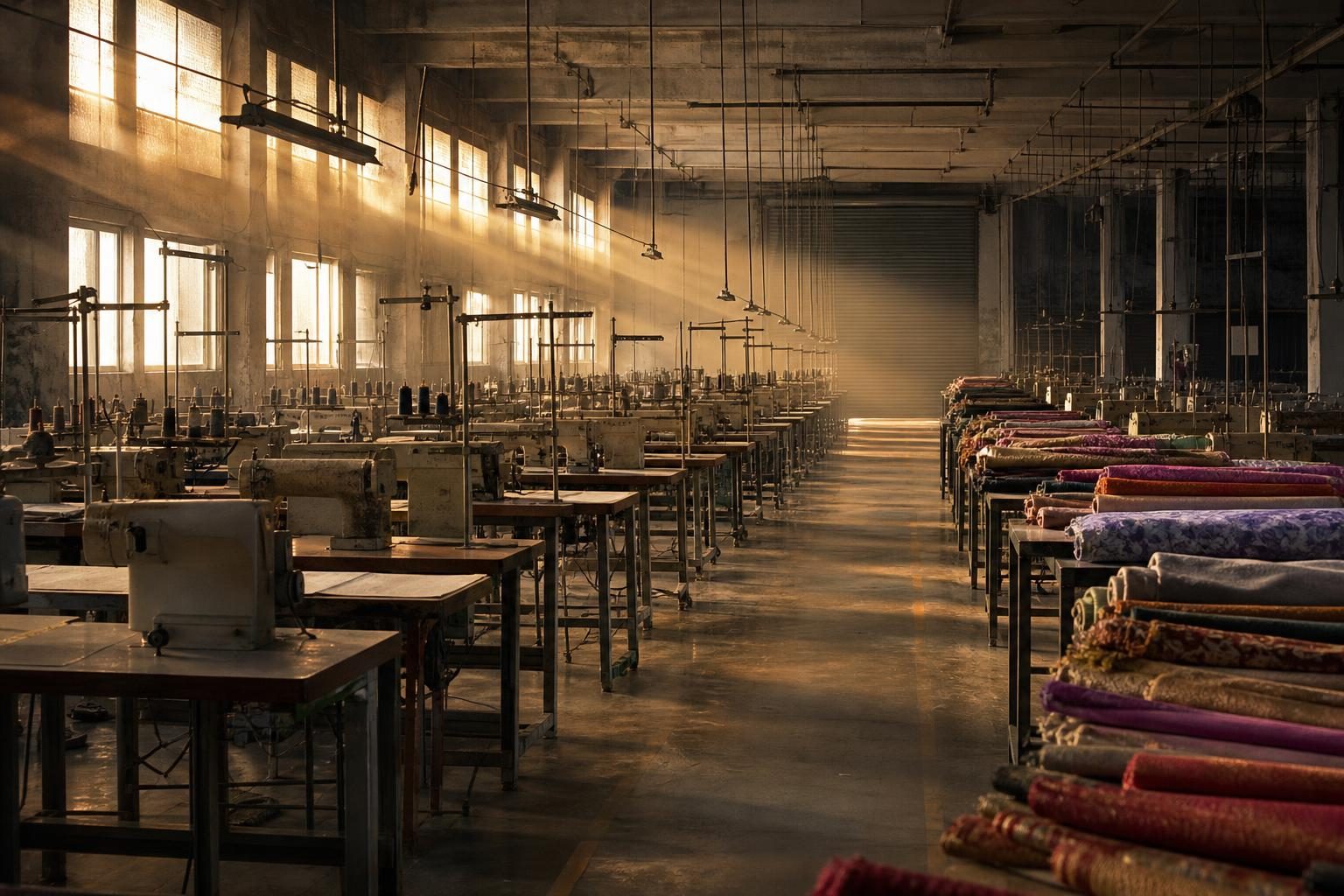
Garment workers demanding a minimum wage of about $241 a month blocked roads near Dhaka, and exporters say weeks of unrest have cost $428 million in lost production.
Filed November 24, 2026 · 📍 World desk · Washington, DC
Were you there? Share your story
Key points
- Police fired tear gas and sound grenades as garment workers blocked roads near Dhaka.
- Workers want the monthly minimum wage raised from 12,500 to 30,000 taka, about $241.
- Exporters say 18 days of unrest cost 317 factories about $428 million.
- Buyers have shifted roughly $254 million in orders to rival countries.
Police in Bangladesh fired tear gas and sound grenades on Tuesday as garment workers blocked roads in one of the country's key industrial belts, forcing dozens of factories to halt production, Reuters reported [1][2].
The unrest is the latest flare-up in a weeks-long fight over pay in the industry that stitches clothing for some of the world's best-known brands, including many sold in American stores during the holiday shopping season.
Rumors, Roadblocks and Tear Gas
In Gazipur, an industrial hub on the edge of the capital, Dhaka, workers blocked a highway and set fires after rumors spread that a worker had been killed, according to Reuters [1]. Police denied the claim, telling reporters that no worker died [1].
The protests have triggered repeated factory shutdowns and clashes since early November, Reuters reported [2]. A week ago, Al Jazeera, citing the AFP news agency, reported that about 500 of the country's roughly 4,500 garment factories were shut after a planned meeting of the government's wage board was postponed [3].
What the Workers Want
At the heart of the dispute is the minimum wage. Workers are demanding that the monthly minimum be raised from 12,500 taka to 30,000 taka, or about $241, citing the rising cost of living, according to Reuters [1][2]. That would more than double current pay.
A government-appointed wage board was still negotiating on Tuesday, and its chairman said he hoped for a final decision later in the day, Reuters reported [1]. Al Jazeera reported last week that the earlier delay in the board's meeting had helped set off the latest round of protests [3].
The Cost to Factories and Buyers
The economic damage is mounting. The country's garment exporters' association estimates that 18 days of disruption have cost 317 factories about $428 million in lost production, according to Reuters [2]. International buyers have also moved orders worth roughly $254 million to competing countries, the association said [2].
For a country that depends on clothing exports for most of its foreign earnings, those numbers matter. Every order that moves to a rival producer is work that may not come back.
Why Americans Should Watch
For American families, the fight in Bangladesh is a reminder of how far the supply chain behind a T-shirt or a pair of jeans really stretches. Prolonged shutdowns can mean delayed shipments and higher costs for retailers, at a time when shoppers are already watching every dollar ahead of Christmas.
It is also a reminder that fair pay for honest work is a question of basic dignity. Workers asking to be able to feed their families on what they earn, and factory owners worried about losing customers overseas, both have a stake in a quick and peaceful settlement. The wage board's decision, expected as soon as Tuesday, will show whether the two sides can find one before the damage spreads further [1].
Sources
- [1]U.S. News & World Report (Reuters)Bangladesh Garment Workers Clash With Police as Pay Protests Shut FactoriesOpens in a new tab ↗
- [2]Yahoo News (Reuters)Bangladesh garment workers clash with police as pay protests shut factoriesOpens in a new tab ↗
- [3]Opens in a new tab ↗
- [4]Opens in a new tab ↗
Israel's new parliament is sworn in. Who would you rather see lead Israel?
- Benjamin Netanyahu
- Gadi Eisenkot
- Someone new
- That's for Israelis to decide
More in World News

RIYADH SKYSCRAPER HIT AGAIN; 11 HURT IN HOUTHI ATTACK
This morning on World Watch with Grace Whitfield
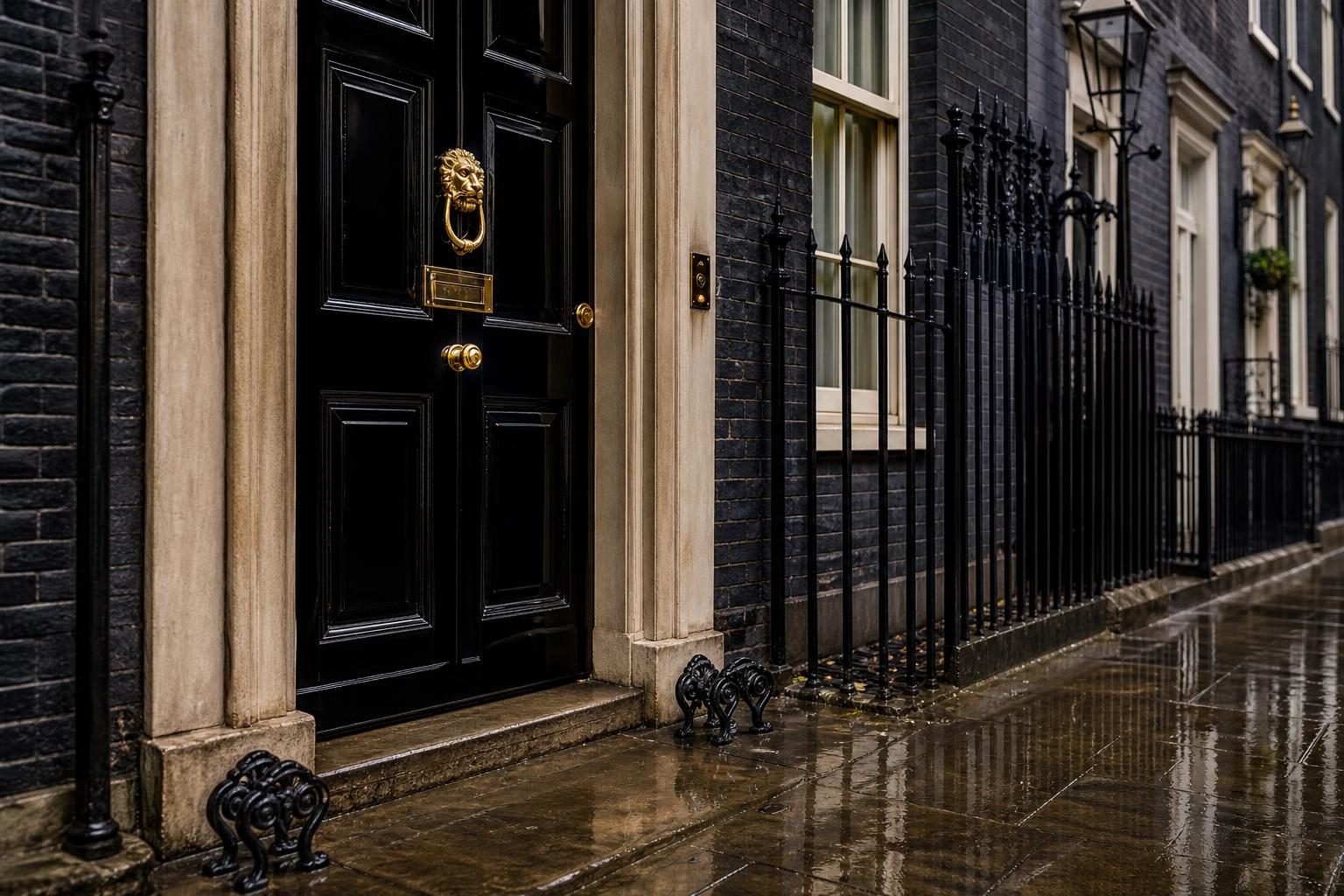
Prince William Makes Historic Downing Street Visit as Farage Escalates Fight Over Burnham's Brexit Reset
This morning on First Principles with Benjamin Stone
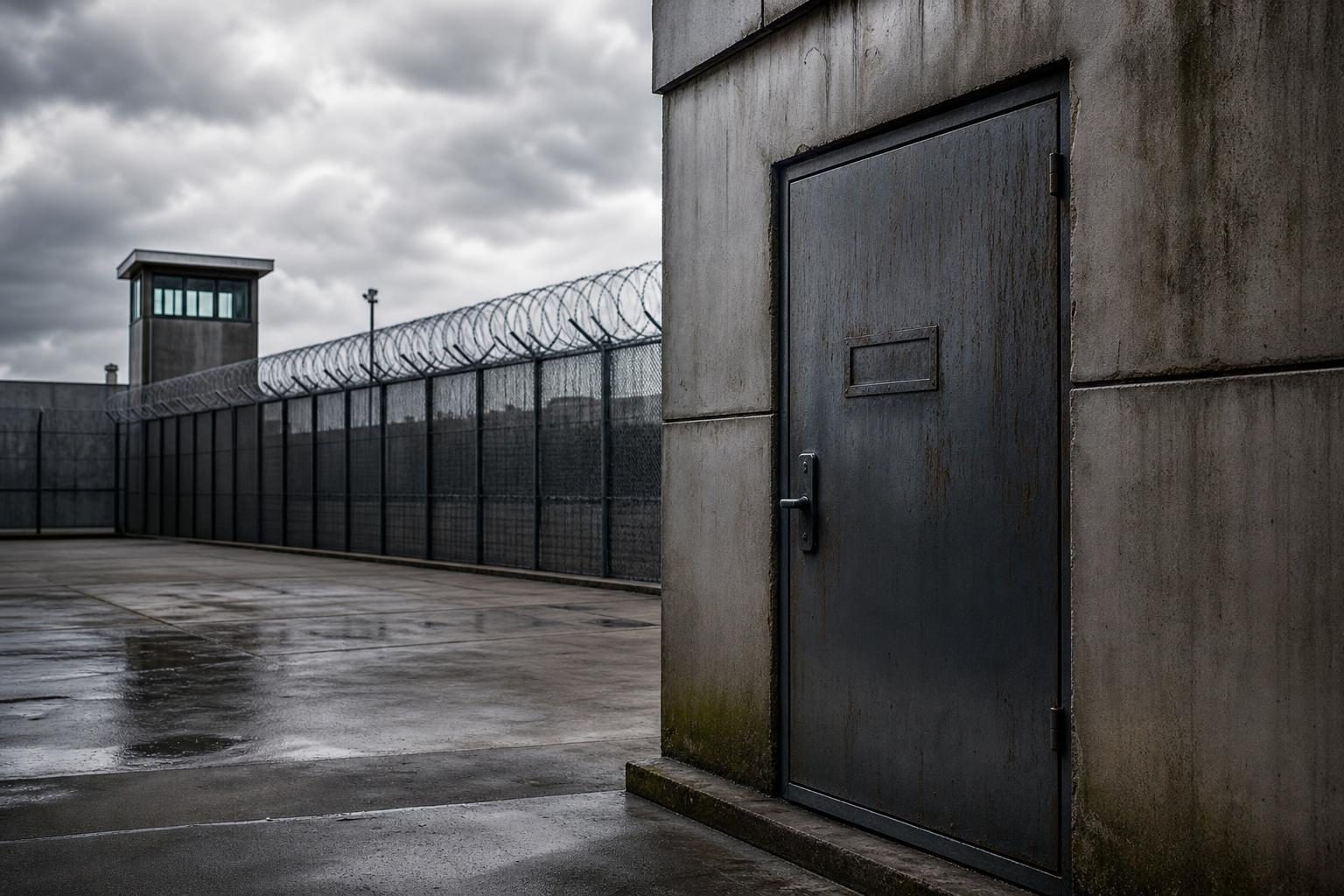
Inmate Admits Killing Soham Child Murderer Huntley
This morning on Street Watch with Elijah Carter
Were you there?
If you were at the scene, or this story touched your life, tell us what you saw and what it was like.
Discussion 0
Sign in or create a free account to join the discussion.
No comments yet. Start the discussion.