
 Overnight on Kitchen Table with Megan O’Brien
Why New Yorkers Are Saying No to Mamdani's Delivery Mandate Before It Raises the Price of Every Package
The mayor and more than 30 council members back a bill forcing Amazon and other last-mile operators to hire their drivers directly. Small delivery firms, a civil rights group and the Council's own speaker have serious doubts, and families could pay the bill.
Filed November 21, 2026 · 📍 New York City, NY 10007
Were you there? Share your story
Key points
- The Delivery Protection Act would license last-mile warehouses and require direct hiring of drivers.
- Amazon warns it could add up to $5 per order and about $664 a year per household.
- The National Urban League and a business coalition threaten to sue if it passes.
- Speaker Julie Menin has not scheduled a vote and is weighing a narrower compromise.
New York City Mayor Zohran Mamdani has a plan to change how packages reach your door. Families, small business owners and even the City Council's own speaker are asking whether it will simply make every delivery cost more.
What the Mayor Is Pushing
The bill, known as the Delivery Protection Act, would create a city licensing system for last-mile warehouses and distribution centers and set new safety, training and labor standards for them, the city's Department of Consumer and Worker Protection said when the mayor endorsed it in August [1]. Its central demand is that companies running those facilities employ their delivery workers directly rather than through outside contractors, CNBC reported [2].
Supporters say the current model, in which Amazon relies on independent delivery companies, lets the giant avoid responsibility for the people driving its routes [1]. The mayor's office pitched the measure as a way to rein in Amazon's power over city streets [1]. More than 30 council members have signed on [5].
The Bill Lands on Your Kitchen Table
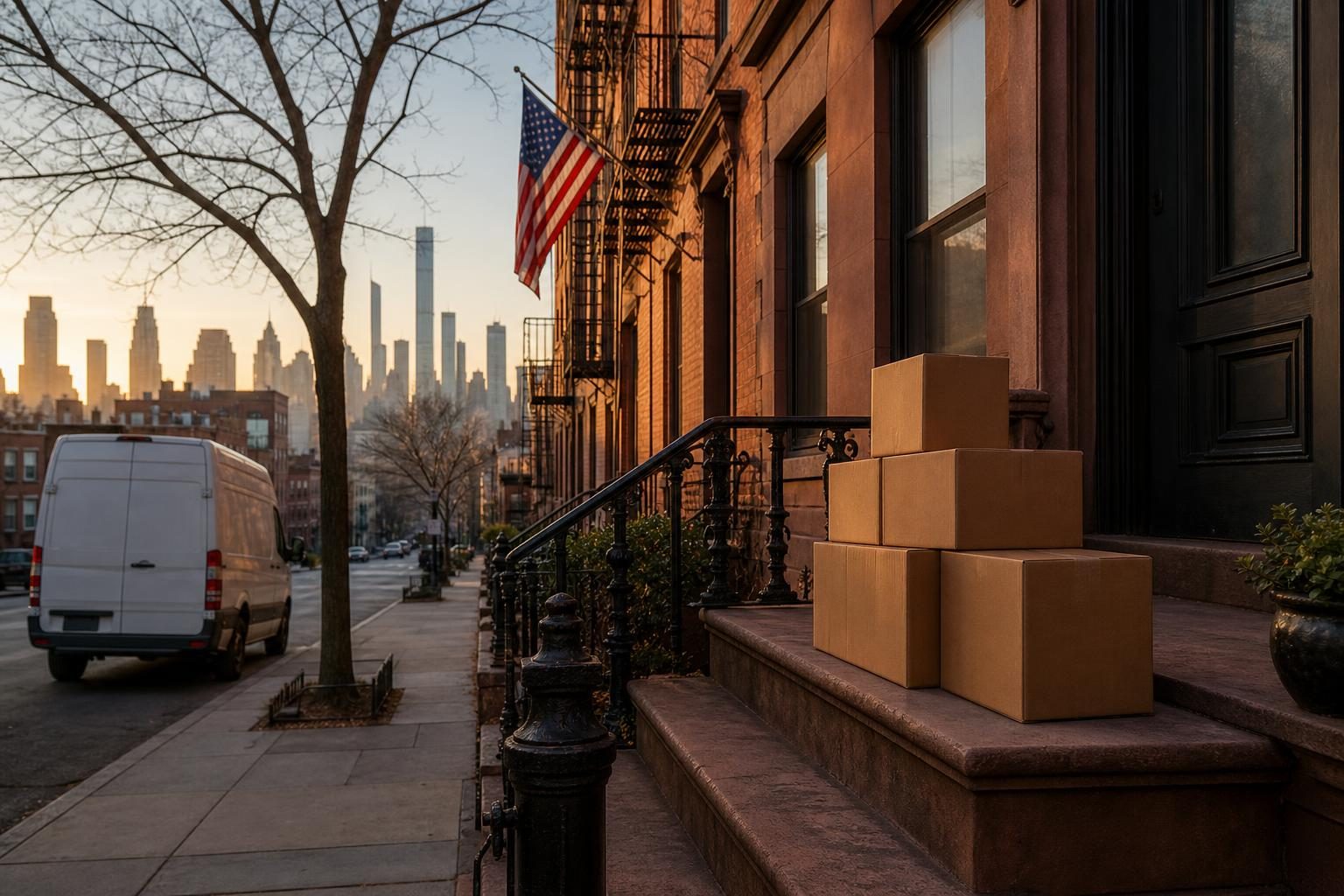
Start with cost. Amazon has begun warning New York customers on its website and app that the bill could add up to $5 per order, CNBC reported [2]. The company has estimated the mandate could cost a typical city household an extra $664 a year, and has said it would consider moving its delivery warehouses outside the city if the bill becomes law, Fox Business reported [3].
Those are Amazon's own estimates, and the company has an obvious interest in them. But the logic is not complicated. When the government orders a business to restructure the way it hires thousands of workers, the cost does not vanish. It shows up in prices, in fewer jobs, or in a business that decides to set up shop across the river in New Jersey. A city that elected a mayor promising affordability should be wary of a law that makes one more everyday expense more expensive.
Small Businesses in the Crosshairs
The second problem is who gets hurt. The independent delivery companies that would be squeezed out are themselves small businesses, many of them built by local entrepreneurs who hire neighborhood drivers. That is why a coalition of business groups, joined by the National Urban League, a long-established civil rights organization, is threatening to sue the city if the Council passes the bill, City & State New York reported [4].
When a civil rights group that has spent generations fighting for Black economic opportunity lines up against a measure sold as pro-worker, lawmakers should pause and ask why. Wiping out a layer of locally owned companies is not a strange way to help workers. It is a strange way to help anyone.
A Speaker Who Is Asking the Right Questions
Even inside City Hall, the momentum has slowed. Council Speaker Julie Menin has not scheduled a vote, and she is weighing changes that could drop the ban on third-party delivery firms and focus instead on licensing and regulating warehouse operations, Insurance Journal reported [5]. Under one possible compromise, Amazon could keep using its network of small-business delivery partners while the city exercises more oversight of those relationships, the outlet reported [5]. If a deal is reached, a vote could follow within weeks [5].
To be fair, Menin has also sharply criticized Amazon's warning campaign [2][6], and Gothamist reported that the company's aggressive push may be costing it goodwill among council members [6]. Nobody needs to take a trillion-dollar company's side to see the problems here. Worker safety is a worthy goal, and the city can pursue it with targeted safety rules for warehouses and vehicles without dictating how every company must hire.
What Comes Next
The sensible path is the one the speaker appears to be exploring: protect drivers with clear safety standards, keep the small delivery firms in business and leave families out of the crossfire [5]. New Yorkers already pay some of the highest prices in America. They do not need City Hall adding a surcharge to the diapers, groceries and medicine that arrive at their door.
Watch for whether the bill reaches the Council floor before the end of the year, and whether the final version keeps the mandate or trades it for a compromise that protects both workers and wallets [5].
Sources
- [1]NYC Department of Consumer and Worker ProtectionMayor Mamdani Backs Delivery Protection Act to Rein in Amazon's Power Over New York City StreetsOpens in a new tab ↗
- [2]Opens in a new tab ↗
- [3]Fox BusinessAmazon warns Mamdani-backed delivery mandate could cost NYC households hundreds every yearOpens in a new tab ↗
- [4]City & State New YorkAmazon, National Urban League threaten to sue city if Delivery Protection Act passesOpens in a new tab ↗
- [5]Insurance JournalNY City Lawmakers Weigh Overhaul of Amazon Delivery Worker BillOpens in a new tab ↗
- [6]Opens in a new tab ↗
Have you ever been censored or shadow-banned on social media?
- Yes
- I think so
- No
- I'm not on social media
More in Pushback
A Simple Label, a Dignified Rest: The Case for the Don't Flush Babies Act
Last night on Mother & Child with Elena Vasquez
The Facts Don't Back Up the 'Giveaway' Attack on the Senate's Permitting Bill
Last night on The Power Grid with Priya Desai
Arrested Twice by the Unit He Is Breaking Up: Why New Yorkers Deserve the Full Safety Case Before Mamdani Disbands the SRG
Last night on Cross-Examination with Dominic Kane
Were you there?
If you were at the scene, or this story touched your life, tell us what you saw and what it was like.
Discussion 0
Sign in or create a free account to join the discussion.
No comments yet. Start the discussion.