
 Today on American Story with Joe Redhawk
Real Food as Medicine: HHS Backs Native Food Traditions With $2 Million and a Montana 'Food Pharmacy'
After a Washington summit on tribal food systems, new grants will help Native communities fight diabetes and heart disease with cooking classes, health coaching and the foods of their ancestors.
Filed November 23, 2026 · 📍 MT 59601
Were you there? Share your story
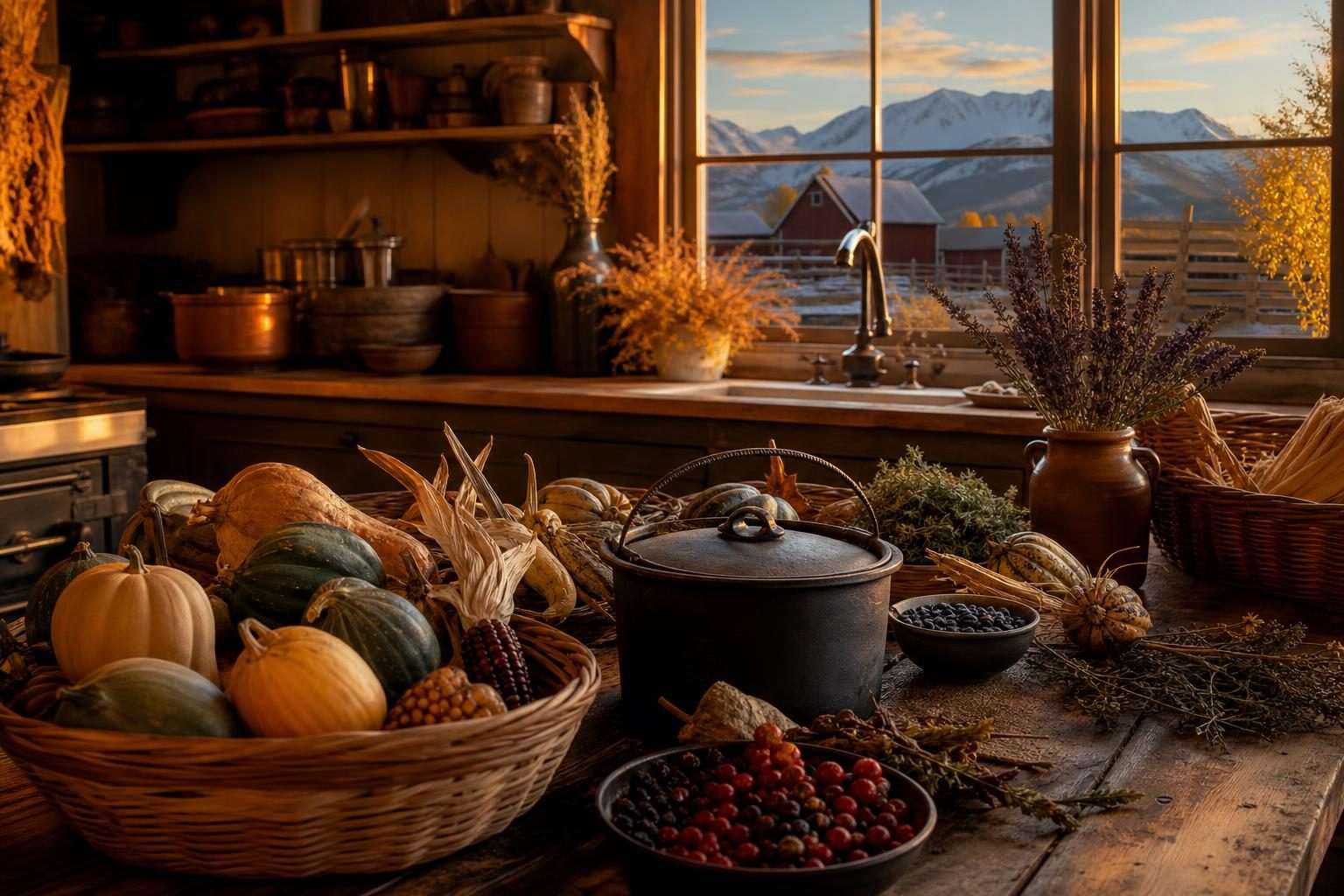
Key points
- HHS announced $2 million on Nov. 20 to expand its Center for Indigenous Innovation and Health.
- The University of Montana will build an Indigenous Food Pharmacy pairing cooking classes and Native food knowledge with health coaching.
- The awards followed HHS's Nov. 17-18 Traditional Food Summit on tribal food systems in Washington.
- The two-year effort targets obesity, diabetes, heart disease and food insecurity in Native communities.
In the same week Americans honor Native American Heritage Month and prepare for Thanksgiving, the federal health department has put real money behind an idea many tribal elders have taught for generations: the foods that sustained their grandparents can help heal their grandchildren.
The Department of Health and Human Services announced $2 million in grants on Nov. 20 to expand its Center for Indigenous Innovation and Health, a two-year effort aimed at preventing chronic disease in American Indian and Alaska Native communities through outreach, education and partnerships [1]. The awards were highlighted alongside HHS's two-day Traditional Food Summit, held Nov. 17 and 18 in Washington, which focused on strengthening tribal food systems and bringing traditional foods into health programs and public health policy [1][2].
Health Secretary Robert F. Kennedy Jr. said the grants will help communities strengthen their food systems and "expand access to traditional, nutritious foods" [1].
A 'Food Pharmacy' in Montana
One of the two recipients is the University of Montana, which plans to build what it calls an Indigenous Food Pharmacy [3]. Local Montana outlets reported the university's share at $1 million [3]. The other recipient named in coverage of the announcement is the National Council of Urban Indian Health, a national organization focused on health care for Native Americans living in cities [1].
The Montana program is designed to combine cooking classes, nutrition education, Indigenous food knowledge, health coaching and regular health monitoring, with the goal of taking on obesity, diabetes, heart disease and food insecurity [3][4]. According to the federal award record, it brings together the university's Skaggs School of Pharmacy, its Skaggs Institute for Health Innovation and its Native American Center of Excellence with local food producers, and it will operate out of the teaching kitchen at Garden City Harvest, a local grower and food distributor [3][4]. The record lists a start date of Sept. 30, 2026 [4]. HHS has not said when the first participants will be enrolled [3].
The idea is simple and old-fashioned in the best sense. Instead of handing a patient one more prescription and sending him home, a pharmacist, a cook and a health coach work together to change what lands on the family table, drawing on the knowledge of the people who grew, hunted and gathered that food long before there was a clinic to visit.
A Week Devoted to Native Food Ways
The summit was followed on Nov. 19 by a meeting of the National Institutes of Health's Tribal Advisory Committee, which brings tribal leaders together with the agency's research officials [2]. The back-to-back gatherings gave tribes several days in Washington to press their priorities on food, health and research.
That focus did not appear overnight. At a 2025 summit marking the 70th anniversary of the Indian Health Service, Kennedy described tribes restoring fisheries, growing bison herds, building hydroponic greenhouses and running community food programs, and he said HHS would align federal nutrition policy with tribal priorities [5]. During a visit to Idaho in July 2025, leaders of the Shoshone-Bannock Tribes pressed the secretary to protect natural food sources, especially salmon, which they tied directly to their health, their culture and their treaty rights [6].
For many tribes, those foods are more than a menu. Salmon runs, bison herds, wild plants and family gardens carry ceremony, memory and identity, and restoring them is part of how a people passes its way of life to its children.
Why It Matters
Chronic diseases tied to diet, including diabetes and heart disease, weigh heavily on many Native communities, and the point of this week's effort was to treat food itself as part of the answer [1][2][3]. That puts this effort squarely inside the Make America Healthy Again agenda, which has argued that the country cannot medicate its way out of chronic disease and must change what people eat.
It is also a model conservatives should welcome. The Montana project is local, practical and built around families and community partners rather than another distant bureaucracy. It honors the wisdom of elders, respects the self-reliance of tribal nations, and asks a modest federal investment to do a specific job that can be measured.
There is a fitting echo in the calendar. This Thursday, millions of American families will give thanks to God for the harvest and for one another. For the tribes whose ancestors first worked this land, the newest health program in Washington is, at heart, a return to the oldest kind of thanksgiving: gratitude for good food, shared at a family table, and passed down to the next generation.
The two-year grants are expected to fund outreach, education and partnership work through 2028 [4], and HHS has said the effort will focus on preventing chronic disease and improving health in Native communities [1].
Sources
- [1]U.S. Department of Health and Human ServicesHHS Awards $2 Million to Advance Chronic Disease Prevention in American Indian and Alaska Native CommunitiesOpens in a new tab ↗
- [2]NIH Tribal Health Research OfficeHHS Traditional Food SummitOpens in a new tab ↗
- [3]Moose Radio (Montana)UM Lands HHS Grant for Montana Indigenous Food PharmacyOpens in a new tab ↗
- [4]Opens in a new tab ↗
- [5]Opens in a new tab ↗
- [6]Shoshone-Bannock TribesShoshone-Bannock Tribes: HHS Secretary to address IHS staffing crisis, protect behavioral health programs & natural food sourcesOpens in a new tab ↗
Which Native success story should American Story cover more?
- Tribal businesses
- Native veterans
- Tribal colleges
- Housing and family
More in Native America
Home Ground at First Encounter: A Native-Led Land Trust Takes Up Care of the Cape Cod Marsh Where the Nauset Met the Pilgrims
Yesterday on American Story with Joe Redhawk
Honoring the Code That Helped Win the Pacific: New Mexico and Navajo Prep Will Break Ground Dec. 1 on the Navajo Code Talkers Museum
On Saturday on American Story with Joe Redhawk
Sovereignty on the Line: Tribes Take On Kalshi's Sports Bets
Friday night on American Story with Joe Redhawk
Were you there?
If you were at the scene, or this story touched your life, tell us what you saw and what it was like.
Discussion 0
Sign in or create a free account to join the discussion.
No comments yet. Start the discussion.