
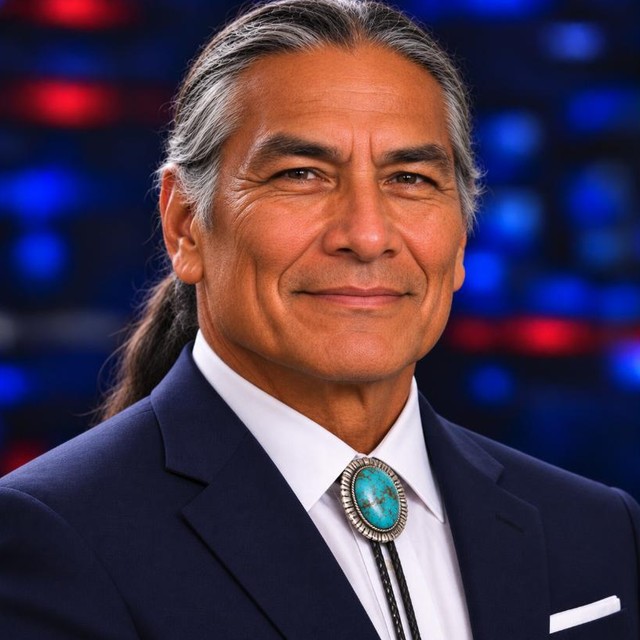
 Tonight on American Story with Joe Redhawk
Three Branches for the People: Sault Tribe Citizens Vote 2,697 to 990 to Separate Their Government's Powers
The Michigan tribe's amended constitution would create co-equal executive, legislative and judicial branches once the Interior Department certifies the result.
Filed November 20, 2026 · 📍 Austin, TX 78701
Were you there? Share your story

Key points
- Sault Tribe voters approved an amended constitution 2,697 to 990
- The change creates co-equal executive, legislative and judicial branches
- The Interior Department must approve and certify the results before it takes effect
- An earlier advisory poll showed 56% support for a three-branch government
Citizens of the Sault Ste. Marie Tribe of Chippewa Indians have voted to rebuild their government around a principle Americans know well: no single body should hold every power.
In a secretarial election whose count was finalized Thursday evening, tribal voters approved an amended constitution 2,697 to 990, Native News Online reported [1]. The change would create three separate, co-equal branches of government, executive, legislative and judicial, according to the tribe's announcement as reported by SooLeader [2].
Tribal Chairman Austin Lowes credited the result to citizens' long-held conviction that their government must be accountable to the people it serves, according to Native News Online [1].
From One Board to Three Branches
Today the tribe is governed by a board of directors made up of 12 members and one chairperson, all elected, with the chairperson chosen at large and serving as a member of the board, according to the tribe [5]. In practice, that places lawmaking and much of the running of tribal government in the same body.
The amendment is designed to change that. Under the new constitution, the executive, legislative and judicial functions would each stand on their own as co-equal branches [2]. That means a separate home for writing the laws, for carrying them out and for judging disputes under them.
In a three-branch system, a legislature passes the laws, an executive carries them out, and independent judges settle disputes, including disputes over whether the other two branches have followed the rules. The point is not distrust of any one leader. It is a recognition that every leader is human, and that citizens are better protected when power has to answer to power. A co-equal court, in particular, would give tribal citizens a forum that does not depend on the goodwill of the officials whose decisions they want reviewed.
The vote was not a surprise. In an earlier advisory poll, 3,566 citizens, or 56%, favored a three-branch separation of powers, while 1,596, or 25%, preferred a two-branch system and 1,198, or 19%, opposed any amendments, Native News Online reported [4]. The binding election confirmed that direction by a margin of better than two and a half to one [1].
What Happens Next
The new constitution does not take effect right away. The results must be approved and certified by the Secretary of the Interior, according to Native News Online and the tribe [1][3]. The tribe's election page lays out that same sequence, with the results going to the U.S. Department of the Interior, and it notes that at least 30% of registered voters had to take part for the election to count [3].
The tribe has already planned for the transition. Its board approved a constitutional implementation plan in September, and tribal lawmakers would then have up to 18 months to bring tribal laws into line with the new constitution, according to the tribe and local coverage [2][3]. Official results and next steps will be posted on the tribe's website, Native News Online reported [1].
Why It Matters
America's founders wrestled with this same question. In Federalist No. 47, James Madison warned that gathering legislative, executive and judicial power in the same hands is "the very definition of tyranny" [6]. The citizens of the Sault Tribe have reached a similar conclusion through their own process, on their own terms, as a sovereign nation.
That is self-government at its best. Nearly 3,700 people took the time to vote on the shape of their own constitution, and a clear majority chose a structure built for accountability [1]. Not everyone agreed, and the 990 citizens who voted no deserve to be heard as the details are worked out [1]. But a government that divides power so it can be checked is a gift to the generations who will live under it.
Stories about Native nations too often focus on hardship. This one is about citizens doing the hard, hopeful work of governing themselves well, and doing it the way free people should: at the ballot box.
Sources
- [1]Native News OnlineSault Tribe Citizens Approve Historic Three-Branch GovernmentOpens in a new tab ↗
- [2]Opens in a new tab ↗
- [3]Sault Tribe of Chippewa IndiansSecretarial ElectionOpens in a new tab ↗
- [4]Native News OnlineSault Ste. Marie Tribe Voters Show Strong Support for 3-Branch Government in Advisory PollOpens in a new tab ↗
- [5]Sault Tribe of Chippewa IndiansSault Tribe's Board of DirectorsOpens in a new tab ↗
- [6]Yale Law School Avalon ProjectThe Federalist Papers: No. 47Opens in a new tab ↗
Which Native success story should American Story cover more?
- Tribal businesses
- Native veterans
- Tribal colleges
- Housing and family
More in Native America

Navajo Gaming Repays $246.9 Million to the Navajo Nation, Clearing Its Debt to the Tribe Early
Yesterday on American Story with Joe Redhawk
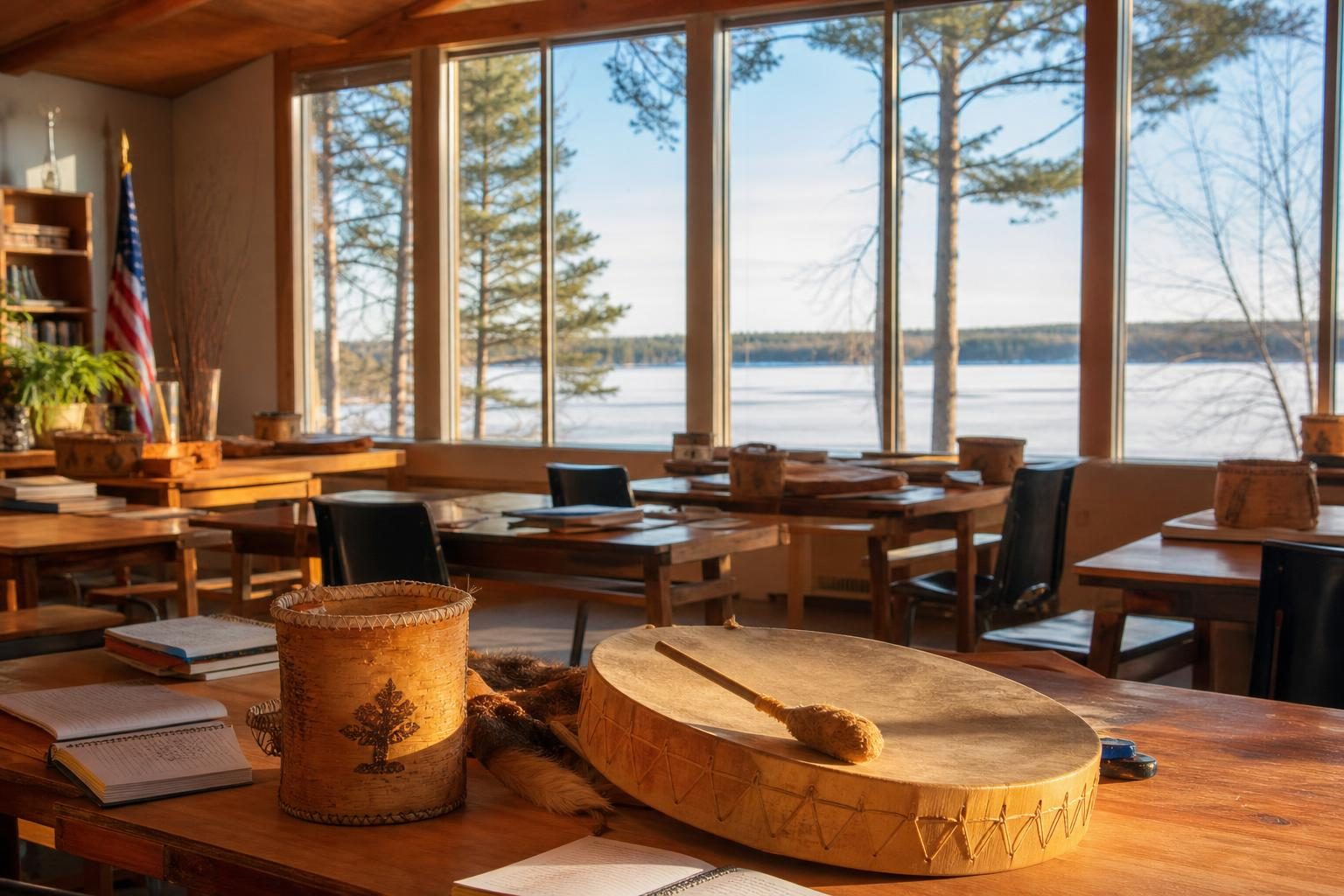
A Degree to Carry a Language Forward: Bemidji State Will Train Fully Licensed Ojibwe Teachers as Navajo and Snoqualmie Enterprises Build for Tomorrow
On Wednesday on American Story with Joe Redhawk
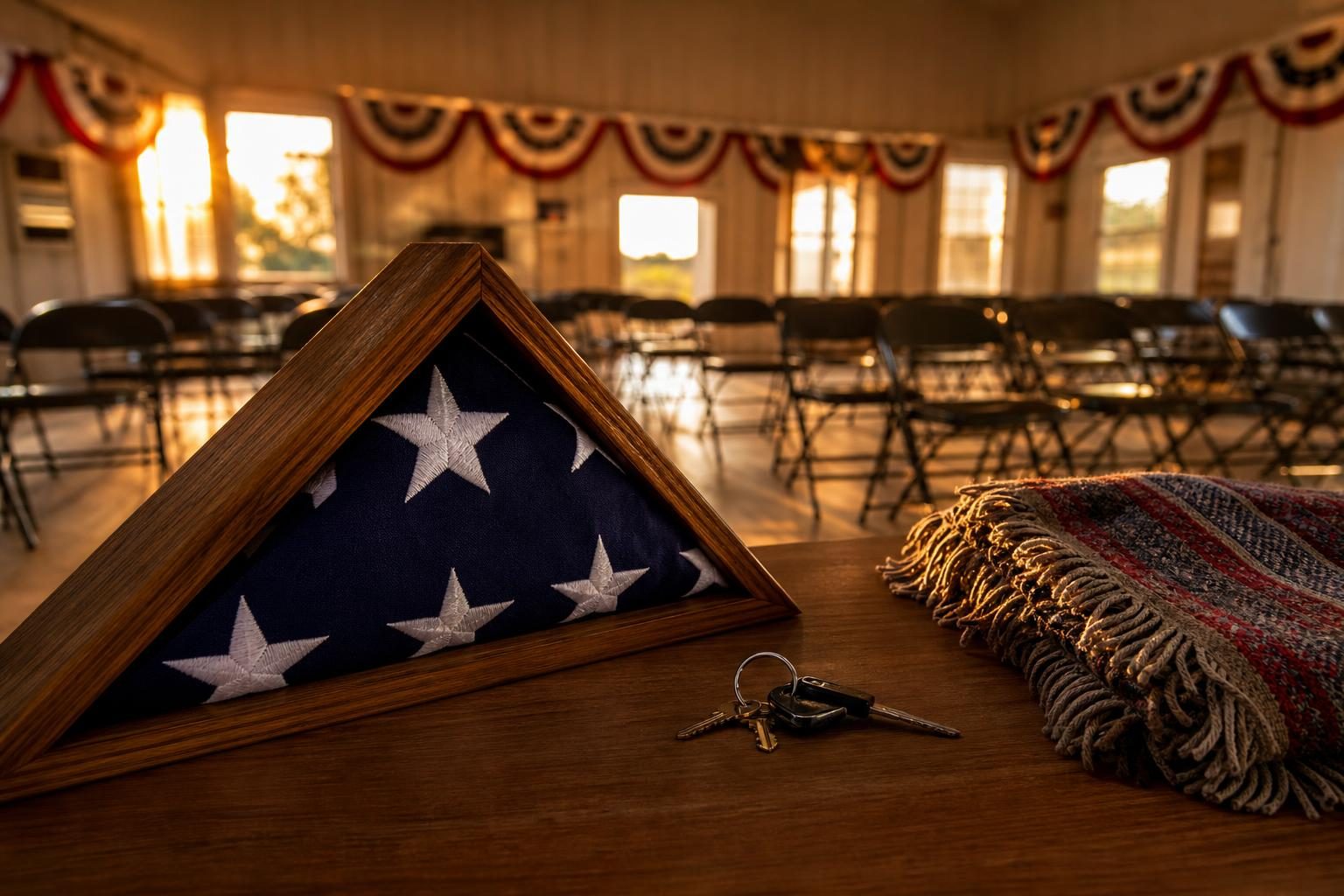
Cherokee Nation Honors Hundreds of Veterans at Second Summit, Launches Push to Help Them Find a Home
Monday night on American Story with Joe Redhawk
Were you there?
If you were at the scene, or this story touched your life, tell us what you saw and what it was like.
Discussion 0
Sign in or create a free account to join the discussion.
No comments yet. Start the discussion.