
 Today on American Story with Joe Redhawk
Navajo Gaming Repays $246.9 Million to the Navajo Nation, Clearing Its Debt to the Tribe Early
The Navajo Nation Gaming Enterprise prepaid $246.9 million in loans to the Nation on Wednesday, with leaders saying the money will be reinvested in the tribe's Permanent Trust Fund.
Filed November 19, 2026 · 📍 Flagstaff, AZ 86001
Were you there? Share your story
Key points
- Navajo Gaming repaid $246.9 million in loans to the Navajo Nation on Nov. 18.
- The payoff was financed through a KeyBank credit agreement and made early without penalty.
- President Buu Nygren said the money will be reinvested in the Nation's Permanent Trust Fund.
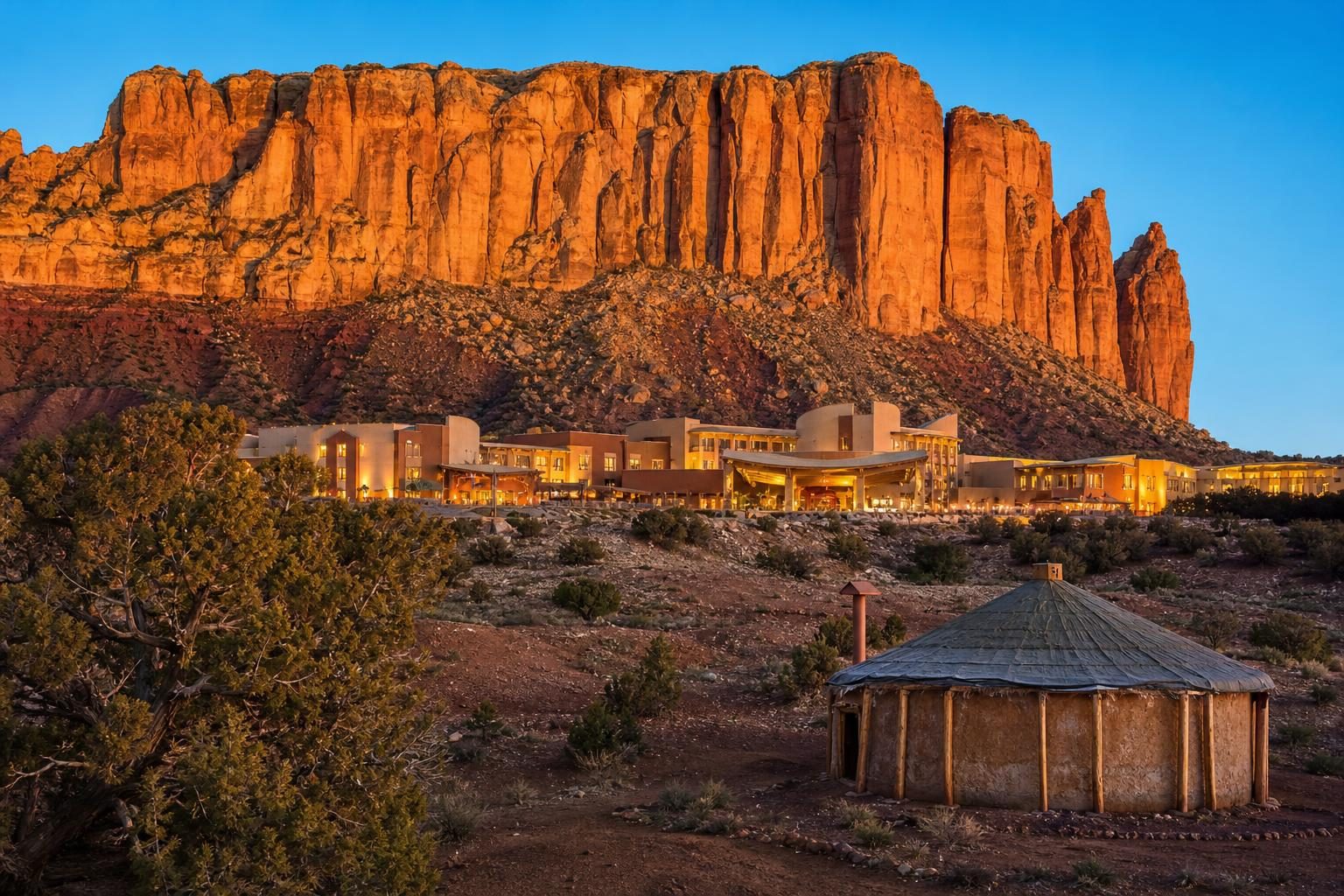
- The loans helped build Twin Arrows and other casinos in Arizona and New Mexico.
The Navajo Nation Gaming Enterprise has paid back $246.9 million it owed to the Navajo Nation, settling loans that helped build the tribe's casino business, the Navajo Times reported [1]. The enterprise marked the repayment Wednesday, Nov. 18, at a ceremony at Fire Rock Navajo Casino in Church Rock, New Mexico, presenting a ceremonial check for $246,878,896.76 [1].
The enterprise financed the payoff through a credit agreement with KeyBank, according to the Navajo Times and Native News Online [1][2]. The ceremony was attended by Navajo Nation leaders, Native News Online reported [2].
Paying Back the People's Money
The loans being retired were made from the Nation's own savings. CDC Gaming Reports said the original financing came from the Navajo Nation's Permanent Trust Fund [3], and Navajo Nation President Buu Nygren said in a statement that the proceeds are intended to be reinvested in that fund [1].
Nygren said the repayment covers financing tied to the Twin Arrows resort, the Sihasin Fund, the Navajo-Hopi Land Commission and the Navajo Tribal Utility Authority, according to the Navajo Times [1]. The paper reported that the obligations had gone through several restructuring agreements over the years before Wednesday's payoff [1].
The enterprise used its right under Section 3.2 of the loan agreement to prepay the full balance, including all accrued interest, without any premium or penalty, according to CDC Gaming Reports and Native News Online [2][3]. Native News Online reported that the enterprise's Gaming Board approved the repayment [2]. Chief Executive Officer John James described the prepayment as a sign of the financial strength the enterprise has built, CDC Gaming Reports said [3].
In practical terms, the Nation is no longer the lender standing behind its own casinos. A commercial bank has stepped into that role, and the money that came out of the Nation's long-term savings is set to go back where it started [1][3].
How the Enterprise Was Built
The repayment closes a chapter that began more than 15 years ago. In 2010, a Navajo Nation Council committee approved plans to use about $300 million of the tribe's own money to build casinos, with the largest project a $140 million casino, hotel and spa at Twin Arrows east of Flagstaff, Arizona, KNAU reported at the time [4].
By the time Twin Arrows opened in 2013, the Nation had spent nearly $200 million on it, the tribe's top gaming executive said then, according to Indianz.com [5]. The resort was financed with a loan from the tribe itself, which spared the Nation from taking on debt on the open market [5].
The enterprise's first casino, Fire Rock, opened near Gallup in November 2008, and it has been a major source of jobs for Navajo workers, KRWG reported on the casino's fifth anniversary [6]. Today Navajo Gaming operates four casinos across Arizona and New Mexico, according to CDC Gaming Reports [3].
From a single casino near Gallup to four properties in two states, the enterprise has grown into a business able to retire nearly a quarter-billion dollars in debt to the Nation in one payment [1][3][6].
What It Means for the Nation
The payoff matters well beyond the casino floor. Nygren said the repaid money is meant to be put back to work in the Permanent Trust Fund, the same pool of savings that made the original loans [1][3]. The repayment also settles obligations tied to programs that serve Navajo families, including the Navajo Tribal Utility Authority and the Navajo-Hopi Land Commission [1].
The story is a reminder that tribal self-governance and sound stewardship go hand in hand. The Navajo people chose to build their gaming business with their own resources rather than outside investors, kept ownership of it, and have now seen it pay back what it borrowed in full, ahead of schedule [2][3][5].
A repayment of this size, made voluntarily and early, is welcome news for Navajo families heading into the holiday season, and a strong example of a tribal enterprise keeping its word to the people who invested in it.
Sources
Which Native success story should American Story cover more?
- Tribal businesses
- Native veterans
- Tribal colleges
- Housing and family
More in Native America
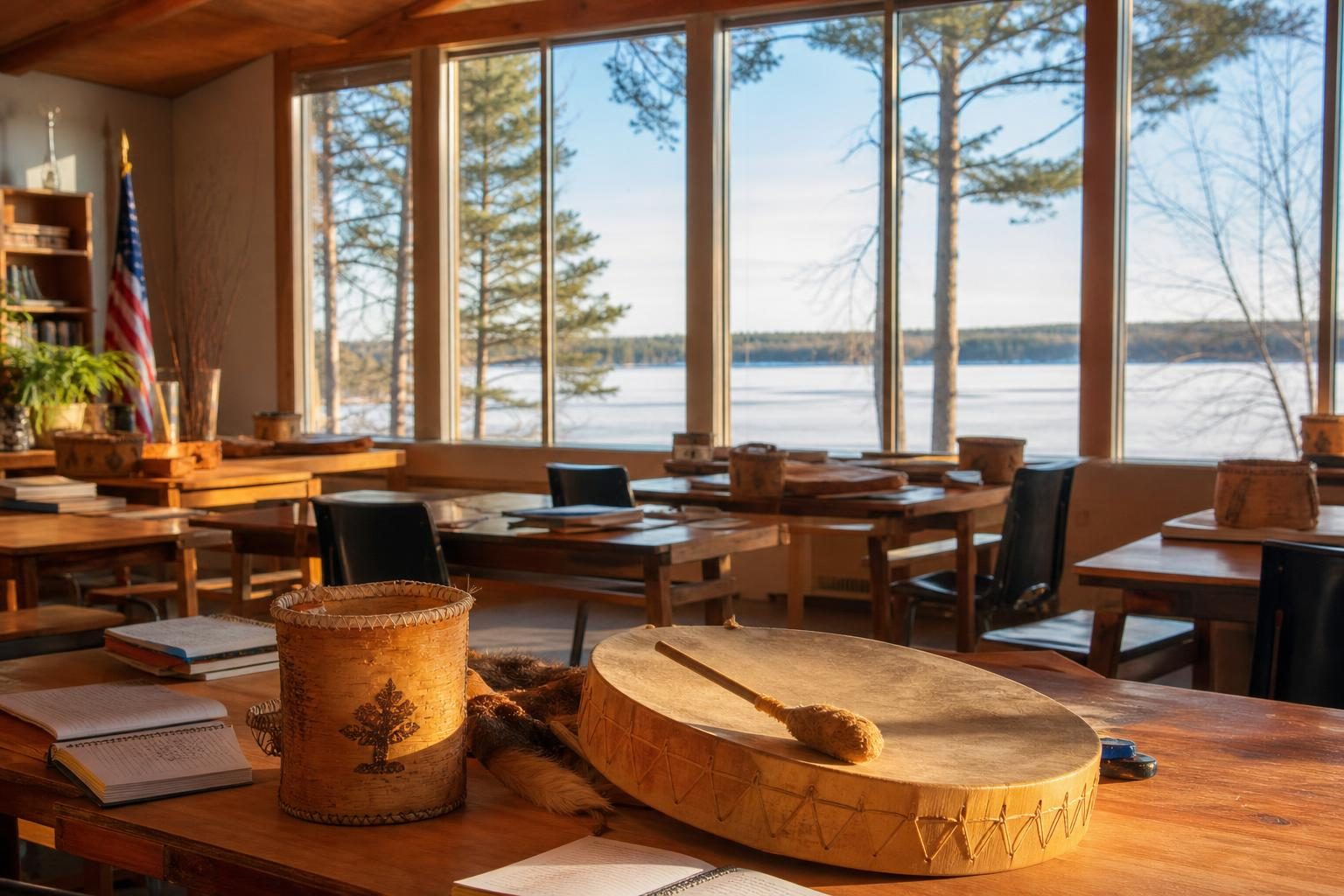
A Degree to Carry a Language Forward: Bemidji State Will Train Fully Licensed Ojibwe Teachers as Navajo and Snoqualmie Enterprises Build for Tomorrow
Yesterday on American Story with Joe Redhawk
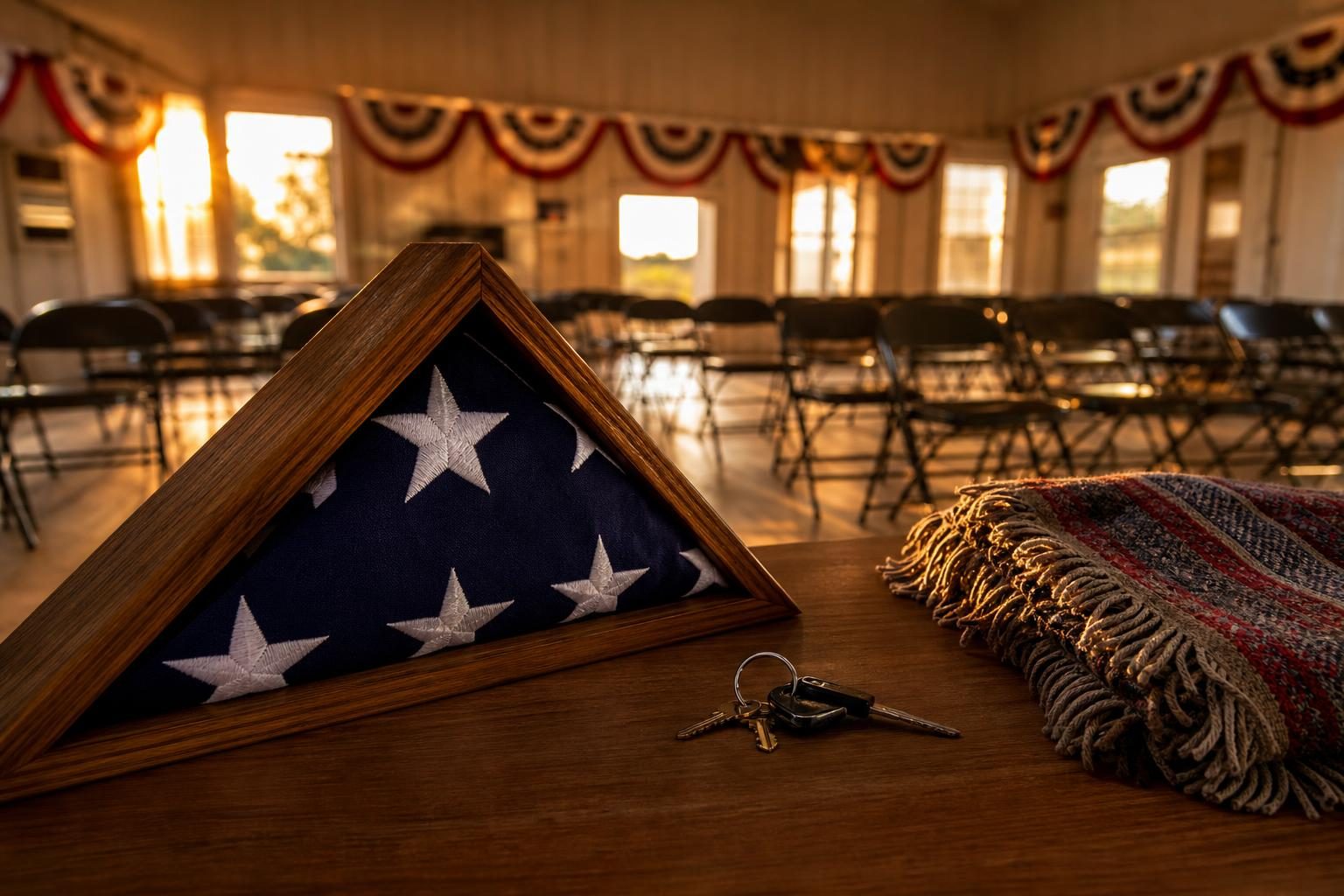
Cherokee Nation Honors Hundreds of Veterans at Second Summit, Launches Push to Help Them Find a Home
Monday night on American Story with Joe Redhawk
Quinault Nation Buys 11,196 Acres Inside Its Reservation and Now Owns More Than Half the Land Within Its Borders
On Sunday on American Story with Joe Redhawk
Were you there?
If you were at the scene, or this story touched your life, tell us what you saw and what it was like.
Discussion 0
Sign in or create a free account to join the discussion.
No comments yet. Start the discussion.