
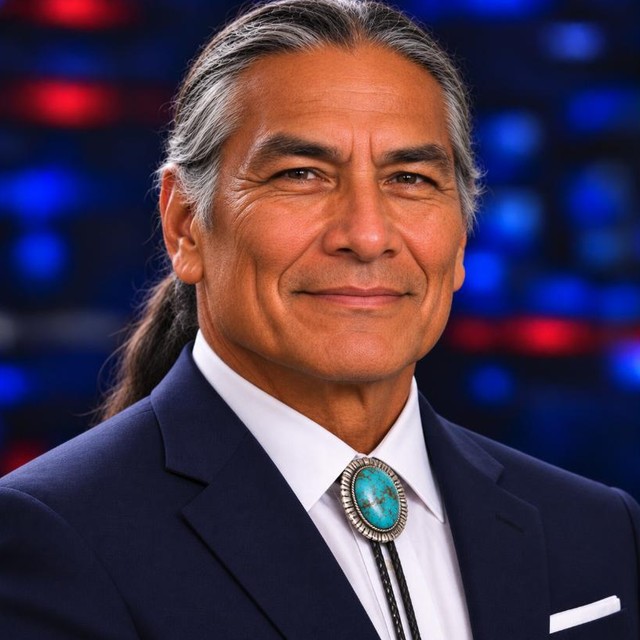
 Today on American Story with Joe Redhawk
A Degree to Carry a Language Forward: Bemidji State Will Train Fully Licensed Ojibwe Teachers as Navajo and Snoqualmie Enterprises Build for Tomorrow
A first-of-its-kind Ojibwe education degree launches in spring 2027, while a Navajo-owned firm wins NASA work and the Snoqualmie Tribe buys back 602 acres of forest.
Filed November 18, 2026 · 📍 St. Paul, MN 55102
Were you there? Share your story
Key points
- Bemidji State's Ojibwe education degree offers a path to full Minnesota teacher licensure
- The program launches in spring 2027, backed by a $920,000 three-year grant
- Navajo-owned DDC 4C won a NASA Goddard environmental order worth up to $34.3 million
- The Snoqualmie Tribe bought 602 acres of King County forestland for $3.65 million
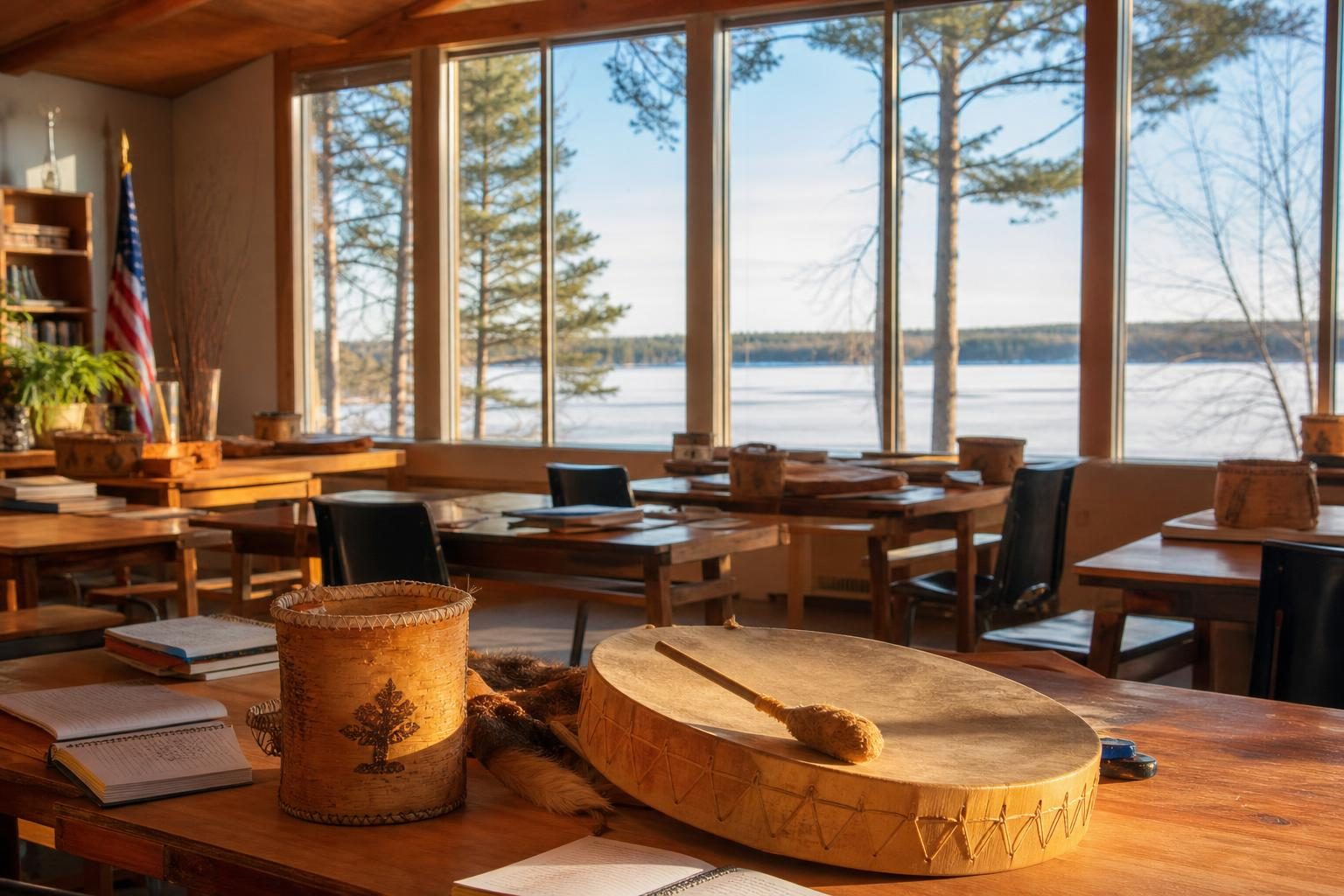
In northern Minnesota, a university that has taught the Ojibwe language longer than any other is about to do something new: turn fluent speakers into fully licensed classroom teachers.
Bemidji State University's new bachelor's degree in Ojibwe education will launch in the spring of 2027, the university announced on Nov. 10 [2]. Native News Online called it a first-of-its-kind degree, built to fully credential teachers of the Ojibwe language [1]. For families across Indian Country who have watched elders carry their languages for generations, it is a hopeful step toward making sure those words are still spoken in classrooms decades from now.
From Fluency to the Front of the Classroom
The program's central promise is a credential. Anton Treuer, the Bemidji State professor of Ojibwe who led the program's development, told Native News Online that unlike programs focused mainly on language skill or cultural studies, the new degree offers a pathway to full Minnesota teacher licensure in American Indian languages and cultures [1].
Treuer has argued that speaking a language well is not enough to teach it well, and that teachers also need professional training in how to run a classroom and teach children [1]. Graduates will be prepared to work in tribal, public, charter and immersion schools, he said [1].
The degree builds on what Bemidji State already offers, including a certificate in Ojibwe language instruction and a minor in the language, according to the university [3]. When the school first announced the plan last December, it described its Ojibwe program as the oldest university Ojibwe language program and said the new degree was supported by a three-year, $920,000 grant from the Midwest Indigenous Immersion Network [3]. That first announcement targeted a fall 2026 start, which has since moved to spring 2027 [2][3].
Patience will be required. It will be at least four years before the program produces its first fully credentialed Ojibwe language teachers, Native News Online reported [1]. But for a language revival, four years is a short time, and every licensed teacher can reach hundreds of children over a career.
Language is more than vocabulary. It carries prayers, family names, stories and the wisdom of grandparents. One of the hardest parts of any language revival is finding teachers who both speak the language and know how to teach it, the very gap Treuer has described [1]. A degree that answers both needs at once can give schools a steady pipeline instead of relying on a few dedicated volunteers.
It also reflects the kind of self-reliance that strengthens any community. Rather than waiting for someone else to preserve their heritage, Ojibwe educators are building the institutions to do it themselves.
Elsewhere in Indian Country
The good news this week reached beyond the classroom. DDC 4C, a subsidiary of the Navajo Nation-owned Diné Development Corporation, won a NASA environmental services order worth up to $34.3 million, including options, according to federal contracting records reported by Tribal Business News [4]. The Scottsdale, Arizona-based company will provide environmental management and planning work at NASA's Goddard Space Flight Center in Maryland [4].
Tribally owned businesses like DDC turn federal work into jobs, training and revenue that flow back to their nations. When a Navajo enterprise supports environmental work at one of America's premier space centers, it is a reminder that Native companies compete, and win, on merit.
In Washington state, the Snoqualmie Tribe has bought 602 acres of forestland in King County for $3.65 million, Tribal Business News reported, citing The Seattle Times [5]. The tribe acquired two neighboring parcels known as Tokul East, outside Fall City, according to documents recorded on Oct. 30 and Nov. 4 [5]. The land includes about seven miles of trails [5].
For the Snoqualmie people, whose homeland sits in the valley that bears their name, buying land back is about stewardship as much as ownership. It is a tribe investing its own resources in the forests its ancestors knew.
None of these stories made national headlines, and that is part of what makes them worth telling. They are about teachers, workers and tribal leaders doing patient, practical work: training the next generation, competing for contracts and caring for the land. Bemidji State's first Ojibwe education students will begin their studies in the spring [2], and the first licensed teachers they produce could be leading classrooms before the end of the decade [1].
Sources
- [1]Opens in a new tab ↗
- [2]Bemidji State UniversityBemidji State's New Bachelor's Degree in Ojibwe Education Launches Spring 2027Opens in a new tab ↗
- [3]Bemidji State UniversityOldest University Ojibwe Language Program Adding Teaching Degree in Fall 2026Opens in a new tab ↗
- [4]Tribal Business NewsNavajo-owned DDC 4C wins NASA awardOpens in a new tab ↗
- [5]Tribal Business NewsSnoqualmie Tribe buys 602 acres of Washington forestland for $3.65MOpens in a new tab ↗
Which Native success story should American Story cover more?
- Tribal businesses
- Native veterans
- Tribal colleges
- Housing and family
More in Native America
Cherokee Nation Honors Hundreds of Veterans at Second Summit, Launches Push to Help Them Find a Home
Monday night on American Story with Joe Redhawk
Quinault Nation Buys 11,196 Acres Inside Its Reservation and Now Owns More Than Half the Land Within Its Borders
On Sunday on American Story with Joe Redhawk
Navajo Nation's First Woman President-Elect, Crystalyne Curley, Waits Out a Recount With History in Reach
Friday night on American Story with Joe Redhawk
Were you there?
If you were at the scene, or this story touched your life, tell us what you saw and what it was like.
Discussion 0
Sign in or create a free account to join the discussion.
No comments yet. Start the discussion.