
 Tonight on Command Post with Dan Whitaker
Britain Checks In With 100,000 Former Troops as Russian Sabotage Fears Grow
The first letters of their kind since the Cold War are not call-up papers, but they show how seriously London now takes the threat, and why a stronger Europe is good news for American families.
Filed November 26, 2026 · 📍 Washington, DC 20001
Were you there? Share your story
Key points
- Britain's defence ministry is writing to about 100,000 former service members who can still be recalled, a first since the Cold War.
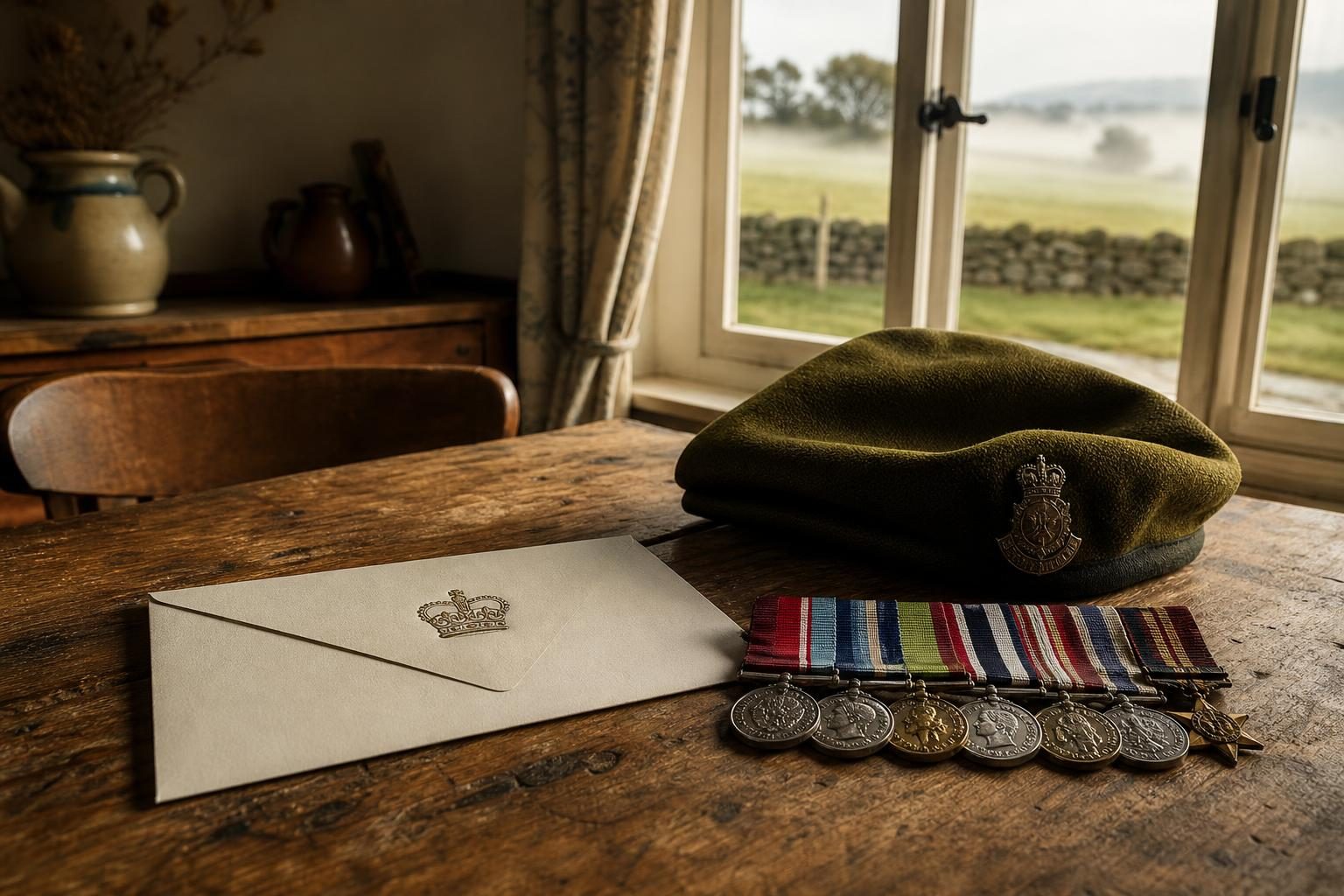
- The letters ask for contact details and civilian skills and offer voluntary training; they are not call-up papers.
- The RAF is reportedly sheltering jets overnight and adding anti-drone nets amid warnings of Russian sabotage.
- A Europe that is ready to defend itself means less risk of sending Americans to fight its wars.
Britain's Ministry of Defence has begun writing to about 100,000 former service members who can still be recalled to uniform, the first contact of its kind since the Cold War, according to reports from Fox News, the Kyiv Post and The Intelligent [1][2][3]. The move comes as British officials warn of rising Russian sabotage across Europe, and as the Royal Air Force reportedly begins tucking its fighter jets away at night for fear of drone attacks [1][6].
Defence Secretary Wes Streeting said the United Kingdom is contacting former personnel to bring its strategic reserve up to date as Russian sabotage rises across the continent, Fox News reported [1]. The Times and The Telegraph first reported the letters, according to The Intelligent [3].
Not Call-Up Papers, but a Clear Signal
The letters ask former soldiers, sailors and airmen to confirm their contact details and to describe the civilian skills they have picked up since leaving the service, The Intelligent reported [3]. The ministry has flagged cyber, intelligence, medicine and communications as specialist areas where it could draw on that experience, the outlet said [3]. Recipients are also being offered voluntary training, including a chance to take part in NATO's flagship Steadfast Defender exercise next year [1][3].
The letters are not call-up papers, and no one is being ordered to report for duty, The Intelligent stressed [3]. Fox News reported that the government wants accurate records in case veterans are needed for a disaster at home or a conflict overseas [1].
The pool is large but poorly mapped. Forces News has reported that about 95,000 people are estimated to be liable for recall as part of the strategic reserve, though the ministry does not publish figures on it [4]. Earlier this year, the government moved through its Armed Forces Bill to raise the maximum recall age for former personnel from 55 to 65 and to lower the threshold for recall so that it covers "warlike preparations," not only a national emergency, according to the Ministry of Defence and Forces News [4][5].
Jets Under Cover
The letters come alongside reports, first carried by The Times and Sky News, that the RAF is moving aircraft into hangars and hardened shelters overnight and, where that is not possible, putting up anti-drone netting of the kind Ukraine uses to protect its own equipment, according to Fox News and DroneXL [1][6]. The Ministry of Defence has not confirmed the netting, DroneXL reported [6].
The shelters have limits. Britain's main fighter bases still have hardened shelters left over from the Cold War, but larger aircraft such as aerial tankers and transports do not fit inside them and stay out on the apron, DroneXL reported [6].
The threat behind all of this is not theoretical. MI5 and the Ministry of Defence have jointly warned British firms that supply Ukraine's military about increasing Russian sabotage attempts, according to Fox News and DroneXL [1][6], and suspected drone flights over European airfields have rattled governments across the continent [1].
What It Means for America
For decades, American presidents of both parties have asked Europe to carry more of the weight of its own defense, and President Trump has made that case more bluntly than any of them. Britain's moves are the unglamorous readiness work that turns spending pledges into real strength: knowing who can serve, what skills they bring, and how to keep the aircraft that would carry a fight from being destroyed on the ground.
That matters to American families. A Europe that can deter Moscow by itself is a Europe far less likely to need American sons and daughters sent across the Atlantic to rescue it. Readiness is what keeps wars from starting. The old wisdom still holds: those who want peace prepare for war, and weakness is what invites aggression.
There is also something to honor in the men and women opening those envelopes this week. They already served once. Many now have families, mortgages and second careers, and their country is quietly asking whether it can count on them again. If history is any guide, most of them will answer yes.
What to watch next: how many former service members answer the letters, whether Parliament makes further changes to the reserve rules, and whether the RAF's overnight sheltering becomes standing policy as the winter goes on.
Sources
Should U.S. military aid to Israel end early?
- Yes, Israel can afford its own weapons
- Phase it out slowly
- No, keep it while Iran is a threat
More in Military & Defense

One Year After the Ambush, Staff Sgt. Andrew Wolfe Is Driving, Golfing and Still Fighting Back
Today on Command Post with Dan Whitaker

Missing Sailor Found Dead as Hormuz Attacks Hit a Wartime High
This morning on Command Post with Dan Whitaker
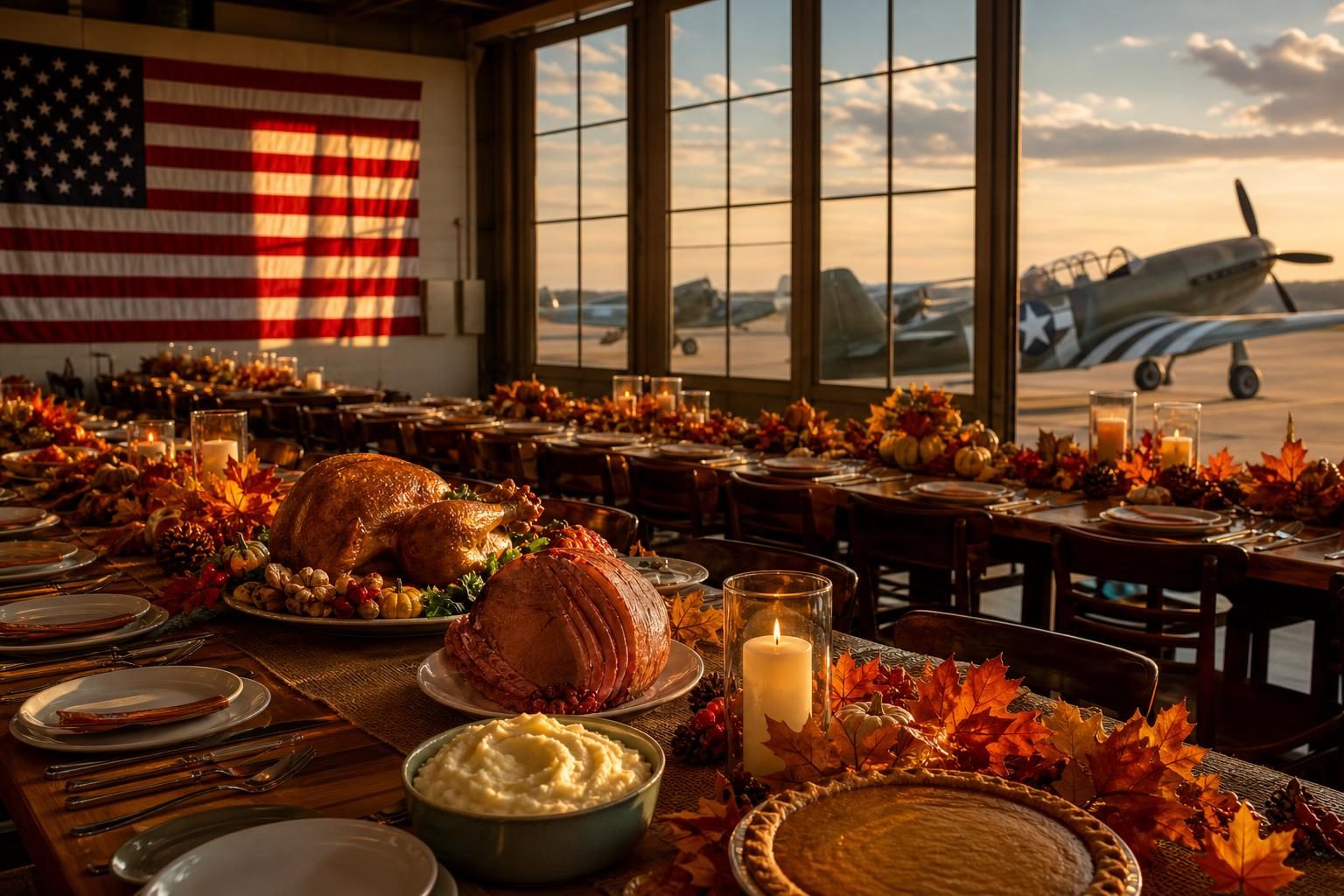
Turkey, Prime Rib and a Thank-You: The Vances Serve Thanksgiving Lunch to Airmen at Wright-Patterson
Last night on Command Post with Dan Whitaker
Were you there?
If you were at the scene, or this story touched your life, tell us what you saw and what it was like.
Discussion 0
Sign in or create a free account to join the discussion.
No comments yet. Start the discussion.