
 This morning on Heart of the Matter with Michael Grant
An Early Flu Season Meets the Thanksgiving Table: What the Latest CDC Numbers Say, and How to Protect the Grandparents
The government estimates millions of illnesses and thousands of deaths already, unusually early. Doctors say holiday travel and gatherings could speed the spread.
Filed November 23, 2026 · 📍 Washington, DC 20001
Were you there? Share your story
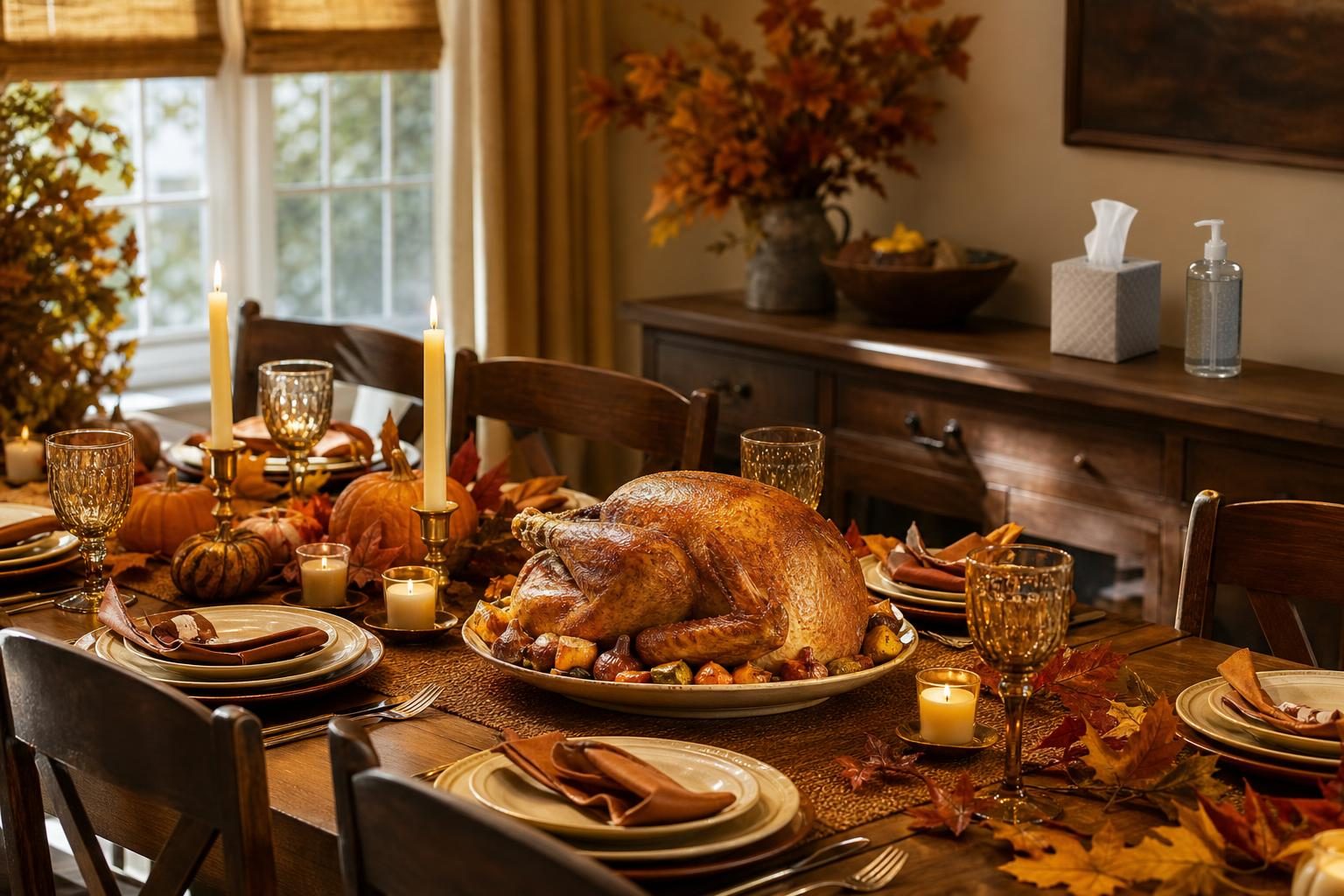
Part of our continuing coverage: Flu Season Arrives Early and Hits the South and West First: What Seniors and Families Should Know
Key points
- CDC estimates at least 2.6 million flu illnesses, 36,000 hospitalizations and 2,100 deaths so far this season.
- Early-season activity is higher than usual; most viruses identified so far are H1N1.
- Five children have died of flu this season, according to CDC's latest weekly report.
- CDC forecasts pointed to rising hospitalizations through late November, and doctors warn Thanksgiving could accelerate spread.
Flu season has arrived early this year, and it is arriving just in time for the year's biggest family gatherings. The Centers for Disease Control and Prevention estimates that there have already been at least 2.6 million flu illnesses, 36,000 hospitalizations and 2,100 deaths this season, according to its weekly surveillance report covering the week that ended Nov. 7 [1].
The agency said early-season flu activity is higher than is typically seen at this time of year [1]. Five children have died of flu-related illness this season, including two reported in the most recent week [1]. Nearly all of the flu viruses identified so far have been the H1N1 strain [1].
Early does not have to mean worse
There is some reassurance in the data. The CDC has cautioned that an earlier rise does not necessarily mean a higher peak or a more severe season overall, and that it is too soon to know which viruses will dominate or what that might mean for vaccine effectiveness [1][2]. Last winter's season peaked in late December and hit some parts of the country hard, with the CDC estimating at least 24,000 deaths [2].
But the early numbers are striking. In October, the rate of flu hospitalizations was at its highest level for that point in the season since 2009-10, according to reporting summarized by Good Morning America, although the rate was still low in absolute terms [3]. Becker's Hospital Review reported that flu admissions were running more than seven times higher than at the same point last year [4]. The CDC's forecasting models pointed to continued increases in flu hospital admissions and emergency room visits nationally through late November [2][5].
Why Thanksgiving matters
Doctors expect holiday travel and indoor gatherings to help the virus spread, as Powers Health noted in a guide published last week [6]. More than 81 million Americans are expected to travel this week, and many will sit down at tables that include elderly parents, newborn grandchildren and relatives with heart or lung conditions, the people most at risk of serious illness.
For older Americans, the flu is not a minor nuisance. Influenza can trigger heart attacks and strokes in the weeks after infection, and adults 65 and older account for most flu hospitalizations and deaths in a typical year. A cough that a healthy 30-year-old shrugs off can send a grandparent to the hospital.
Practical steps for families
Doctors offer simple advice for the week ahead [6]:
Stay home if you are sick, and keep sick children home from gatherings, even if it means a disappointing phone call. Wash hands often, especially before cooking and eating. Talk with your doctor about a flu shot if you have not had one; it takes about two weeks to build protection, so sooner is better. Ask about antiviral medicine quickly if you or a high-risk relative develop flu symptoms, since those drugs work best when started early. And consider smaller, well-ventilated gatherings if someone in the family is especially vulnerable.
Caring for one another is part of what this holiday is about. Sometimes love looks like a pot of soup left on a doorstep instead of a seat at a crowded table.
What comes next
The CDC updates its flu surveillance every week, and the reports in early December will show whether Thanksgiving gave the virus the boost doctors fear. Families can check the agency's FluView updates for activity in their own region before they travel.
Sources
- [1]Centers for Disease Control and PreventionWeekly US Influenza Surveillance Report: Week 44, ending November 7, 2026Opens in a new tab ↗
- [2]Opens in a new tab ↗
- [3]Good Morning AmericaFlu hospitalization rate at highest level for this time of year since 2010Opens in a new tab ↗
- [4]Becker's Hospital ReviewFlu admissions running more than 7x higher than last year: 8 notesOpens in a new tab ↗
- [5]Centers for Disease Control and PreventionWeekly US Influenza Surveillance Report: Week 42, ending October 24, 2026Opens in a new tab ↗
- [6]Opens in a new tab ↗
What worries you most about health care?
- Cost
- Getting an appointment
- Quality of care
- Government getting more involved
More in Health & Medicine

England Begins the World's Largest Test of AI in Breast Cancer Screening, With Nearly 700,000 Women Invited
This morning on Mother & Child with Elena Vasquez

Trapped in a Maternity Ward for a Day: Fighting Near Congo's Ebola Epicenter Pins Down Health Workers as the WHO Pleads for Peace
Last night on Health Check with Samuel Adeyemi

Federal Scientists Reopen the Roundup Question: What NIH's New Glyphosate Reviews Found, and Why the EPA Still Has the Final Word
Last night on Health Check with Samuel Adeyemi
Were you there?
If you were at the scene, or this story touched your life, tell us what you saw and what it was like.
Discussion 0
Sign in or create a free account to join the discussion.
No comments yet. Start the discussion.