
 Today on World Watch with Grace Whitfield
EU Pitches 22nd Russia Package: Banks, Tankers, Athletes
Brussels wants 60 more Russian banks cut off from SWIFT, dozens more shadow-fleet tankers listed and Russian teams kept out of European arenas. Every member state still has to sign on.
Filed November 23, 2026 · 📍 World desk · Washington, DC
Were you there? Share your story
Key points
- The European Commission proposed its 22nd Russia sanctions package on Monday.
- About 60 Russian banks would be cut from SWIFT and 70-plus shadow-fleet tankers listed.
- Russian teams and flag-flying athletes would be barred from EU sports events; ex-fighters would face a visa ban.
- All EU member states must agree before the measures take effect.
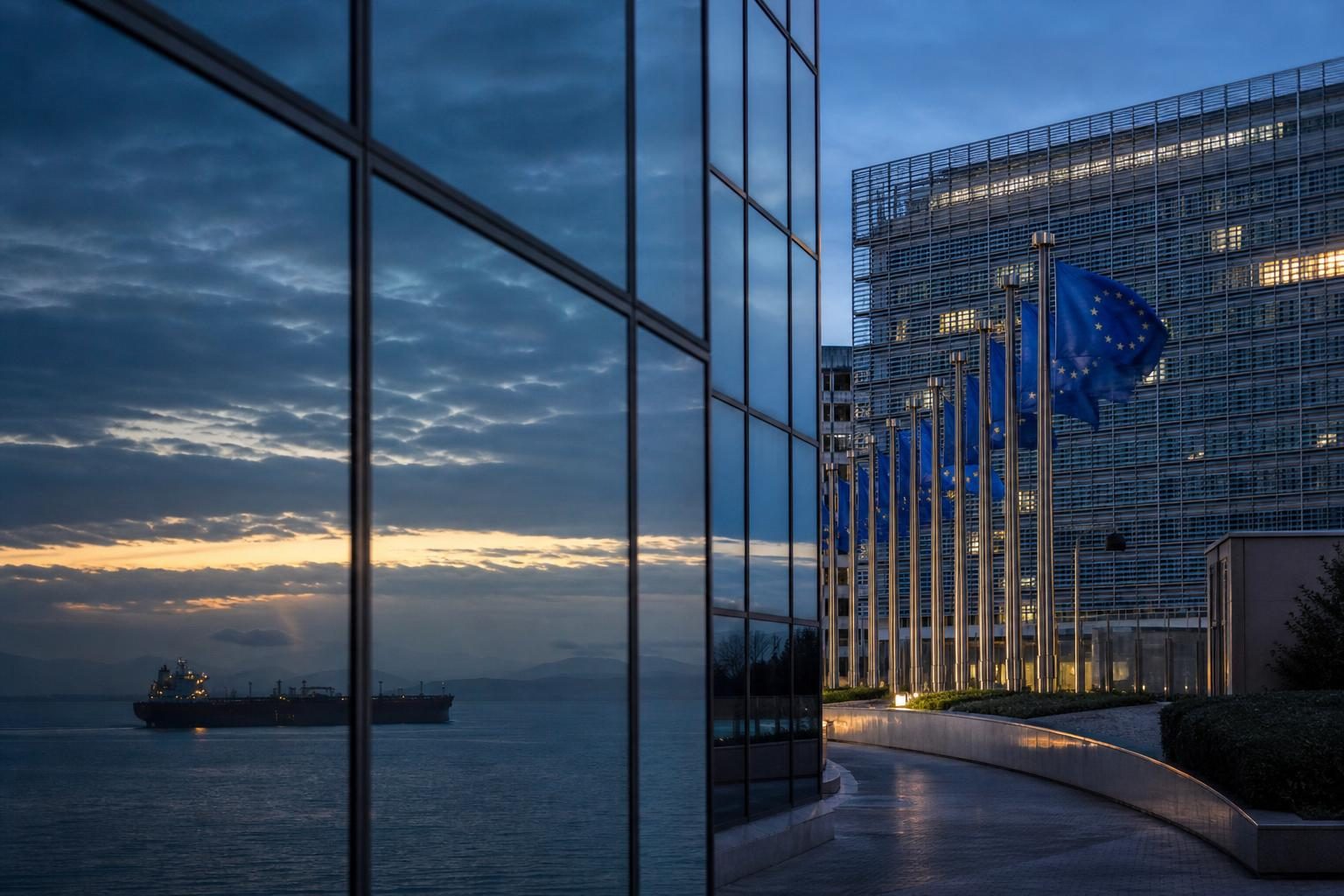
The European Commission on Monday unveiled its 22nd package of sanctions against Russia, aiming at the banks, tankers and energy services that keep Moscow's war economy running, and reaching for the first time into European sports arenas [1][2].
Commission President Ursula von der Leyen said the bloc will keep proposing new sanctions until Russia shows genuine intent toward a lasting peace in Ukraine, according to Sofia Globe's account of her presentation [4]. The package is only a proposal for now: sanctions need the unanimous agreement of the EU's member states before they take effect [2][4].
What Brussels Wants
The heart of the plan is financial. The Commission would extend its transaction ban to about 60 Russian banks and remove them from the SWIFT payments network, Reuters and Euronews reported [1][2]. It would also set up a Crypto Sanctions Task Force and add restrictions on more crypto platforms and on businesses in third countries that help Russia slip past existing measures [2][4].
At sea, the proposal would list more than 70 additional vessels from Russia's so-called shadow fleet, the aging tankers used to move oil outside Western price rules, and would ban tankers insured in Russia [4]. The ban on European firms providing services to Russian energy companies would be widened to cover refineries and, for the first time, electricity supply services [4].
Soldiers and Athletes
Two measures go beyond money. The package would impose a visa ban on former Russian fighters, an idea that Euronews noted was floated in the last round but watered down after resistance from Italy and France [2]. And it would bar Russian teams, athletes competing under the Russian flag and official Russian symbols from sporting events inside the bloc [1][2]. UNITED24 Media reported that Finland has already moved on its own to tighten entry rules for Russian athletes, including those competing under neutral status [5]. Bloomberg also highlighted the push against former combatants [3].
Why It Matters
For American readers, the details matter as much as the headline. Shadow-fleet tankers and back-door payment channels are exactly what this package is built to shut down, because they help Moscow keep selling oil and moving money while its war in Ukraine grinds on [2][4]. A package that goes after insurance, banking and the ships themselves is the kind of pressure that costs the Kremlin money rather than just generating press releases.
The harder question is whether all member states will agree. Past packages have been delayed and diluted in negotiations, and the visa ban on ex-fighters has already been softened once [2]. Until every capital signs off, this remains a plan, not a policy. If Europe wants America to keep standing with Ukraine, approving its own proposals in full, and quickly, would make that case far stronger.
Negotiations among the member states begin now, and the final terms could change before adoption [2][4].
Sources
Israel's new parliament is sworn in. Who would you rather see lead Israel?
- Benjamin Netanyahu
- Gadi Eisenkot
- Someone new
- That's for Israelis to decide
More in World News
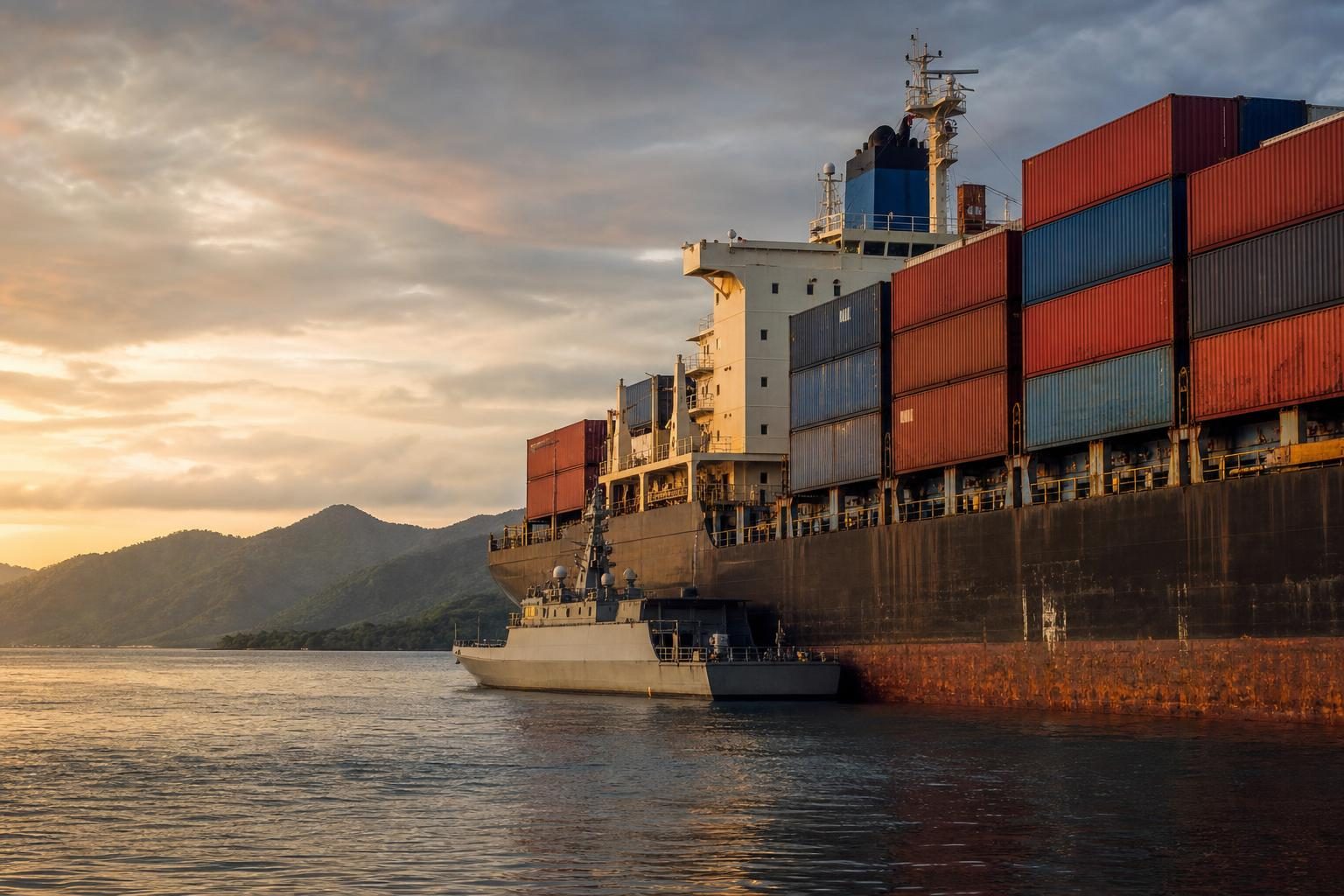
Missile-Fuel Chemical Seized on China-to-Bangladesh Ship
This morning on World Watch with Grace Whitfield
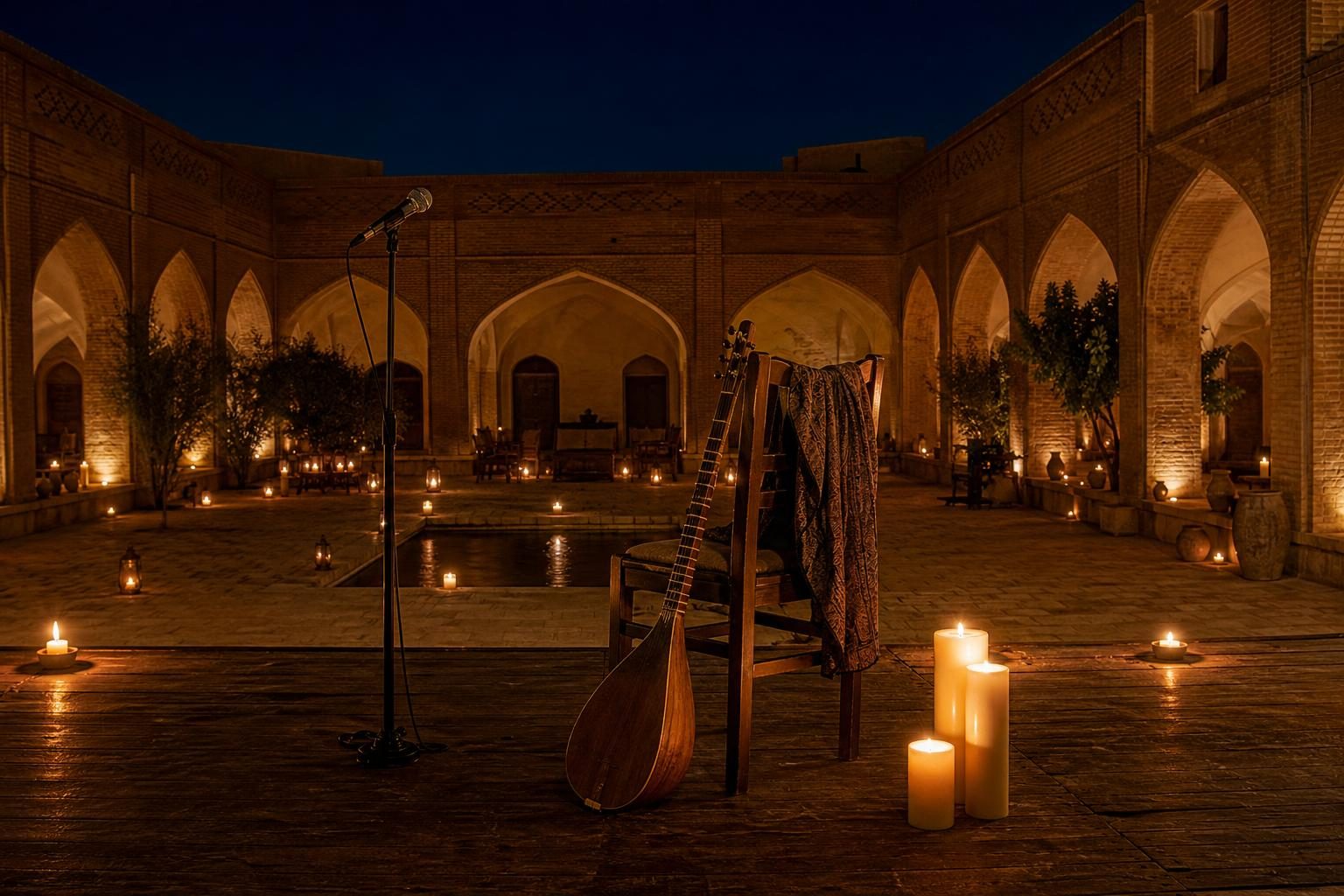
Iran Lashes Singer 74 Times Over Hijab-Free Concert
This morning on World Watch with Grace Whitfield
A Handshake, No Thaw: Japan and China Leave the Shenzhen Summit as Far Apart as Ever Over Taiwan
This morning on Cross-Examination with Dominic Kane
Were you there?
If you were at the scene, or this story touched your life, tell us what you saw and what it was like.
Discussion 0
Sign in or create a free account to join the discussion.
No comments yet. Start the discussion.