
 Overnight on Free Speech Frontline with Ryan Mercer
'Zero Evidence' of a Link: Rubio and Intelligence Chief Clayton Trace a Week of U.S. Tech Failures to Upgrades and Patches, Not Hackers
The secretary of state says America is not under systemic attack, and the director of national intelligence says no nation-state is behind the outages that hit flights, banks, the NSA and Apple.
Filed November 18, 2026 · 📍 NY 12207
Were you there? Share your story
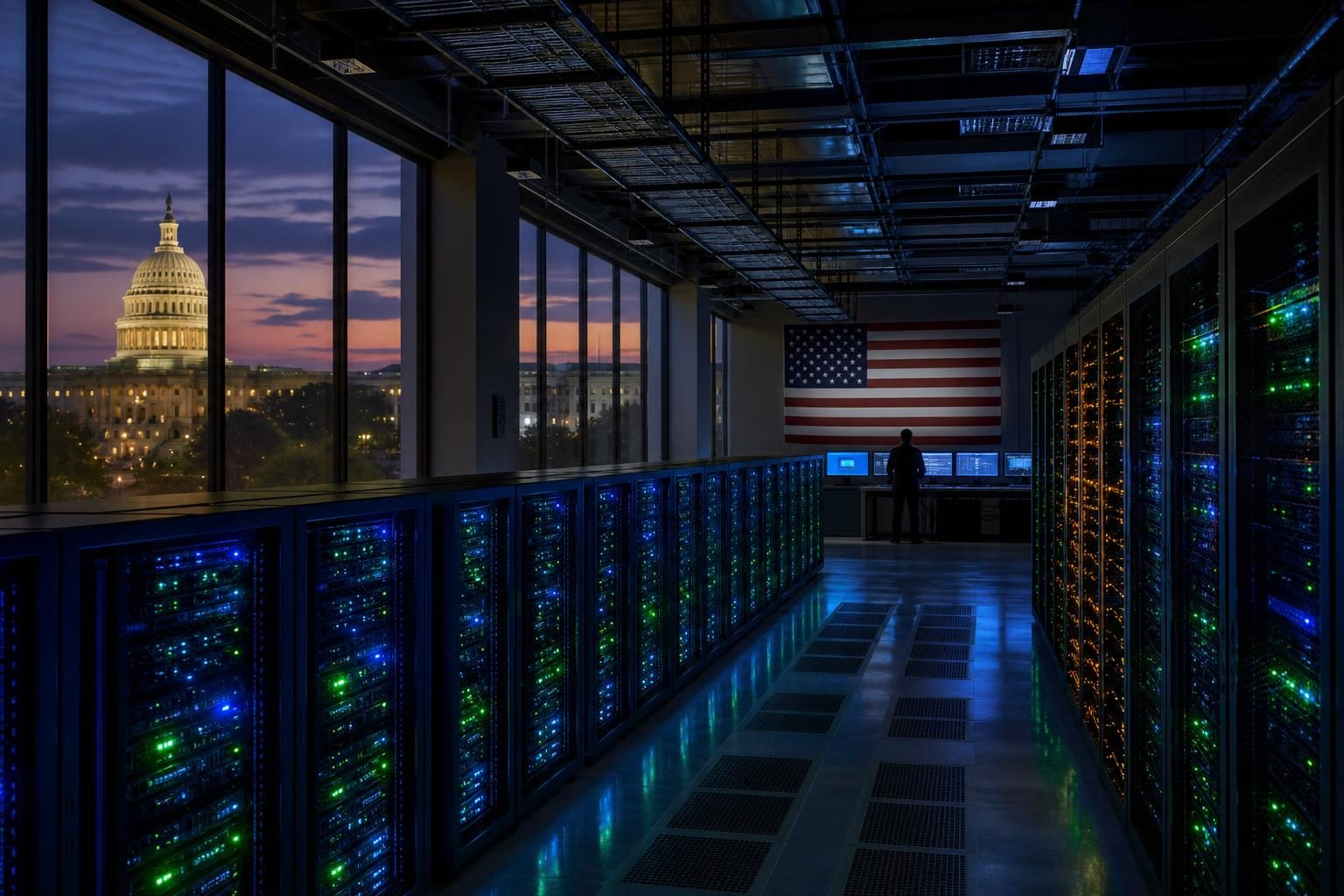
Part of our continuing coverage: NSA's Classified Internal Network Goes Down; Sources Say There Is No Sign of a Cyberattack So Far
Story tracker
- Ryan Mercer
The federal Cybersecurity and Infrastructure Security Agency on Tuesday urged organizations to immediately patch a critical flaw in Oracle's Java, tracked as CVE-2026-114938 and nicknamed Java4Shell [1]. The New York Times reported that the security company Calif used artificial intelligence to find the bug, which could affect systems used by nearly all Fortune 500 companies [2]. Oracle has released fixes, and at last report the flaw had not been added to CISA's list of vulnerabilities known to be exploited [3]. The warning fits the pattern Secretary of State Marco Rubio described, in which AI tools expose software holes and a rush to patch them can trigger failures [4].
CISA · The New York Times · The Hacker News · The New York Times
Key points
- Rubio says there is no evidence the week's outages are linked or caused by a hostile actor.
- DNI Jay Clayton told CNBC the failures were not a cyberattack or a coordinated nation-state effort.
- Clayton blamed agencies and companies running system upgrades at about the same time.
- Rubio pointed to a rush to patch weaknesses newly exposed by AI tools.
Secretary of State Marco Rubio said the string of technology failures that has rattled Americans for nearly a week is not the work of hackers or a foreign power, telling reporters the country is not "under systemic attack" [1]. Rubio said there is "zero evidence" tying the outages to one another, CBS News reported [2].
His message matched that of Director of National Intelligence Jay Clayton, who told CNBC on Tuesday that the disruptions were neither a cyberattack nor a coordinated effort by any nation-state [4]. Together, the statements from the nation's top diplomat and its top intelligence official answer the theories that have spread online as one system after another has gone dark.
What the officials said
Rubio, speaking in Manila as President Trump opened his Asia trip, acknowledged that many Americans feel fearful and uncertain after the back-to-back failures, but said he wanted to be clear about what the government has found, according to CBS News [2]. The BBC reported that Rubio rejected claims circulating online that the outages hitting Microsoft, banks and flights were connected [1].
Rubio also offered a possible explanation. According to The New York Times, he suggested that companies and agencies rushing to patch weaknesses in their systems, flaws that new artificial intelligence tools are now exposing, may account for the recent failures in air traffic control, banking and government networks [3].
Clayton made a similar case on CNBC's "Closing Bell." He said "This is not a cyber attack" and that investigators have looked at the incidents very closely [4]. He traced the disruptions to government institutions and private companies pushing through upgrades to their computer systems at roughly the same time [4].
A week of failures
The outages have reached nearly every corner of daily life. CNBC's tally of the week runs from Microsoft and the Federal Aviation Administration to JPMorgan Chase, the National Security Agency and Apple, with banks and air travel among the hardest hit [5].
This week the NSA's classified internal network went down, though sources told NBC News there was no indication it was an attack [6]. On Tuesday, Apple users reported trouble with the company's services as well [5].
Why it matters
For families who could not reach their bank accounts, travelers stuck at airports and workers locked out of email, the cause matters as much as the fix. An attack by a hostile nation would call for a very different response than a cluster of rushed upgrades and patches, and both officials said the evidence so far points away from an attack [1][4].
That is welcome news for Americans who have been on edge all week [2]. It also puts the responsibility where it belongs: on the companies and agencies whose upgrades, by the officials' account, knocked critical systems offline, and who now owe their customers better planning before the next one [3][4].
What comes next
The officials' assessments answer the biggest question, whether the country is under attack, but each company and agency involved still has to account for its own failure [1][4]. The pressure now shifts to them to explain what went wrong and show they have fixed it. Liberty Bell Report will keep following each outage and every new finding.
Sources
Do you trust AI chatbots to give straight answers on politics?
- Yes
- Sometimes
- No, they lean left
- I don't use them
More in Technology
Nvidia Halts Its Licensed Hopper Chip Shipments to China as Beijing Threatens to Answer America's New Remote-Access Rule
Today on Free Speech Frontline with Ryan Mercer
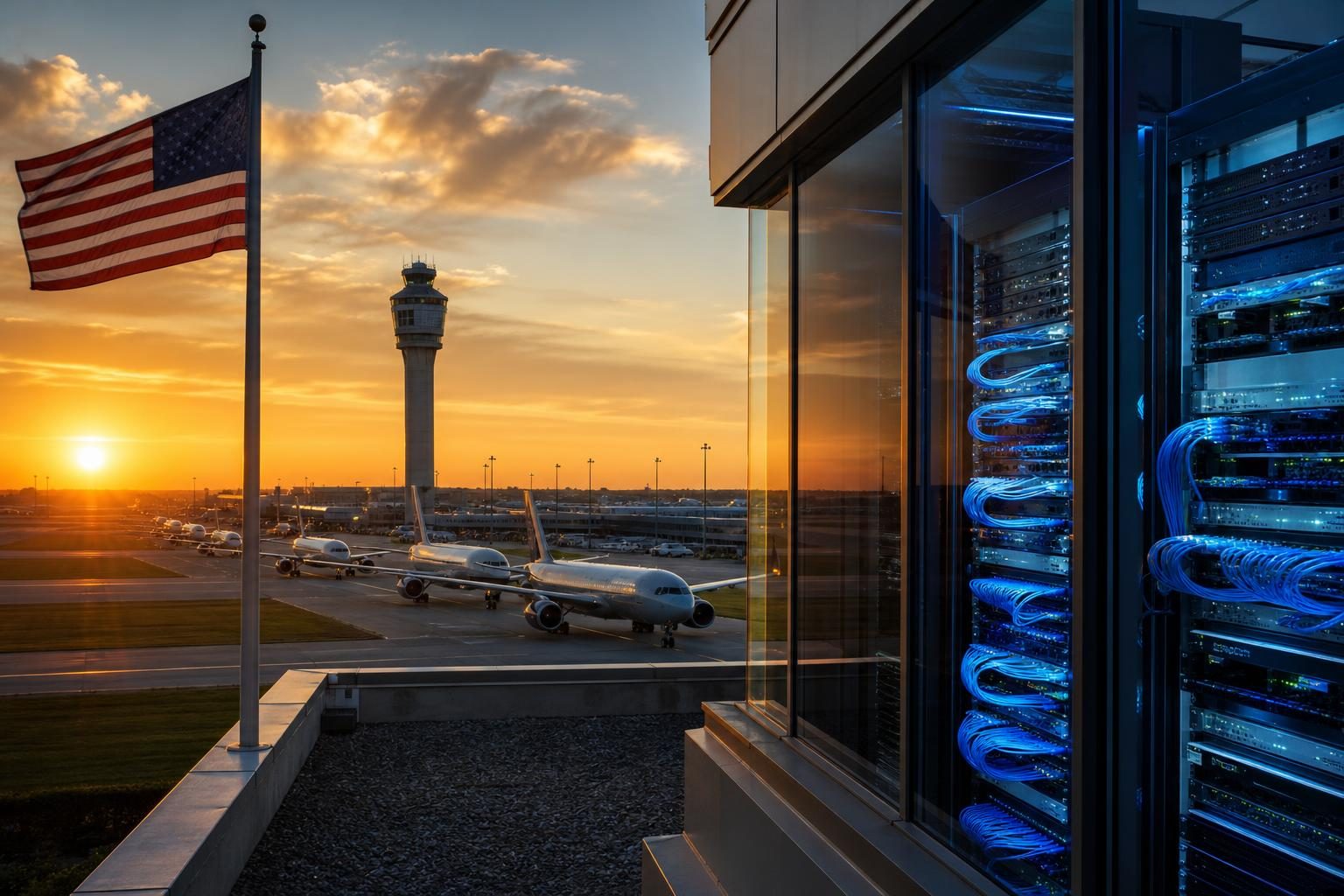
Facts Over Fear: Steady, Evidence-First Leadership Is Carrying America Through a Week of Outages
This morning on Free Speech Frontline with Ryan Mercer
Congress's Watchdog Got Four Top Chatbots to Plan Attacks, Including on the Power Grid. Protecting Americans Without Handing China the Lead Is the Next Test
This morning on Free Speech Frontline with Ryan Mercer
Were you there?
If you were at the scene, or this story touched your life, tell us what you saw and what it was like.
Discussion 0
Sign in or create a free account to join the discussion.
No comments yet. Start the discussion.