
 This morning on Free Speech Frontline with Ryan Mercer
Protecting Childhood: New York Moves to Ban AI Chatbot Toys for Five Years
Gov. Kathy Hochul is expected to sign a ban on toys powered by chatbots for young children, making New York the second state after California to keep them off store shelves, as 150 child-safety groups press Amazon and eBay to pull them before Christmas.
Filed November 24, 2026 · 📍 NY 12207
Were you there? Share your story
Part of our continuing coverage: 150 Groups to Amazon, eBay: Pull AI Toys Now
Key points
- New York Gov. Kathy Hochul is expected to sign a five-year ban on AI chatbot toys, effective in February.
- The bill targets toys aimed at children 12 and younger; California already has a similar ban.
- More than 150 child-safety groups urged Amazon and eBay to stop selling AI toys this Christmas.
- The ban follows an Oct. 28 New York law outlawing unsafe AI companion features for minors.
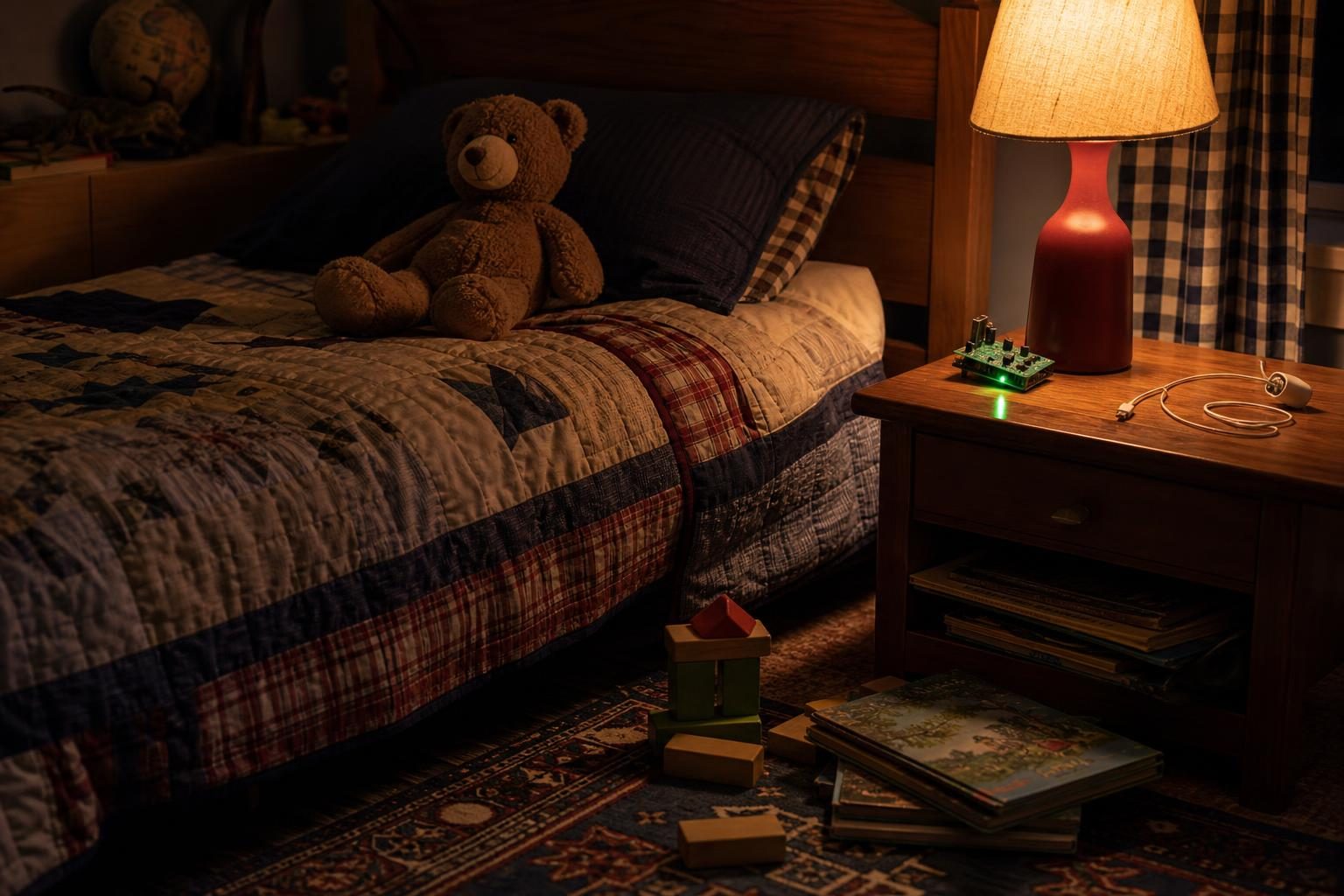
Parents worried about what a talking teddy bear might say to their child are about to get backup in New York. Gov. Kathy Hochul is expected to sign a law that bans the manufacture and sale of toys powered by artificial intelligence chatbots for five years, NBC News reported [1]. The ban is slated to take effect in February, and it would make New York the second state to outlaw such toys, after California [1].
What the Ban Covers
The measure, Senate Bill S9408A with its Assembly companion, would bar making, distributing or selling chatbot-driven toys aimed at children 12 and younger during the five-year window, according to the bill's legislative record [2]. The idea is simple: give lawmakers, researchers and parents time to understand how these products behave before they become a fixture in children's bedrooms.
The toy ban is a separate step from the law Hochul signed on Oct. 28, which outlawed a dozen categories of what the state calls "unsafe AI companion features" for users under 18, the Associated Press reported [3]. Together, the two measures make New York one of the most aggressive states in the country on protecting minors from conversational software, at a moment when state capitals are moving faster than Washington [3].
Why Parents Are Paying Attention
The timing is no accident. On Monday, more than 150 child-safety groups and experts from six continents urged Amazon and eBay to stop selling AI toys this Christmas until they are proven safe, The Guardian reported [4]. Their letter raised concerns about privacy and about toys holding inappropriate conversations with children [4]. NBC News reported that some of the toys have already been pulled from sale as the pressure has grown [5].
The worries go to the heart of how these products work. A traditional doll repeats a few recorded phrases. A chatbot toy listens, sends what a child says to remote servers, and generates new answers on the fly. That means a product sitting on a toddler's pillow can collect a family's private conversations and can say things no parent approved. Advocates argue that young children cannot tell the difference between a friendly voice and a trustworthy one [4].
For families of faith, the concern runs deeper than data. Childhood is a season for learning to trust parents, siblings, teachers and God, not a machine designed to keep a child talking. Many parents already fight a daily battle over screens and phones; a toy that acts like a companion brings the same pressures into the playroom. Our own reporting has followed the growing push to keep phones out of classrooms, and the same instinct is at work here: let kids be kids.
The Fair Questions
There are honest questions on the other side. Makers of educational products can fairly argue that a well-designed toy might help a child practice reading or a new language, and that a blanket ban treats responsible companies the same as careless ones. A patchwork of state laws, with California and New York each writing their own rules [1], also raises the question of whether American companies can compete while overseas sellers keep shipping products online.
A five-year pause, rather than a permanent ban, is meant to answer some of that criticism by buying time for standards to catch up [2]. Whether other states follow, and whether Congress steps in with a national rule, will shape how these products are sold in the years ahead.
What Comes Next
Once Hochul signs the bill, the ban is set to take effect in February [1]. With Black Friday days away, the debate is landing right in the middle of the holiday shopping rush. For now, the message from more than 150 child-safety groups is to hold off on these toys until they are proven safe [4]. For parents, a good rule this season is to check whether a toy connects to the internet before wrapping it up.
Sources
- [1]Opens in a new tab ↗
- [2]New York State SenateSenate Bill S9408AOpens in a new tab ↗
- [3]CNY Homepage (Associated Press)New York enacts ban on 'unsafe' chatbot behavior with kids as states push AI regulation boundariesOpens in a new tab ↗
- [4]Opens in a new tab ↗
- [5]Opens in a new tab ↗
Do you trust AI chatbots to give straight answers on politics?
- Yes
- Sometimes
- No, they lean left
- I don't use them
More in Technology

Alibaba Unit Blacklisted in Nvidia Chip Crackdown
This morning on Free Speech Frontline with Ryan Mercer

Singapore and Malaysia Move to Close Chip Loopholes After U.S. Blacklists Megaspeed
Overnight on Free Speech Frontline with Ryan Mercer

Feds: Hidden OpenAI Bug Likely Caught Trade Secrets
Overnight on Free Speech Frontline with Ryan Mercer
Were you there?
If you were at the scene, or this story touched your life, tell us what you saw and what it was like.
Discussion 0
Sign in or create a free account to join the discussion.
No comments yet. Start the discussion.