
 Yesterday on Home Front with Carlos Mendoza
Builders Hit Their Gloomiest Mood Since 2012 as Nearly Half Cut Prices to Bring Buyers Back
The National Association of Home Builders' confidence gauge fell to 25 in November, its lowest since April 2012, as 7% mortgages, costly materials and a worker shortage keep families on the sidelines.
Filed November 17, 2026 · 📍 Fargo, ND 58102
Were you there? Share your story
Key points
- NAHB/Wells Fargo builder confidence fell 4 points to 25 in November, lowest since April 2012
- 46% of builders cut prices and 68% offered incentives, both post-Covid highs; average cut held at 6%
- Buyer traffic fell to 16, the weakest in about 15 years outside the 2020 shock
- 30-year mortgage rates averaged 7.11% last week, versus 6.24% a year ago
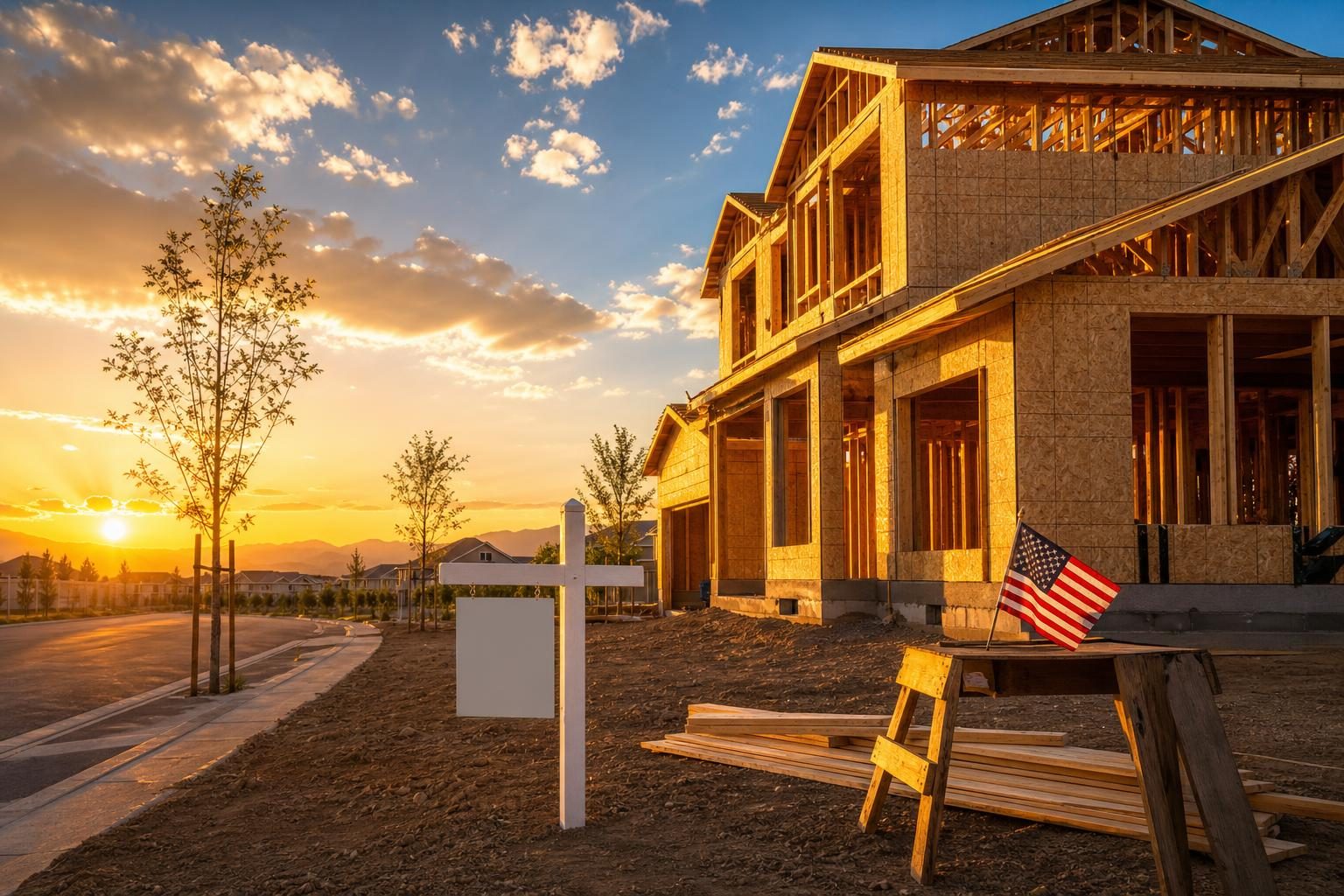
America's homebuilders are more pessimistic than they have been in more than 14 years, and they are cutting prices to prove it.
The National Association of Home Builders/Wells Fargo Housing Market Index fell four points to 25 in November, its lowest reading since April 2012, according to the trade group's monthly survey released Tuesday [1][2]. Any reading below 50 means more builders see conditions as poor than good. Forecasters had expected the index to hold steady at 29, Quartz reported, citing an Econoday survey of economists [2].
Price Cuts and Incentives at Post-Covid Highs
The more telling numbers are what builders are doing to close sales. In November, 46% of builders said they cut prices, the largest share since the pandemic, up from 43% in October, according to NAHB figures reported by CNBC and Quartz [1][2]. The average price reduction held at 6% for an eighth straight month [2]. And 68% of builders offered sales incentives such as mortgage-rate buydowns, also a post-Covid high, marking the 20th consecutive month in which at least six in ten builders used them [2].
Every part of the index weakened. Builders' view of current sales conditions dropped six points to 28, their outlook for sales over the next six months slipped two points to 30, and their gauge of traffic from prospective buyers fell two points to 16 [2][3]. Leaving aside the brief collapse at the start of the pandemic in 2020, NAHB said, that traffic reading is the weakest in about 15 years [3].
The slide has been steady. In October, the index had already fallen three points to 29, then the lowest since June 2012 [2].
What Builders Blame
The cost of borrowing is the first suspect. Freddie Mac's weekly survey put the average 30-year fixed mortgage rate at 7.11% for the week of Nov. 12, down from 7.18% the week before and the lowest in seven weeks, but still well above the 6.24% of a year earlier [4]. On a $400,000 loan, a 30-year rate of 7% means a monthly principal-and-interest payment roughly $260 higher than a rate of 6%, by a standard mortgage calculation, a gap that pushes many young families out of the market.
Builders also point to their own costs. NAHB chief economist Robert Dietz cited building materials pushed higher by tariffs, a persistent shortage of construction workers and excessive regulation that undermines affordability, according to coverage of the release [2][3]. CNBC reported that higher prices for energy, labor and materials, along with weaker consumer confidence, all weighed on the November reading [1]. Bloomberg's headline put the blame squarely on rates [5].
Why It Matters for Your Family
A home is still the main way ordinary Americans build wealth, and a nation that cannot build starter homes is a nation that is quietly telling its young couples to wait to marry, wait to have children and wait to put down roots. That is not a small thing for a country whose strength has always grown from the family and the front porch.
There is a sliver of good news for buyers who can qualify. With nearly half of builders trimming prices and more than two-thirds offering incentives, new-home shoppers have more bargaining power than they have had in years [1][2]. Buyers should ask builders directly about rate buydowns, closing-cost help and upgrades, and compare those offers with what a lender can deliver on its own.
But the larger fix is in policy. Builders have been saying for years that tariffs on materials, slow permitting, heavy regulation and a thin pipeline of skilled tradesmen drive up the cost of every house before a buyer ever walks in the door [3]. Those are problems that governors, state legislatures and Congress can address without a dime of new spending: streamline permits, loosen zoning that bans modest homes, and expand the trade schools that turn out framers, electricians and plumbers.
What Comes Next
The next big test for the market is whether mortgage rates keep easing. Freddie Mac updates its weekly rate survey on Thursdays [4]. Builders will be watching closely, because, as this month's numbers show, they have already done nearly all the discounting they can on their own.
Sources
- [1]Opens in a new tab ↗
- [2]Opens in a new tab ↗
- [3]National Association of Home BuildersNAHB/Wells Fargo Housing Market Index (HMI)Opens in a new tab ↗
- [4]Freddie Mac via GlobeNewswireMortgage Rates Decline for Fourth Consecutive Week to 7.11%Opens in a new tab ↗
- [5]Opens in a new tab ↗
Would you move to another state for lower costs?
- Already did
- Thinking about it
- No, I'm staying put
More in Real Estate & Housing
A Property Tax Revolt Is Spreading: What It Means for Seniors, Young Families and Your Next Bill
Monday night on Home Front with Carlos Mendoza

Portugal's Biggest Housing March Yet Shows What Happens When a Country Stops Building Homes People Can Afford
Saturday night on Home Front with Carlos Mendoza
Why America's Housing Market Is Frozen, and What It Would Take to Thaw It
Friday night on Home Front with Carlos Mendoza
Were you there?
If you were at the scene, or this story touched your life, tell us what you saw and what it was like.
Discussion 0
Sign in or create a free account to join the discussion.
No comments yet. Start the discussion.