Pushback
The Facts Don't Back Up the 'Giveaway' Attack on the Senate's Permitting Bill
Critics call the bipartisan overhaul a handout to polluters and Big Tech, but federal review data and the bill's data center rules tell a different story.
By PRIYA DESAIStaff Correspondent · WASHINGTON · Nov 20, 10:00 PM · 3 min. read
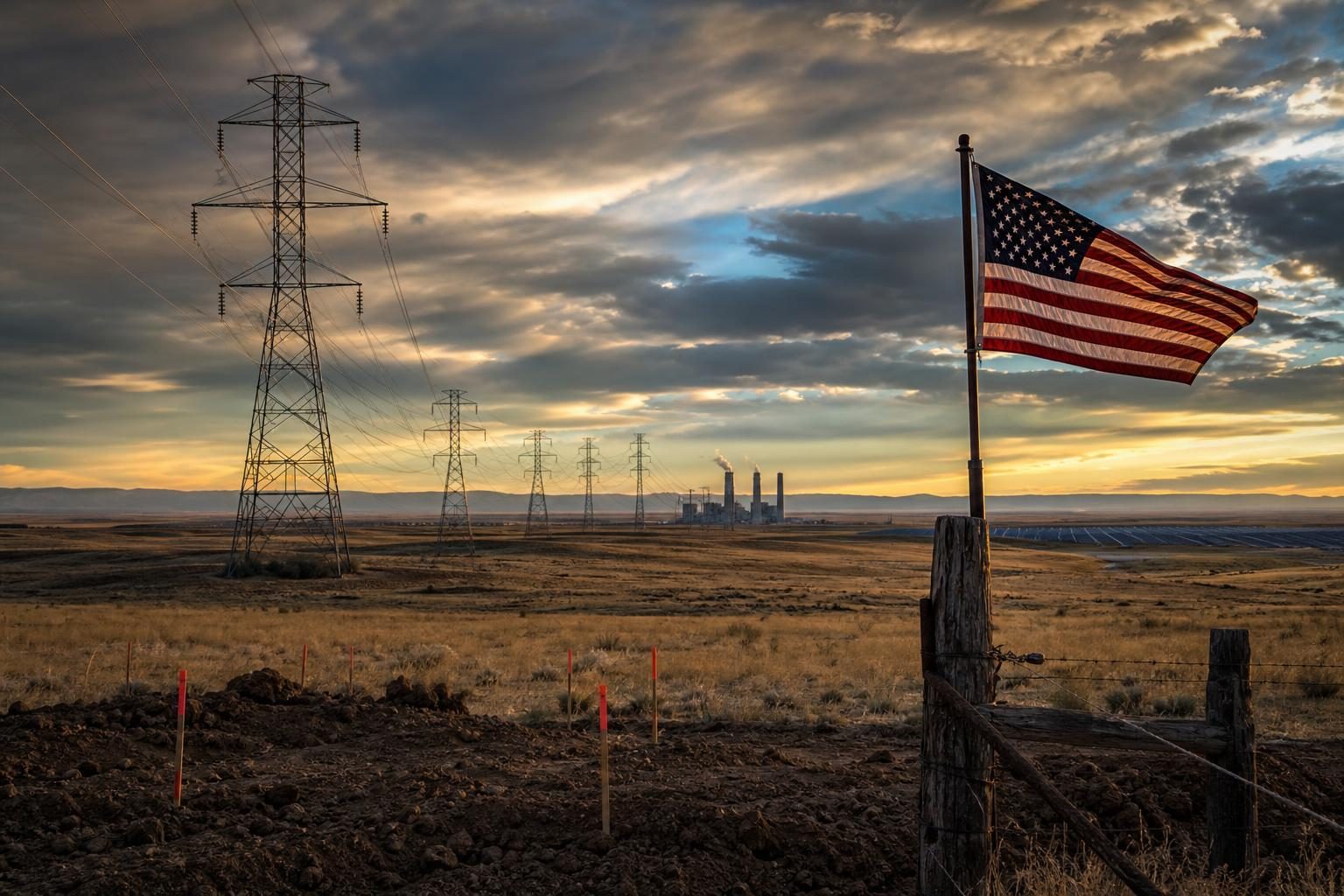
Illustration · Liberty Bell Report
The Senate passed the Bipartisan American Affordability and Jobs Act 62-33 in a late-night vote this week, sending a sweeping permitting overhaul to the House. Nearly every Republican voted yes, and so did more than a dozen Democrats, including Democratic Leader Chuck Schumer.
Not everyone cheered. Common Dreams headlined its report on the vote as Democrats helping Republicans pass a "Giant Giveaway to Big Tech and Polluters". Environmental groups argue the bill weakens long-standing safeguards, and critics say it fast-tracks data center construction and shortens the time allowed for consultation with tribes, according to CBS News. Tribal organizations pressed both chambers to reject the measure outright.
Those concerns deserve a fair hearing, and the tribal objections in particular deserve a serious answer in the House. But the central charge, that this is a handout to polluters and tech giants, does not hold up against the bill's own text or the government's own numbers.
What the Numbers Show
Start with how long it takes to build anything in America. When the White House Council on Environmental Quality reviewed 1,276 environmental impact statements finished between 2010 and 2018, it found the average review took 4.5 years from start to final decision, and a quarter of them took more than six years. That is before a single shovel moves, and before the lawsuits that often follow.
Those years are not free. Every power line, pipeline, mine, bridge and, yes, solar and wind project that waits on paperwork is a project whose costs climb while families wait for the power, jobs and lower bills it was supposed to bring. Delay is not the same thing as protection.
The new bill does not repeal the National Environmental Policy Act or the Clean Water Act. According to CBS News, it puts limits on the scope and duration of reviews under those laws and on how long lawsuits can tie projects up. That is the kind of reform that keeps the rules on the books while ending the practice of using endless process to kill projects that would never lose on the merits.
Big Tech Pays Its Own Way
The charge that the bill is a giveaway to Big Tech has it nearly backwards. Under the bill, new data centers drawing 20 megawatts or more must pay the full incremental cost of the infrastructure built to serve them, CBS News reported. A legal analysis by the law firm Foley Hoag explains that the covered costs reach beyond transmission to new generation, storage and local distribution, and that the bill directs federal energy regulators to rewrite a 1994 policy that let large customers choose the cheaper way to pay. States may even charge those big loads more and credit the surplus back to other customers.
In plain English: if a tech company wants to plug a giant server farm into the grid, it pays for the upgrades, not the retiree down the road or the family checking its electric bill each month. That is why Third Way, a center-left think tank, argued that the measure sets a new standard for data center accountability. When groups on the left and right can agree that the companies driving new demand should cover its cost, that is not a giveaway. It is common sense, and it is fair.
Who Is Pushing Back, and What Comes Next
The vote itself is the strongest rebuttal. Sixty-two senators from both parties backed the bill, a margin that rarely forms around anything in today's Washington. Supporters say faster reviews will help the country build the energy and infrastructure projects that a growing, electricity-hungry economy now needs.
The bill now moves to the House, where a vote is expected the week after next, and Majority Leader Steve Scalise has expressed optimism that Congress will send a bill to the President. Its path there is uncertain, with opposition coming from more than one direction.
House members should take the tribal consultation concerns seriously and fix what needs fixing. But they should not let a slogan decide the matter. Good stewardship of the land God gave us means building carefully and building well. It does not mean never building at all, and it does not mean asking working families to pay for other people's delays.
Sources
- Common Dreams: 15 Senate Democrats Help Republicans Pass 'Giant Giveaway to Big Tech and Polluters' (link)
- Yahoo News: Despite Strong Tribal Opposition, U.S. Senate Approves BAAJA in Late-Night Vote (link)
- CBS News: Senate passes bipartisan permitting reform bill designed to boost energy projects (link)
- Council on Environmental Quality: Environmental Impact Statement Timelines (2010-2018) Fact Sheet (link)
- Foley Hoag: BAAJA Blast Part 3: Data Centers and Large Loads Under the Senate Permitting Bill (link)
- Third Way: BAAJA Sets a New Standard for Data Center Accountability (link)
— 30 —