Pushback
America Already Tried a Windfall Tax on Oil. The Record Says Don't Do It Again
The U.N. chief wants governments to tax energy companies' war-driven profits, and a Democratic bill to do it is waiting in Congress. History from Washington and the North Sea shows who really pays.
By SIENNA VANCEStaff Correspondent · CALIFORNIA · Nov 13, 6:39 PM · 4 min. read
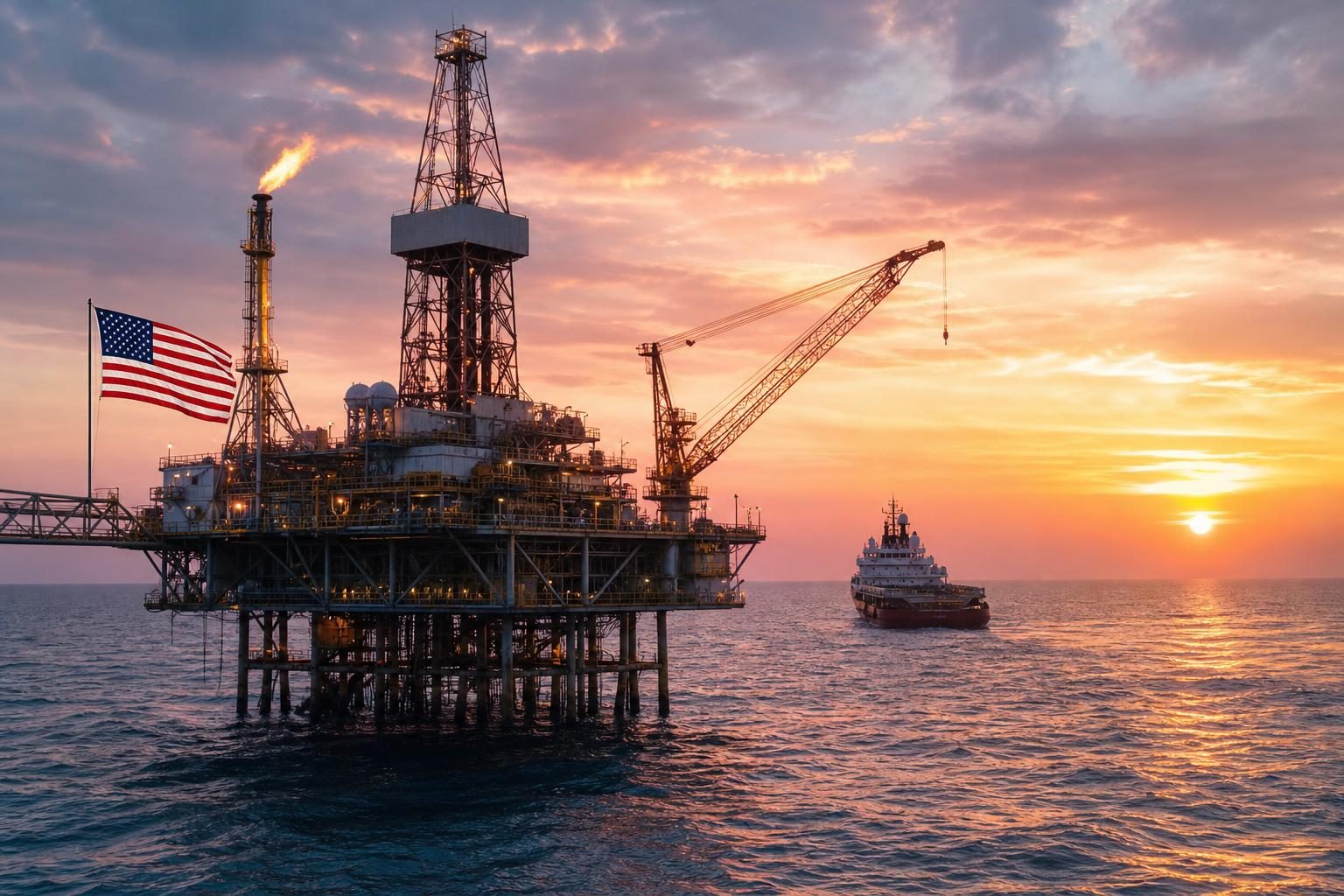
Illustration · Liberty Bell Report
United Nations Secretary-General António Guterres has revived one of the left's favorite answers to high energy prices: tax the oil companies. As the Los Angeles Times reported, Guterres argued during the COP31 climate talks that energy-sector profits that swelled alongside global conflicts are "morally unjustifiable" and should face additional taxes, with the money going to climate measures. Bloomberg reported Friday that the five oil supermajors are on track for their second-most profitable year ever, and that those war-driven earnings have brought calls for windfall taxes back to life.
The idea has an American version, too. In March, Sen. Sheldon Whitehouse of Rhode Island and Rep. Ro Khanna of California reintroduced the Big Oil Windfall Profits Tax, which would put an extra per-barrel charge on the largest oil producers and importers when prices spike and send the proceeds back to households as rebates. It has not passed, but nothing stops its sponsors from pushing it again when the new Congress convenes in January.
The frustration behind the push is understandable. But anger is not a policy, and the record on windfall taxes is not a matter of opinion. It has been written twice, once in Washington and once in the North Sea.
America Already Ran This Experiment
Americans don't have to guess how a windfall profits tax works, because Congress passed one in 1980. The Crude Oil Windfall Profit Tax was sold as a revenue gusher. According to a review by the Congressional Research Service, Congress's tax scorekeepers projected roughly $393 billion over the decade, while the tax actually raised about $80 billion in gross revenue, and far less once income-tax offsets were counted.
The bigger problem was what it did to American energy. CRS found the tax may have cut domestic oil production by between 3 and 6 percent and raised oil imports by between 8 and 16 percent, leaving the country more dependent on foreign oil, not less. By 1987 and 1988 it was bringing in little or no money, and Congress repealed it in 1988, with CRS noting it had become an administrative burden on the government and a compliance burden on the industry.
That is the common-sense problem at the heart of every windfall tax. A tax that lands only on American barrels makes American barrels more expensive to produce. Producers in other countries, some of them no friends of the United States, are happy to fill the gap. In the middle of a confrontation with Iran, a law that rewards imports and penalizes the crews working in Texas, North Dakota and the Gulf of America would be a gift to the wrong people.
Britain Is Living the Sequel
For a modern case study, look across the Atlantic. Britain imposed its Energy Profits Levy in 2022, and the headline tax rate on North Sea oil and gas profits now stands at 78 percent. The energy consultancy Wood Mackenzie found that no exploration wells were drilled in British waters in 2025, the first year without fresh exploration since oil and gas were found there in the 1960s, and the industry blames the levy for speeding the decline. Investment in the basin was expected to fall by roughly 40 percent, to about £2.5 billion.
The human cost is now the center of the debate. In September, a North Sea Transition Taskforce report warned that the basin's decline threatens a workforce of about 115,000 people and urged the government to scrap the levy early and move to a replacement tax years ahead of schedule. London has so far insisted the levy will run until 2030. A tax meant to punish big companies has instead left skilled workers wondering whether their industry has a future.
There is nothing shameful about a company earning a return when it takes the risk of drilling. Profits in a commodity business rise and fall with prices, and no one in Washington offers a "windfall loss" credit when prices collapse.
Who Is Saying No, and What Comes Next
The pushback is already loud where these taxes have been tried. In Britain, the taskforce and North Sea industry groups are pressing the government to end the levy before more jobs and projects disappear. In the United States, the strongest argument against a new windfall tax is the verdict Congress itself delivered in 1988, when it repealed the last one after it underdelivered on revenue and weakened domestic production.
Guterres's call is a recommendation, not a law, and the U.N. cannot tax American companies. Under Article I, Section 7 of the Constitution, any federal revenue bill must start in the House, pass the Senate and be signed by the president, or survive a veto. That gives voters a direct say through the people they just elected.
If the goal is lower prices at the pump, the record points to more American production, not less. The country already tried taxing a price spike away. It got less oil, more imports and a fraction of the promised money. That history deserves a hearing before anyone in Congress tries it again.
Sources
- Los Angeles Times: U.N. chief calls for windfall taxes on 'unjustifiable' energy profits (link)
- Bloomberg: Big Oil's War-Fueled Profits Revive Calls for Windfall Taxes (link)
- Office of Sen. Sheldon Whitehouse: Big Oil Windfall Profits Tax 2026 (link)
- Congressional Research Service: The Crude Oil Windfall Profit Tax of the 1980s: Implications for Current Energy Policy (link)
- Aberdeen Business News: North Sea oil suffers worst year since production began as drillers freeze investment (link)
- World Oil: North Sea oil and gas decline threatens 115,000-job workforce, report says (link)
— 30 —