Business & Economy
Heating Bills Set to Climb 7% This Winter, and Heating-Oil Homes Face a 70% Jump
The average family will pay about $1,002 to stay warm, up $66, while nearly 5 million households that burn heating oil face far steeper increases tied to the Iran war. Falling crude prices offer some hope of relief.
By MARCUS HALEStaff Correspondent · NEW YORK · Nov 13, 8:30 PM · 3 min. read
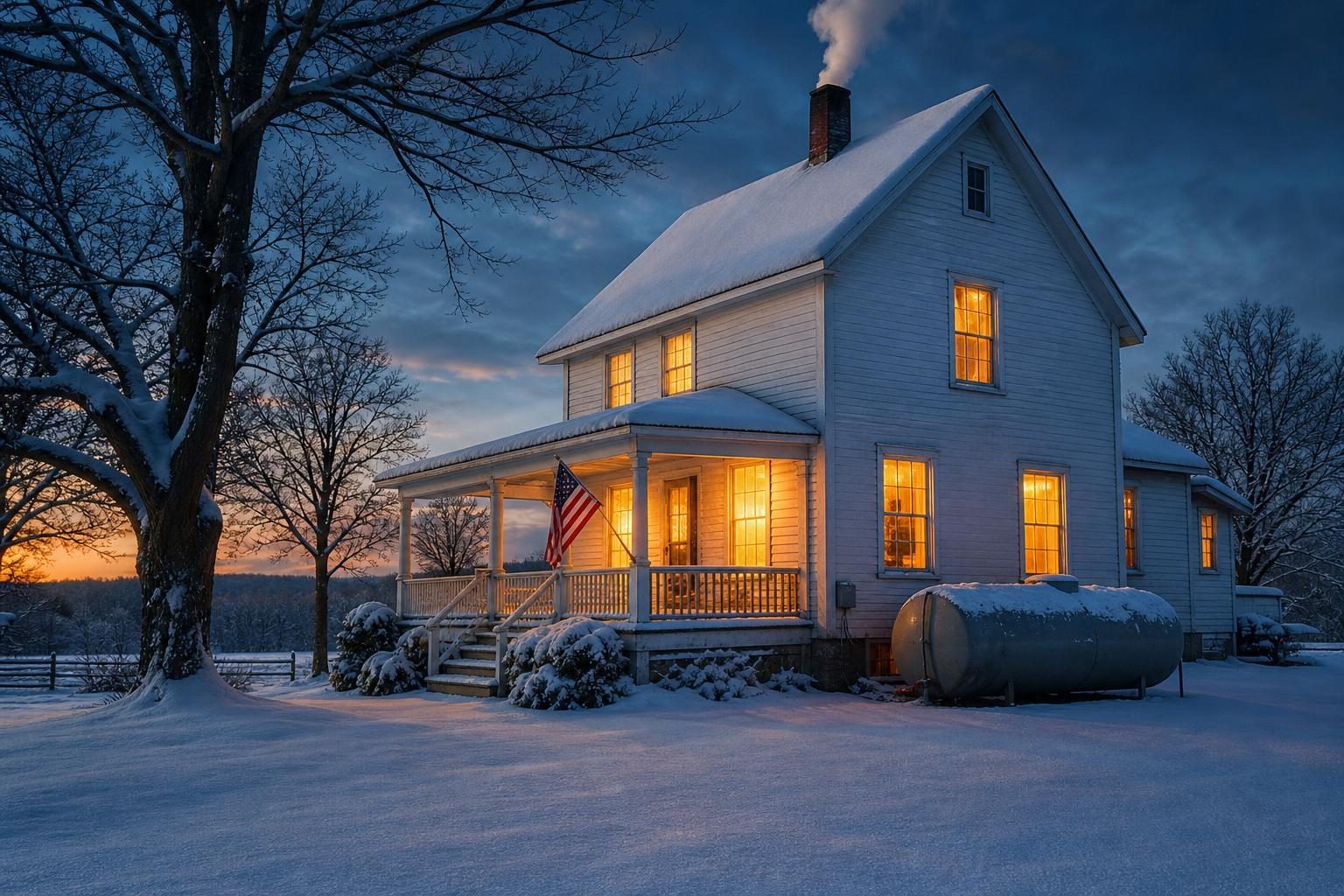
Illustration · Liberty Bell Report
American families already stretched by a year of high prices are about to get another bill they cannot avoid: the cost of staying warm.
The average household will spend about $1,002 to heat its home this winter, up $66, or roughly 7.1%, from last year, according to projections from the National Energy Assistance Directors Association reported by The Hill. The group represents the state officials who run home energy assistance programs.
The national average hides a much harder hit for one group of Americans. People who heat with fuel oil will see increases of around 70%, The New York Times reported, because the war with Iran has sharply reduced the supply of that fuel. Nearly 5 million households rely on heating oil, according to The Guardian, and The Independent put their average increase at $1,228 for the season.
Who Gets Hit Hardest
Heating oil is not a fuel most Americans think about, but for the families who depend on it, it is the difference between a manageable winter and a frightening one. Many households in New York and neighboring states could face the steepest increases, the New York Post reported. For retirees on fixed incomes, a jump that size is hard to absorb, and switching to natural gas or electric heat is rarely possible before the first cold snap.
The pressure is landing at a hard time. The Guardian described the higher bills as part of a growing affordability crisis and reported that advocates are calling on Congress to provide relief. That request now goes to a lame-duck Congress with only weeks left before a new Democratic majority takes over in January.
For a family already juggling groceries, car payments and holiday gifts, an extra $66 is an annoyance. An extra $1,228 is a crisis. It can mean choosing between filling the tank in the basement and paying another bill, or keeping the thermostat at a level that is unsafe for small children and older adults.
Why Prices Jumped, and Why Relief Could Follow
The spike traces back to the war with Iran and the disruption it caused in world energy markets, which hit heating oil especially hard. But crude markets have moved sharply since then. Last week, Brent crude fell 16% and U.S. crude fell 13%, and both were on track Friday for a second straight weekly decline of about 2.5%, Reuters reported. Brent hovered near $95.80 a barrel and U.S. crude near $88.60 late Friday.
Traders pointed to an International Energy Agency report showing a growing global supply surplus and to rising U.S. crude and fuel inventories. If that slide holds, some of the pain built into this winter's forecasts could ease, though it can take time for lower crude prices to reach the delivery truck, and shipping risks around the Strait of Hormuz remain a wild card.
That is the core lesson of this winter. Energy prices are not set by slogans. They are set by supply. When supply is disrupted overseas, families across the Northeast feel it in their living rooms. When American producers, refiners and pipelines can deliver more, prices come down. A country with America's energy resources should not leave its own citizens shivering because of a war on the other side of the world, and the push to expand domestic production and the infrastructure to move it deserves a hearing in the new Congress, not another round of roadblocks.
What Families Can Do Now
Forecasts are not final bills, and households have some room to act. Families who heat with oil or propane can ask their supplier about budget or fixed-price plans before the coldest months arrive, have their furnace or boiler serviced, and seal drafts around windows and doors. Those who are struggling should contact their state's energy assistance office early, before funds are committed for the season.
Neighbors matter, too. Churches, civic clubs and local charities have long helped elderly and low-income families keep the heat on, and this winter they may be needed more than ever. Checking on an older neighbor during a cold snap is a simple act of the kind of love Scripture calls us to show.
The next signals to watch are the oil market's direction through Thanksgiving and whether Congress acts on relief before the new majority arrives in January.
Sources
- The Hill: Heating costs set to rise 7 percent this winter, report says (link)
- The New York Times: Heating Costs Will Rise 7% on Average This Winter (link)
- The Guardian: Average US heating bills to rise 7% this winter nationwide – report (link)
- The Independent: Every American will see heating bills rise 7%, leaving millions at risk this winter (link)
- New York Post: Heating costs will surge this winter due to Iran war — with heating oil prices spiking as much as 70% (link)
- Reuters (via LSE.co.uk): Oil prices set for second straight weekly decline on growing signs of supply surplus (link)
— 30 —