Military & Defense
Pentagon Says NORAD and Intelligence Sharing Stay Intact as Hegseth Tightens Military Ties With Canada
A classified memo reported by The Washington Post narrows parts of the U.S.-Canada defense relationship; the Pentagon says the goal is cooperation that delivers for North American security.
By COLE BRENNANStaff Correspondent · VIRGINIA · Nov 20, 10:00 PM · 3 min. read
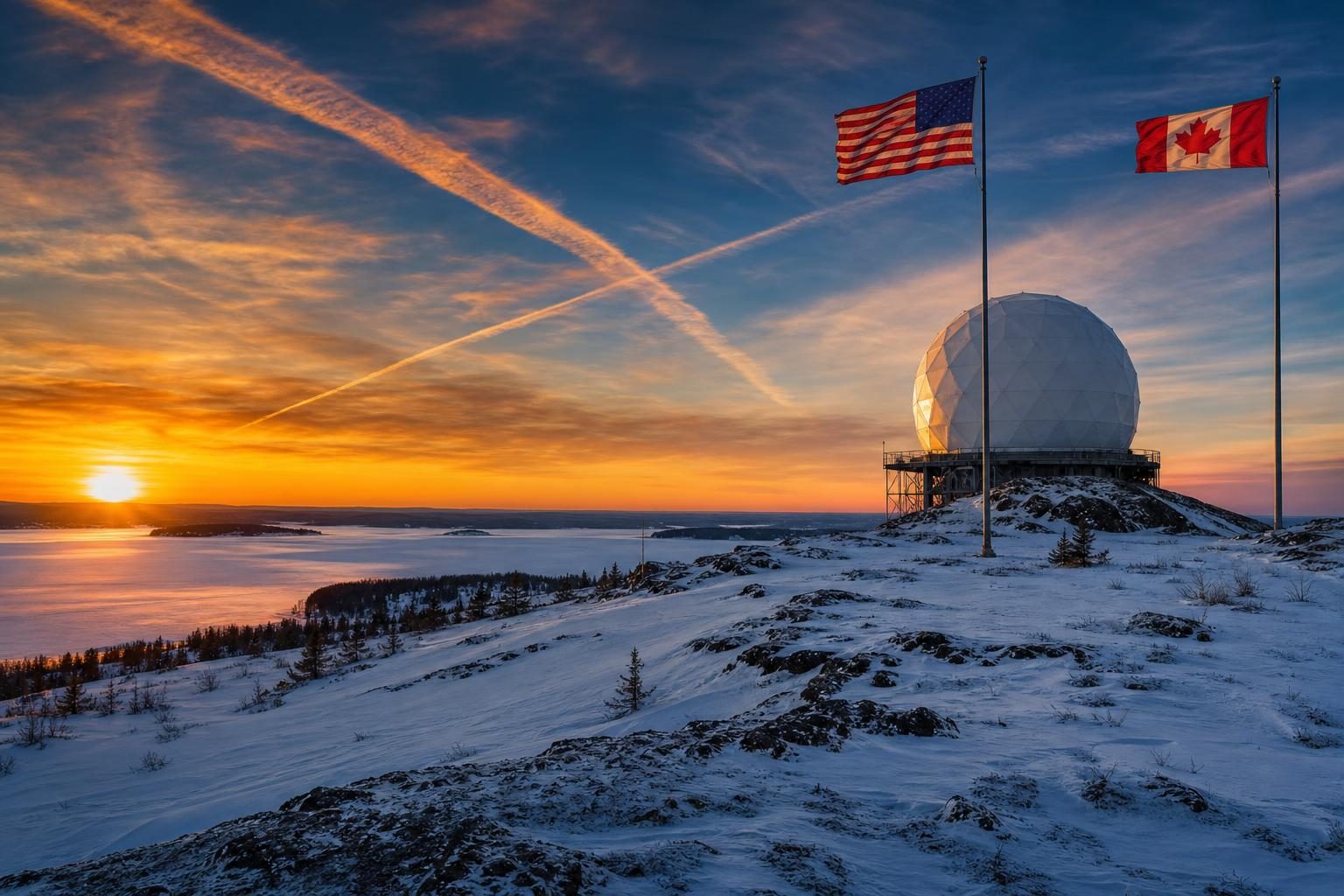
Illustration · Liberty Bell Report
Defense Secretary Pete Hegseth has ordered new limits on parts of America's military relationship with Canada in a classified memo, The Washington Post reported Friday, citing U.S. officials. Reuters, which carried the Post's account, said the directive was issued last week.
The Pentagon's answer came quickly and was clear on the point that matters most to Americans: the shield over North America is not changing. Pentagon spokesman Sean Parnell said the department is focused on cooperation that strengthens the defense of North America and helps Canada meet its NATO commitments, and that the memo will not alter intelligence sharing or the joint work done through NATO and NORAD, according to Reuters.
What the Memo Does, and What It Does Not
Because the memo is classified, its exact terms have not been made public, and the department has not said which programs, exercises or channels of coordination are affected. The Post described the directive as another turn in the administration's running dispute with Ottawa and quoted one U.S. official who said Canadians would likely see it as a "slap in the face".
The White House referred questions to the Pentagon, and the Canadian Embassy in Washington did not respond to a request for comment, Reuters reported.
What has been said on the record points to a narrower story than the early headlines suggest. NORAD, the binational command that has watched the skies over both countries since the Cold War, keeps working. Intelligence sharing between the two allies keeps flowing. And the alliance framework of NATO stays in place. The Pentagon's emphasis, Parnell indicated, is on making sure the partnership delivers concrete results for American security.
The Burden-Sharing Backdrop
The memo lands amid a long argument over burden-sharing. The Pentagon has accused Ottawa of failing to make enough progress toward its defense commitments, according to coverage of the Post's report.
There is real movement to point to. In March, Prime Minister Mark Carney announced that Canada had reached NATO's benchmark of spending 2 percent of its economy on defense in the 2025-26 fiscal year. Bloomberg reported that it was the first time in decades that Canada had hit the mark. Carney himself has said the country will need to spend more, and NATO allies have agreed to a far higher target for 2035.
That progress came as Washington pressed every ally to spend more, and it is a reminder that firmness with friends can produce results that years of polite communiques did not. A partnership in which one side pays for most of the protection is not a partnership the American taxpayer should be asked to sustain forever.
Why It Matters
For the families of American service members, the practical question is whether this change makes the homeland less safe. Nothing in the record so far suggests it does: the Pentagon says the core defenses of the continent and the flow of intelligence are untouched. For Canadians, the memo is a signal that the relationship will be judged by what each side contributes.
Critics will argue that tough treatment of a close neighbor risks fraying a friendship that has served both nations well, and the Post's sources plainly worry about that. That concern is fair, and it is worth remembering that Americans and Canadians have fought side by side in two world wars and beyond. But friendship between nations, like friendship between people, is strongest when both sides keep their word.
Lawmakers in both countries will want to know which activities the memo covers, and Ottawa has yet to give its answer. The bigger test will be whether Canada keeps raising its defense spending toward the new alliance target, and whether the two governments can turn a tense moment into a stronger, fairer arrangement for defending the continent they share.
Sources
- The Washington Post: Secret Hegseth memo restricts U.S.-Canada defense relationship (link)
- Reuters (via Yahoo News): US Defense Secretary Hegseth restricts military ties with Canada, Washington Post reports (link)
- Yahoo News: Hegseth Secret Memo Restricts US-Canada Military Ties (link)
- Prime Minister of Canada: Prime Minister Carney announces Canada has achieved NATO 2% defence spending target (link)
- Bloomberg: Canada Spends 2% of GDP on Defense For First Time in Decades (link)
— 30 —