
 Today on Command Post with Dan Whitaker
Army Opens Nine Bases to Power Plants, Data Centers
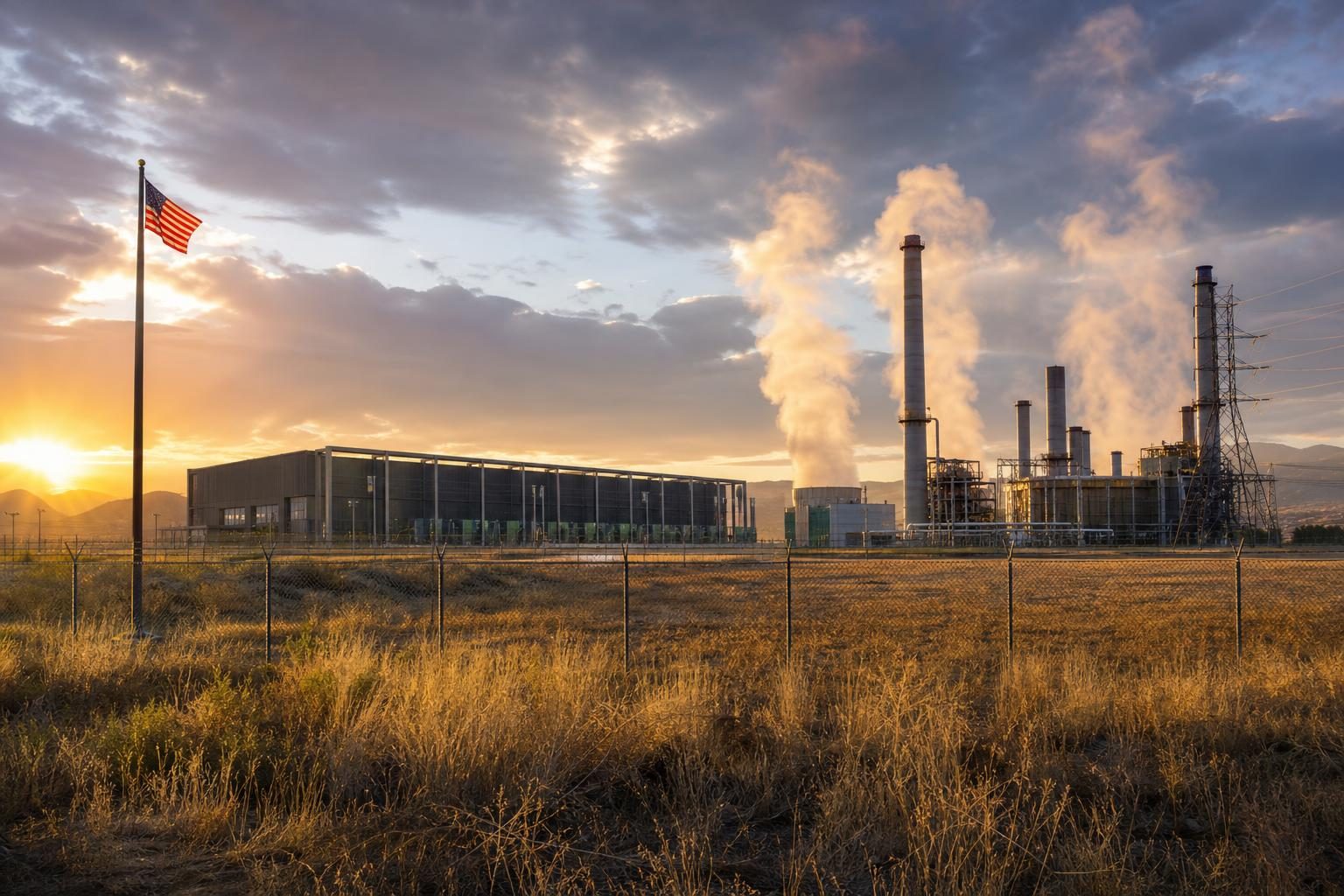
A new Army solicitation invites private developers to build power generation, with data centers as an option, on land at nine installations from Washington state to Alabama.
Filed November 24, 2026 · 📍 WA 98501
Were you there? Share your story
Key points
- A Nov. 20 Army solicitation offers land at nine installations for private power plants, with data centers as an option.
- The Army prefers power-plus-data-center projects and will not consider data-center-only proposals.
- The sites include Fort Bragg, Fort Hood, Joint Base Lewis-McChord and six others; leases start at 25 years.
- A veterans group wants a pause on data centers on public lands; the Army promises talks with base families.
The Army is offering land at nine of its installations to private developers who will build new power plants there, with data centers allowed as an add-on, the Washington Examiner and Military.com reported [1][2].
The solicitation, dated Nov. 20, is a request for proposals for enhanced use leases, a tool that lets the military rent out land it isn't fully using in exchange for value to the base [2][3]. The Army wants power first. Developers may propose power generation alone or power paired with a data center, the Army prefers projects that do both, and proposals for a data center by itself will not be considered [2].
The nine bases
The sites on offer are Joint Base Lewis-McChord in Washington, Fort Bragg in North Carolina, Fort Hood in Texas, Fort McCoy in Wisconsin, Fort Rucker in Alabama, Blue Grass Army Depot in Kentucky, Pine Bluff Arsenal in Arkansas, Tooele Army Depot in Utah and Sierra Army Depot in California [2]. The leases would start with a 25-year term [2].
The offer is not a promise. Nothing in the solicitation means any of the nine installations will actually get a data center, Military.com noted [2].
Part of a bigger push
The military began opening its land to data center builders about two years ago and has sped up over the past six months; by July, at least a dozen Army and Air Force bases had opened land for such projects, the Examiner reported [1]. The Army has already made conditional picks at two sites: Carlyle for about 1,384 acres at Fort Bliss, Texas, and CyrusOne for about 1,201 acres at Dugway Proving Ground, Utah [2][5].
The idea is simple. America is in a race with China to build the computing power behind artificial intelligence, and that race runs on electricity. Bases need power that keeps flowing when the civilian grid fails, and private developers need land and security. Putting new generation inside the fence line serves both, and the companies, not taxpayers, are responsible for financing, building and running the projects [5].
The pushback
Not everyone is on board. A new group called Veterans for Public Lands, led by a retired Army general, is calling for a pause on data centers on federal public lands until safeguards are in place [2]. Army leaders have said they have watched the public outcry over civilian data centers and want to get ahead of it, including with roundtables and open houses for families who live on the affected bases [4].
That is the right instinct. Military families deserve a say in what gets built next door, and the Army will have to show that new power plants make bases stronger, not noisier or more expensive to live on. If it does, the soldiers at Fort Bragg and Fort Hood may end up with something every base commander wants: power that never goes out.
Sources
Should U.S. military aid to Israel end early?
- Yes, Israel can afford its own weapons
- Phase it out slowly
- No, keep it while Iran is a threat
More in Military & Defense

China's Ford-Size Nuclear Carrier Nears Launch at Dalian, a Wake-Up Call for America's Shipyards
This morning on Command Post with Dan Whitaker
MI5 Warns Ukraine Suppliers: Russia May Strike
This morning on Border Watch with Cole Brennan

Pentagon Courts GM, Ford for a Drone Surge
This morning on Command Post with Dan Whitaker
Were you there?
If you were at the scene, or this story touched your life, tell us what you saw and what it was like.
Discussion 0
Sign in or create a free account to join the discussion.
No comments yet. Start the discussion.