
 Tonight on The Power Grid with Priya Desai
Nearly 99% Sent Back: Report Details How $12.26 Billion in Venezuelan Oil Money Moved Under U.S. Watch
An accounting by KPMG, released by the State Department, shows most of the cash from Venezuelan crude sales since Maduro's removal went back to Venezuela to steady its currency, with every payment cleared by American officials.
Filed November 12, 2026 · 📍 Miami, FL 33130
Were you there? Share your story
Key points
- KPMG counted $12.26 billion in Venezuelan crude, gold, mineral and fertilizer sales deposited from Jan. 3 through Sept. 30.
- About $11.7 billion went to support the bolivar through currency auctions; about $130 million paid Venezuela's foreign bills.
- Each disbursement needed sign-off from State Department and Treasury officials, and oil buyers were vetted for sanctions compliance.
- Democrats, who take control of Congress in January, have promised more oversight of the account.
The Trump administration says it has sent back almost 99% of the money raised from selling Venezuelan oil since Nicolás Maduro was removed from power in January, according to a State Department report released Thursday and described by the Associated Press [1][4].
The report, prepared by the accounting firm KPMG, put sales of Venezuelan crude, along with smaller amounts of gold, minerals and fertilizer, at $12.26 billion, the AP reported [1]. As of Sept. 30, the end of the federal budget year, $168.6 million remained in an escrow account managed by the Treasury Department [1].
How the Account Works
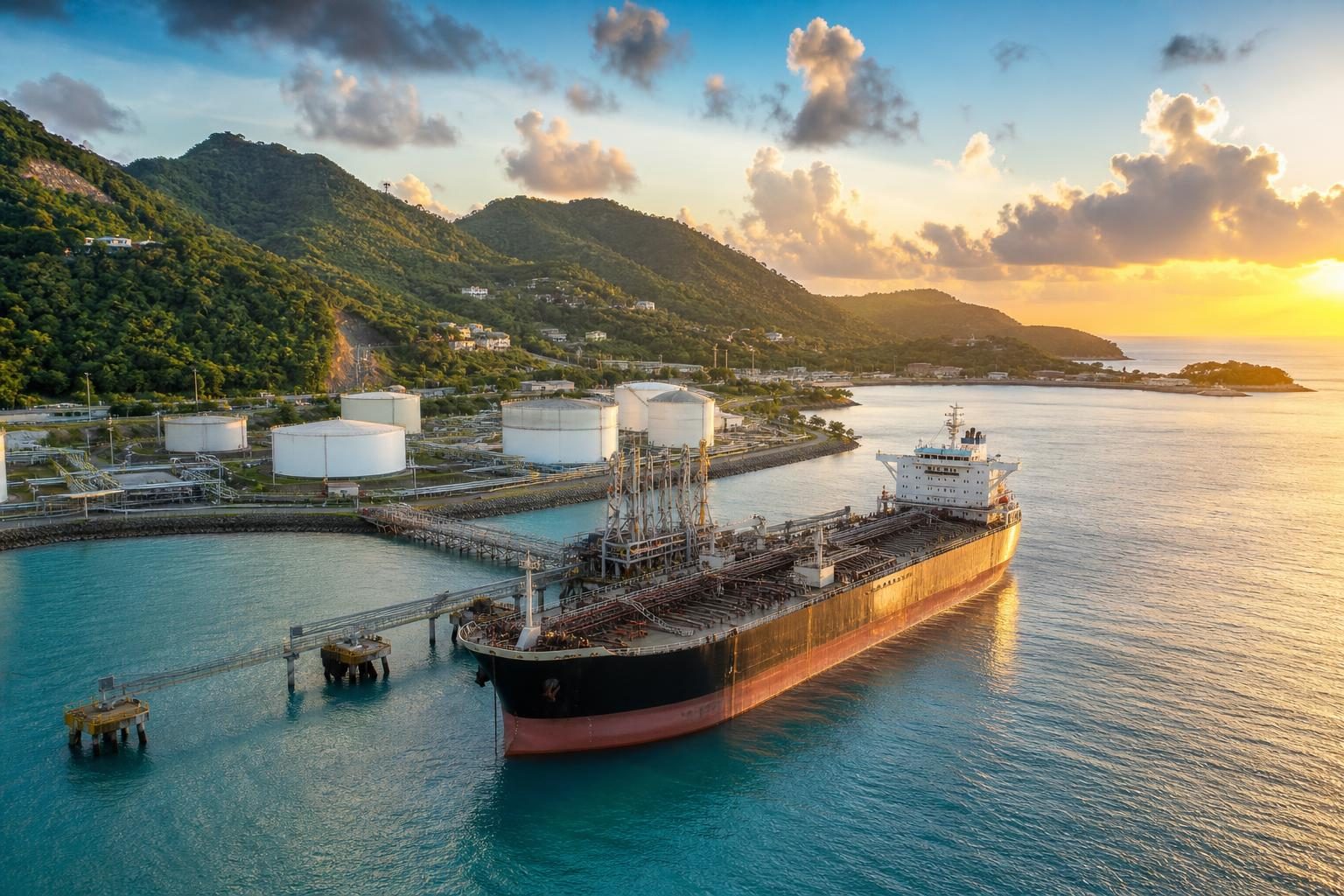
Under a broad energy deal with Venezuela's interim authorities, the country's crude is sold on the open market and the proceeds go into an account managed by the United States, the AP reported [1]. Venezuelan officials then ask for money to be released for infrastructure and humanitarian needs [1].
The New York Times, which reviewed the KPMG report earlier this week before its public release, reported that the Treasury set up what is called the Venezuela Custody Account [2]. It was first based in Qatar and moved to Citibank in New York in late January [2]. "The U.S. government established custodial control over Venezuelan natural resources revenue deposits," the report states, according to the Times [2].
The process has guardrails. Venezuela's central bank requests funds, and U.S. officials disburse them only after checking that each request meets financial-integrity standards, with every transaction signed off by officials from the State Department and the Treasury, the Times reported [2]. The account received deposits starting Jan. 3, the date of the American military intervention, and earned about $12 million in interest through September [2][3].
Where the Money Went
Most of the money went straight back into Venezuela's economy. About $11.7 billion was used to support the bolivar, Venezuela's currency, through foreign-exchange auctions run by commercial banks, according to the Times and NJ.com [2][3]. The AP reported that most of the funds reached individuals and businesses in Venezuela through those bank transactions [1].
About $133 million went directly to pay for Venezuelan government services or supplies, the AP reported [1]. Approved payments included $5 million to the Miami-based law firm Greenberg Traurig, nearly $24 million for dialysis and coal-mining equipment, and $8.7 million to settle Venezuela's vaccine debts with the Pan-American Health Organization [1].
The oil itself is moving through major traders. Trafigura and Vitol accounted for 61% of deposits through September, the Times reported [2]. The names of the 20 companies that bought Venezuelan oil and gold in the first nine months of the year were redacted, but each had to be vetted by the U.S. government for compliance with sanctions and money-laundering rules, which the AP called a sharp break from past practice [1].
Not every export runs through the account. Chevron and a local producer called NABEP use different arrangements, and much of Venezuela's gold still flows informally to the Middle East, the Times reported [2]. Under a separate deal, NABEP began sending oil to the United States last month, giving the U.S. government 35% of its shares and 20% of its production at below-market prices [2][3].
Why It Matters
For energy markets and for American taxpayers, this is a story about bringing honest bookkeeping to Venezuela's oil wealth. Secretary of State Marco Rubio has said repeatedly that most of Venezuela's oil revenue was lost to corruption and foreign middlemen before Maduro's removal, and the Times reported that its own reporting supports some of those claims [2].
The figures released Thursday answer the basic question Democrats in Congress have pressed: where did the money go [2]? It did not stay in Washington. Nearly all of it went back to the Venezuelan people and their economy, under rules that require American officials to approve each payment and require oil buyers to clear sanctions checks [1][2].
That does not end the questions. The KPMG report does not name the final beneficiaries of the currency auctions, and earlier Times reporting found that a large share of those dollars goes to a small group of agribusinesses and consumer companies [2]. The Treasury, State Department, KPMG and Venezuela's government did not respond to the Times' requests for comment [2].
What Comes Next
Democratic lawmakers have repeatedly promised more transparency and accountability for the account, and they will gain new oversight power in January after winning control of both chambers of Congress [2]. Publishing the full accounting, as the State Department has now done, is the right way to meet that scrutiny head-on [1].
For a hemisphere that watched Venezuela's oil wealth squandered for a generation, honest books and a currency that can hold its value are worth more than any speech. The test now is whether that discipline lasts long enough for Venezuelans to feel the difference at the grocery store and the gas pump.
Sources
- [1]Associated Press (via KSL.com)US returns over $12 billion in oil proceeds to Venezuela since Maduro's ouster, report saysOpens in a new tab ↗
- [2]The New York Times (via The Philadelphia Inquirer)U.S. received $12 billion in Venezuelan oil revenues, secret report showsOpens in a new tab ↗
- [3]NJ.com (via Yahoo News)A secret report offers new details about $12 billion in Venezuelan oil revenueOpens in a new tab ↗
- [4]The IndependentUS returns over $12 billion in oil proceeds to Venezuela since Maduro's ouster, report saysOpens in a new tab ↗
Should Congress speed up permits for pipelines and power plants?
- Yes, build more American energy
- Yes, but respect tribal and local input
- No, keep environmental reviews
More in Energy & Environment
Ukraine's Drones Knock Out Nearly a Third of Russia's Refining Capacity as Peace Talks Resume
Today on The Power Grid with Priya Desai

Gas Heads Toward $3.60 for Thanksgiving as Saudi Output Surges, but Burning Tankers and a Siberian Refinery Strike Keep Oil on Edge
This morning on The Power Grid with Priya Desai

Trump's Interior Plan Would Let States, Tribes and Towns Buy Federal Land, Reviving an Old Western Fight
Last night on Hollister Tonight with Jack Hollister
Were you there?
If you were at the scene, or this story touched your life, tell us what you saw and what it was like.
Discussion 0
Sign in or create a free account to join the discussion.
No comments yet. Start the discussion.