
 Today on The Power Grid with Priya Desai
Baghdad Moves to Seize Kurdish Oil Fields, Border Posts
Iraq's prime minister orders federal control of northern oil fields and Kurdish-run crossings after a smuggling probe, and Kurdish leaders call it completely unacceptable.
Filed November 24, 2026 · 📍 Washington, DC 20001
Were you there? Share your story
Key points
- Iraq's prime minister ordered the Oil Ministry to run fields in Diyala, Kirkuk, Salahuddin and Nineveh.
- Federal authorities are to take over all border crossings in the Kurdish region.
- The order followed an oil smuggling investigation and several firings.
- Kurdish Prime Minister Masrour Barzani called the moves unacceptable but kept talks open.
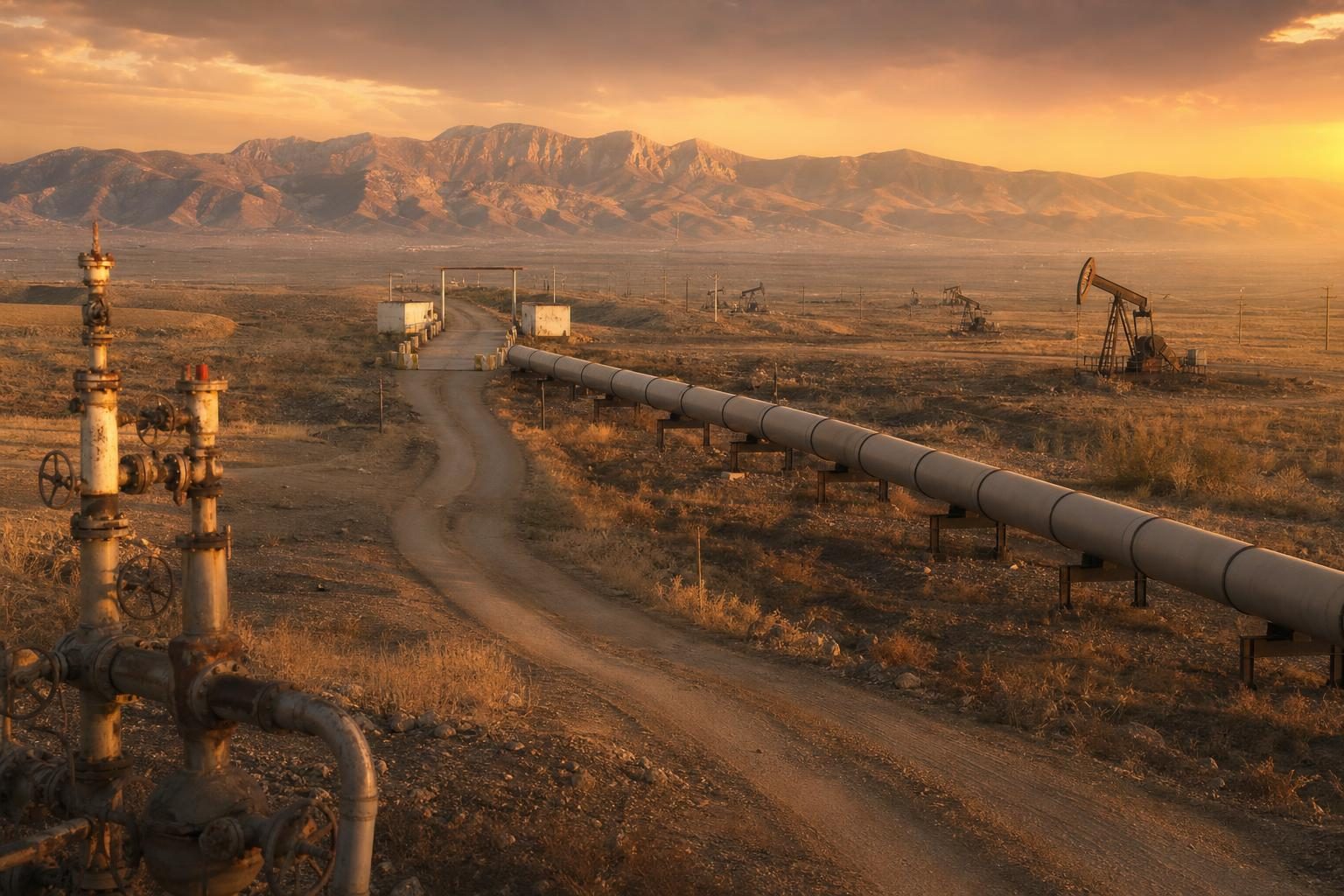
Iraq's federal government is moving to take control of oil fields and border crossings long run by Kurdish authorities in the north, setting up a fresh clash between Baghdad and the Kurdistan Regional Government. Prime Minister Ali al-Zaidi ordered the Oil Ministry to manage oil fields in Diyala, Kirkuk, Salahuddin and Nineveh provinces, according to a statement from his office reported by Al Jazeera on Tuesday [1]. The fields lie outside the Kurdistan Region's official administrative borders [1][2].
Al-Zaidi also directed the federal border crossings authority to take over all crossings in the Kurdish region, and told the regional government it may export crude oil and petroleum products only through the federal Oil Ministry, Turkish Minute reported [5]. Under the order, the Border Ports Commission would assume control of the crossings and the Border Forces Command would close unofficial crossings along Iraq's international borders [5].
A Smuggling Probe Behind the Order
The decision followed an investigation into oil smuggling. Earlier this month, al-Zaidi sent an investigative committee to northern Iraq, according to Al Jazeera and The Jerusalem Post [1][3]. Alongside the takeover, the prime minister dismissed the head of the border crossings authority, suspended the director general of the North Oil Company and removed several security officials in Kirkuk, The Times of Israel reported [2].
Erbil Pushes Back
Kurdish leaders were caught off guard. Masrour Barzani, prime minister of the Kurdistan Region, called the measures "completely unacceptable" and said his government was surprised by them, The Times of India reported [4]. Barzani also said talks with Baghdad would continue and that the door remains open to an agreement on the issues dividing the two sides [4][5]. The government statement did not say when or how the takeover would be carried out, according to The Times of Israel [2].
Why It Matters at the Pump
Iraq ranks among the world's largest oil producers, and any fight over who controls its northern fields and export routes can ripple into global markets. That risk carries extra weight right now. CBS News reported that oil prices have been sliding even as Iran keeps attacking tankers near the Strait of Hormuz in a war with no deal in sight [6]. A new standoff in northern Iraq is one more pressure point on a supply picture already stretched by conflict.
It matters for another reason too. Iraq's Kurds fought alongside American troops against the Islamic State and have been among Washington's most dependable partners in a dangerous neighborhood. Smuggling that bleeds Iraq's treasury deserves to be stopped, and a sovereign government has every right to control its borders. But how Baghdad does it counts. A lawful settlement that ends black-market oil sales without humiliating a loyal ally would serve Iraqis, Kurds and Americans alike.
What comes next will depend on whether the talks Barzani promised produce a deal before federal forces try to put the order into effect. Watch for the timetable Baghdad has not yet given, and for any word from Washington on how its two partners should settle the dispute.
Sources
Should Congress speed up permits for pipelines and power plants?
- Yes, build more American energy
- Yes, but respect tribal and local input
- No, keep environmental reviews
More in Energy & Environment
Factories Are Footing the Bill for the AI Boom's Power Hunger. The Answer Is to Build More Power Plants
This morning on The Power Grid with Priya Desai
Europe Shivers, America Supplies: Gas Prices Jump on a Long Cold Snap While U.S. Stays Awash in Cheap Fuel
This morning on The Power Grid with Priya Desai
China and India on Pace for Record Russian Oil Haul
This morning on The Power Grid with Priya Desai
Were you there?
If you were at the scene, or this story touched your life, tell us what you saw and what it was like.
Discussion 0
Sign in or create a free account to join the discussion.
No comments yet. Start the discussion.