
Tonight on Fight Night with Jessie Calhoun
Turning Up the Power: NASCAR Lifts Cup Horsepower to 750 at Intermediate Tracks for 2027 and Plans an 800-Horsepower Test for the All-Star Race
The Coca-Cola 600 will be the first race with the bigger engine package, and if the North Wilkesboro experiment works, 800 horsepower could come to every short track and road course.
Filed November 22, 2026 · 📍 Charlotte, NC 28202
Were you there? Share your story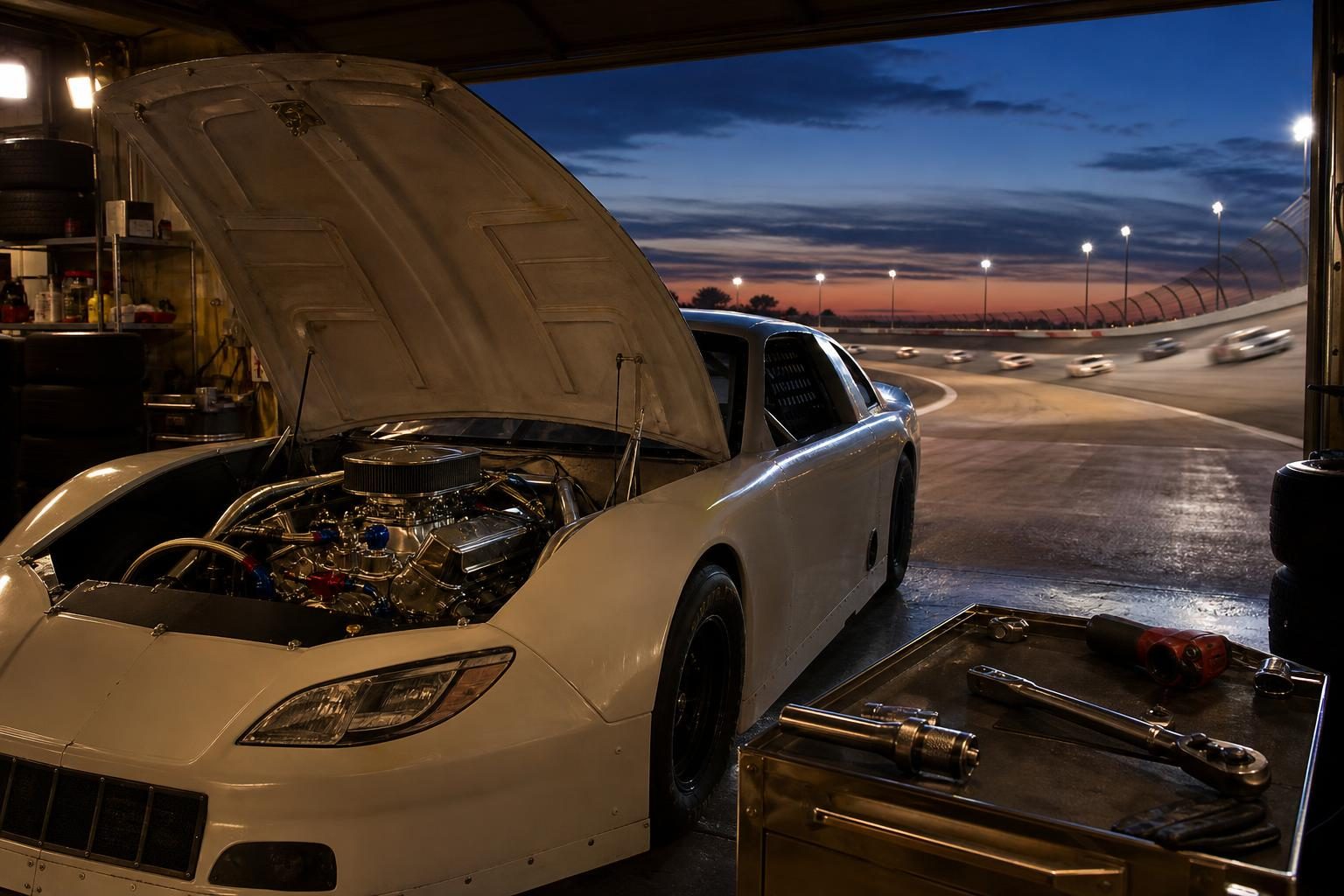
Key points
- Target horsepower at intermediate tracks rises from 670 to 750, starting with the Coca-Cola 600 on May 30
- An experimental 800-horsepower package will be tried at the All-Star Race at North Wilkesboro
- If approved, 800 horsepower could reach all Cup short tracks and road courses starting with the second Bristol race
- Other changes: no splitter stuffers on short tracks and road courses, a clarified yellow-line rule and more sealed-engine races
Race fans have been asking for it for years, and on Friday NASCAR delivered at least part of the answer. The sanctioning body announced a horsepower increase and a package of sporting and technical rule updates for the 2027 Cup Series season, the biggest change aimed at the intermediate tracks that make up a large share of the schedule [1][6].
Target horsepower at intermediate-sized tracks will rise from 670 to 750, starting with the Coca-Cola 600 on May 30 at 1.5-mile Charlotte Motor Speedway, NBC Sports reported [2]. The stated goal is better racing on the type of track where drivers and fans have complained the most about cars that are hard to pass [2].
The 800-Horsepower Test
The headline number for many fans is 800. NASCAR plans an experimental 800-horsepower package for the All-Star Race at North Wilkesboro Speedway, according to Racing News [3]. That race will serve as a test run rather than a permanent switch.
If the industry is comfortable with how it goes, NASCAR may raise power to 800 for every Cup Series short track and road course, starting with the second Bristol race of the season [3]. That decision will come after the sanctioning body and the engine builders study the results, so nothing is guaranteed beyond the All-Star weekend [3].
The caution makes sense. Engines are among the most expensive parts of a Cup program, and any jump in power touches everything from durability to cost for the teams. Testing it in a non-points race first is the responsible way to do it.
The Rest of the Rulebook
The horsepower news came with a long list of other changes. NASCAR will remove splitter stuffers at all short tracks and road courses, and it is eliminating minimum damper-length restrictions, which gives crew chiefs more room to work on their setups [4].
The double-yellow-line rule at the superspeedways is also getting a clarification after the debate over Kyle Larson's winning move at Talladega [4][5]. The new language is meant to spell out exactly where the boundary is, so drivers and fans are not left arguing about it after the checkered flag [5].
Engines will carry a bigger load, too. The minimum number of points races run with sealed engines rises from 17 to 20 for full-time Cup teams [4].
Qualifying at Daytona and Talladega will use a qualifying-specific setup that should bring speeds back to around 200 mph on the big tracks [5]. NASCAR also clarified how wet-weather tire decisions will be made, and it spelled out the points consequences for a team that misses a race without approval [5].
The lower series are not left out. Racing News reported that an L3 penalty option is being added for the O'Reilly Auto Parts Series and the FedEx Freight Truck Series, giving officials a stiffer tool for the most serious violations [3].
Jessie's Take
I have stood in enough garages to know that drivers want one thing above all: a car that is a handful. When there is more power than grip, the driver has to manage the throttle, save the tires and earn every pass. That is the kind of racing that built this sport on Saturday nights at short tracks across the South and the Midwest.
Going from 670 to 750 at places like Charlotte is a real step. It will not turn the clock back to the old days overnight, but it tells fans that NASCAR is listening. The 800-horsepower test at North Wilkesboro is the part I will be watching most closely. If it produces the kind of side-by-side racing the old track is known for, the pressure to bring it to Bristol, Martinsville and the road courses will be hard to resist [3].
The rulebook cleanup matters as well. Nobody wants a championship-shaping finish decided by a fuzzy line on the track. Clear rules, written in plain language and enforced the same way for everybody, are good for drivers, good for teams and good for the fans in the grandstands who pay to watch [4][5].
There is also something to admire in how NASCAR is handling it. Instead of promising the moon, it is testing, gathering data from the teams and engine builders, and then deciding [3]. That is how you protect the small teams that cannot afford to rebuild their programs on a whim.
The 2027 season is still months away, and the full schedule of tests and team reactions will fill the winter. For now, the message from the sanctioning body is simple: more power is coming, and maybe a lot more [1][2][3].
Sources
Should athletes keep politics out of the game?
- Yes, just play
- They can speak off the field
- They have every right to speak out
More in Sports

No Giannis, No Shai, No Problem for Bam: Adebayo's Triple-Double Carries the Heat Past the Short-Handed Thunder, 123-113, for Seven Straight
Tonight on Full Court with Bianca Torres

Seven Lead Changes, Four Turnovers, One Last Kick: Ryan Fitzgerald and Tyrel Dodson Lift the Panthers Past the Reeling Ravens, 35-33
Tonight on Fourth Quarter with Andre Coleman

Three Games for Kaiser, a Faceoff Man for the Fight: The Short-Handed Blackhawks Lose a Defenseman to Suspension and Claim 37-Year-Old Luke Glendening Off Waivers
Tonight on Power Play with Connor Maguire
Were you there?
If you were at the scene, or this story touched your life, tell us what you saw and what it was like.
Discussion 0
Sign in or create a free account to join the discussion.
No comments yet. Start the discussion.