
 Tonight on Faith & Family with Ethan Calloway
A Heater's Safety Switch Failed: Carbon Monoxide Sickens 56 at Sunday Mass in a Bavarian Castle Chapel, Many of Them Children
Rescuers called for one collapsed child found a chapel full of worshipers exposed to the invisible gas. Sixteen went to hospitals, and none were in danger of dying, the Red Cross said.
Filed November 22, 2026 · 📍 Salt Lake City, UT 84111
Were you there? Share your story
Key points
- Fifty-six people were hurt by carbon monoxide during Sunday Mass at the castle chapel in Bad Grönenbach, in Bavaria's Allgäu region.
- Police said a heater bought only weeks earlier was switched on before dawn, and its carbon monoxide shut-off did not work.
- The Bavarian Red Cross said 16 people were taken to hospitals; reports said none faced a threat to their lives, and many of those affected were children.
- The Mass was celebrated by the Priestly Fraternity of St. Peter, a traditional Catholic community.
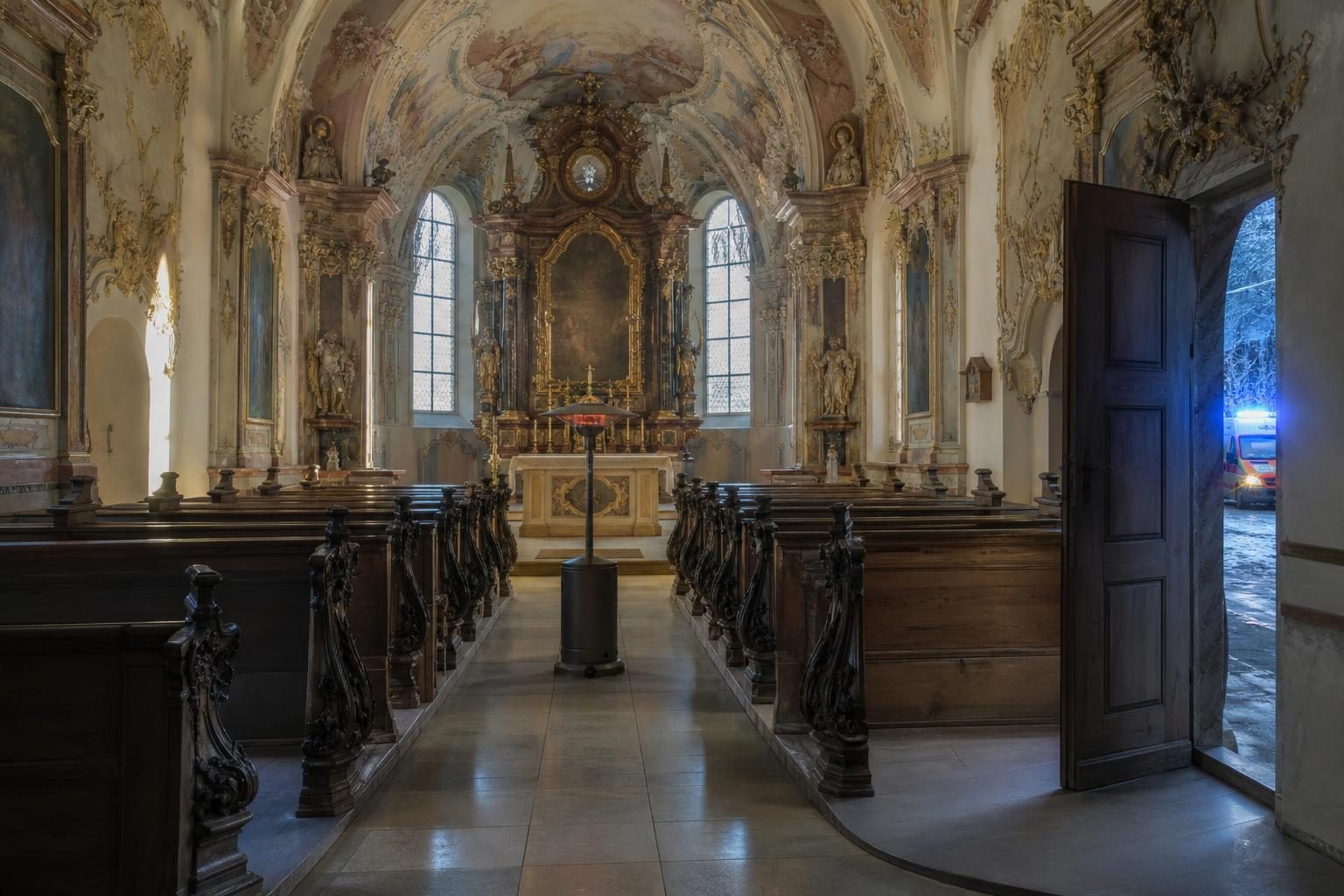
A Sunday morning Mass in southern Germany turned into a mass-casualty emergency when carbon monoxide filled a small castle chapel, sickening 56 people, police and rescuers said [1][2][3].
The worshipers had gathered at the castle chapel in Bad Grönenbach, a spa town in Bavaria's Allgäu region, for a Mass celebrated by the Priestly Fraternity of St. Peter, a Catholic community devoted to the traditional Latin liturgy [4]. Many of those affected were children, according to German reports [2].
A Heater Bought Weeks Ago
Police said the chapel's 70-year-old sacristan had switched on a heater early in the morning to warm the building for the service a few hours later [2][3]. The heater had been bought only a few weeks earlier [2][3].
Early police findings indicated that the device's automatic carbon monoxide shut-off did not work, allowing the odorless gas to build up inside the closed chapel during the morning [1][3].
A Call About One Child
The emergency began with a single call. Paramedics were first dispatched because a child had collapsed, German media reported [2][3]. When rescuers arrived, the carbon monoxide alarms they carry on their equipment began to sound, and the scale of the problem became clear [3].
The count of injured rose quickly. The regional rescue dispatch center first reported 19 people hurt, before the number climbed to 56 [3][4]. The Bavarian Red Cross said 16 people were taken to hospitals [1][2]. None of the injuries were considered life-threatening, according to reports [2].
The response appears to have saved lives. Carbon monoxide is invisible and has no smell, so people breathing it often feel only headache, dizziness or nausea until the exposure becomes dangerous. A collapsed child in the pews was the warning sign, and the responders' detectors did the rest.
Not the First Time in a Church
Houses of worship have faced this danger before, including in the United States. On the last day of 2023, a heating malfunction at a Latter-day Saints meetinghouse in Monroe, Utah, left 54 people recovering from carbon monoxide poisoning, KSL NewsRadio reported [5].
In Utah, as in Bavaria, the trouble was traced to heating equipment [5]. The lesson is the same on both sides of the Atlantic. Old churches and chapels, many of them built centuries before modern heating, are often warmed in winter by portable or retrofitted heaters. Those devices can be safe, but only if they are vented properly and backed up by working detectors.
A few simple habits go a long way. Have heaters and furnaces inspected before the cold season. Never run a fuel-burning heater in a closed room without proper ventilation. Put carbon monoxide detectors in the sanctuary, the nursery and any room where children gather for classes after services, and test them regularly. And if several people in the same room suddenly complain of headaches or dizziness, get everyone outside first and ask questions later.
Why It Matters to Our Readers
For American congregations heading into Advent and the Christmas season, when pews fill with families and buildings are heated for long services, Bad Grönenbach is a timely reminder. A carbon monoxide detector costs little. Checking it before a crowded service is a small act of stewardship that protects the flock.
There is also something to admire in what happened. A sacristan rose early to make the chapel warm for his neighbors. Families brought their children to worship on a cold November Sunday. Rescuers responded fast enough that, by every account, no one lost their life. The faithful in Bad Grönenbach will have much to give thanks for when they gather again.
What Comes Next
Police are investigating the heater and how its safety shut-off failed [1][3]. Those who were hospitalized were expected to recover [2]. The chapel's community, like Catholics everywhere, now enters the final days of the Church year before Advent begins next Sunday, with prayers of thanksgiving that a morning of worship did not end in tragedy.
Sources
- [1]Catholic News AgencyCarbon monoxide leak injures 56 at Sunday Mass in BavariaOpens in a new tab ↗
- [2]Schwäbische ZeitungVergiftung während Gottesdienst: 56 Verletzte in Allgäuer KircheOpens in a new tab ↗
- [3]NordbayernGroßeinsatz in Kirche in Bayern: 56 Menschen durch Kohlenmonoxid verletzt - Heizgerät defektOpens in a new tab ↗
- [4]Opens in a new tab ↗
- [5]Opens in a new tab ↗
Pope Leo XIV drew more than a million people in Argentina. Would you travel to see the pope?
- Absolutely
- Maybe, if he came to the U.S.
- No, but I'd watch on TV
- No
More in Faith & Religion
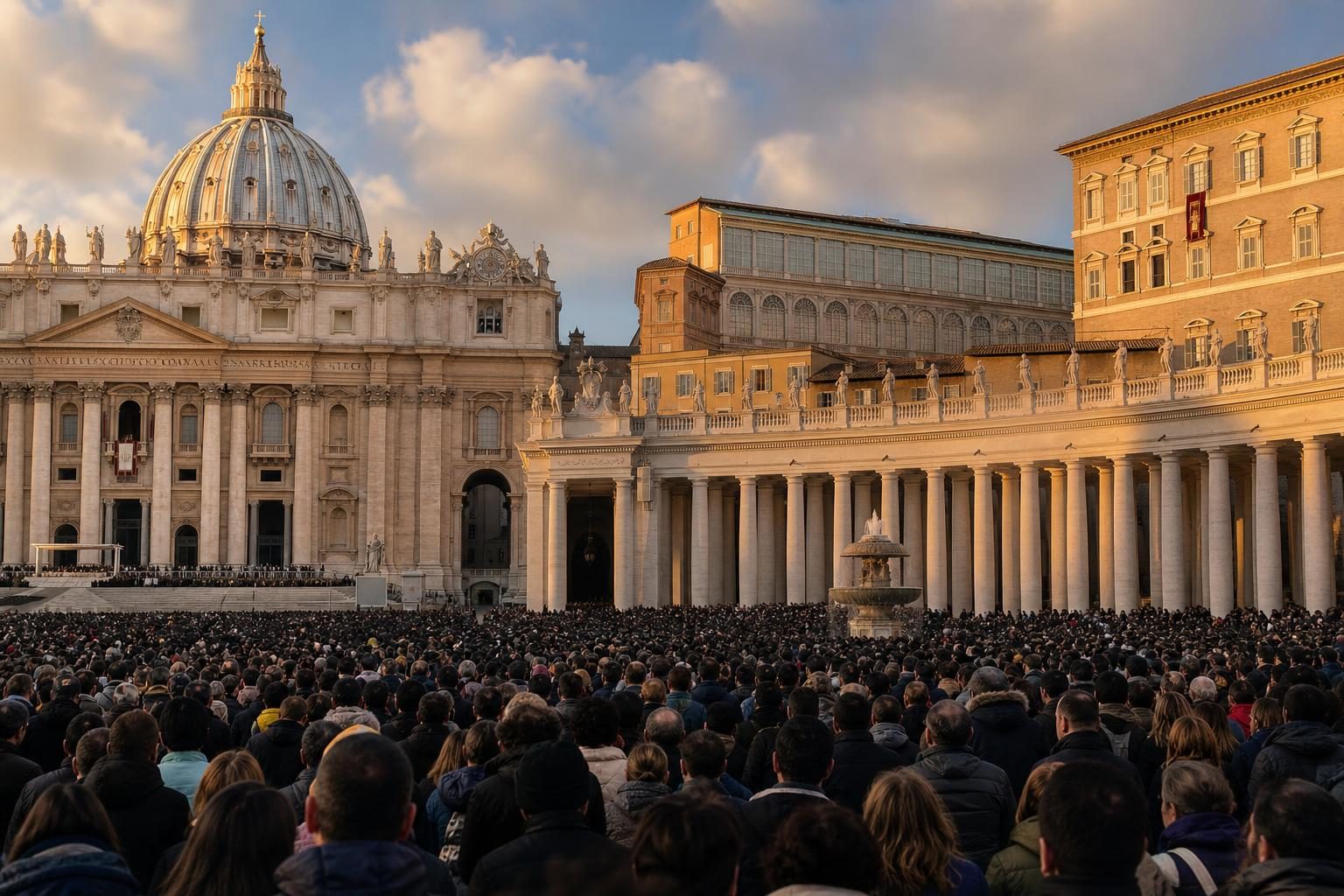
The King Who Stands With the Least: Pope Leo XIV Closes the Church Year With a Call to Justice, Mercy and Peace
This morning on From the Bench with Margaret Callahan
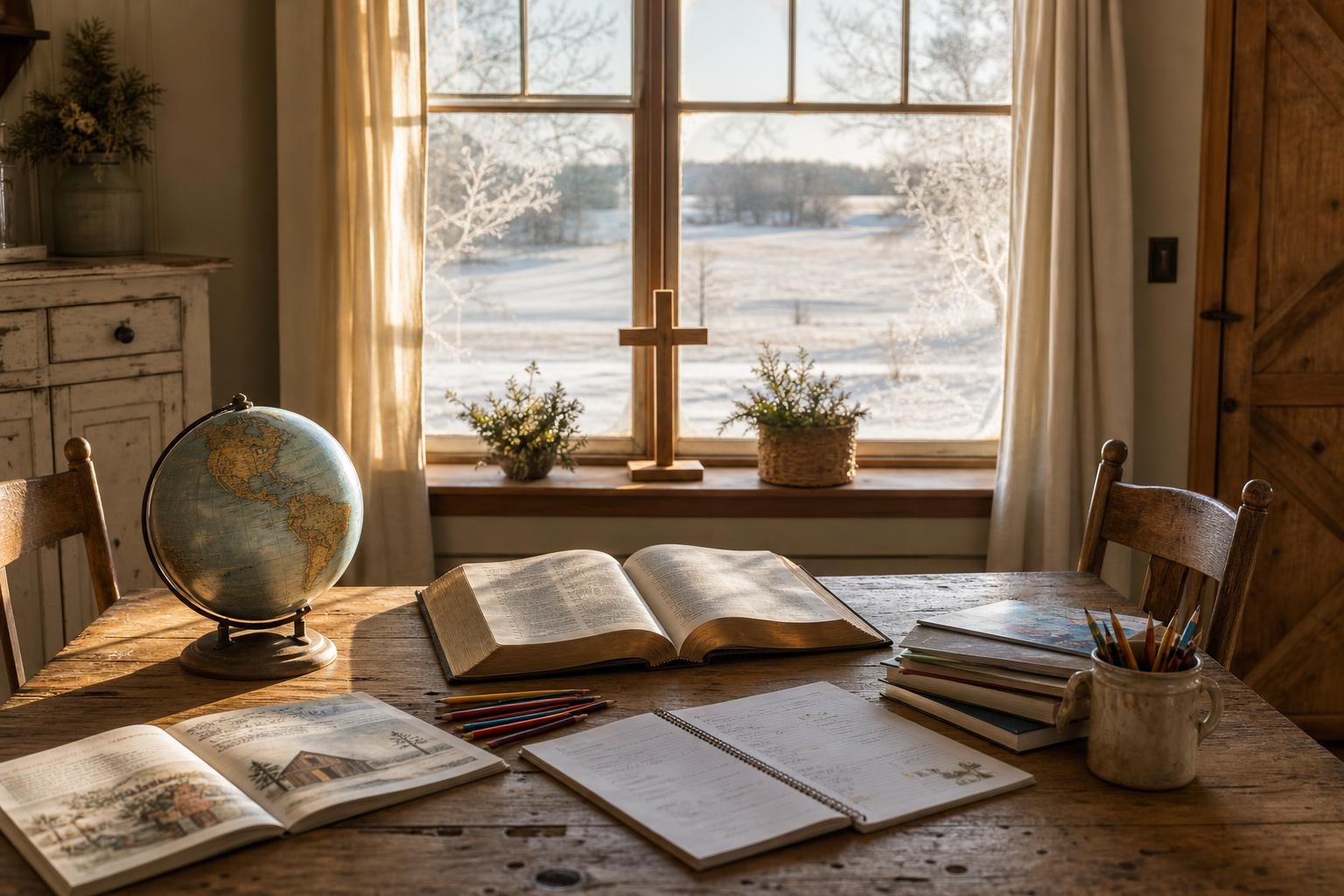
Faith Shouldn't Cost a Tax Break: A Minnesota Pastor and a Vermont Catholic Family Challenge Religious-Education Exclusions
This morning on From the Bench with Margaret Callahan
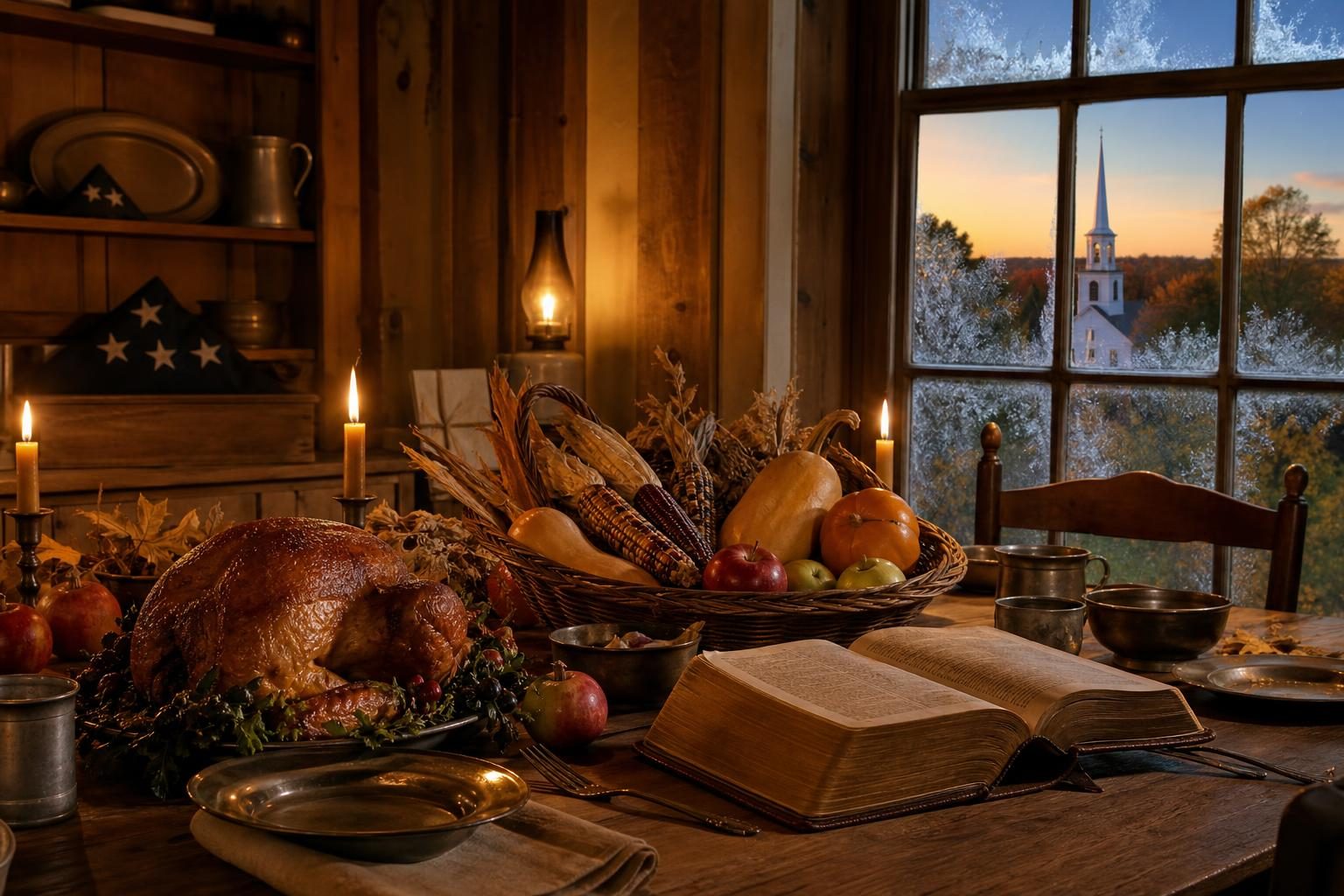
Before the Turkey, the Prayer: How Thanksgiving Began as a Day of Gratitude to God, From Plymouth to Washington to Lincoln
Overnight on Faith & Family with Ethan Calloway
Were you there?
If you were at the scene, or this story touched your life, tell us what you saw and what it was like.
Discussion 0
Sign in or create a free account to join the discussion.
No comments yet. Start the discussion.