World News
Japan Rushes Its 2027 ICC Payment Ahead of U.S. Sanctions
Prime Minister Sanae Takaichi promised the court's largest funder will pay next year's full share by December, giving the Hague tribunal cash before Washington's sanctions take full effect in April.
By GRACE WHITFIELDStaff Correspondent · WASHINGTON · Nov 24, 6:39 PM · 3 min. read
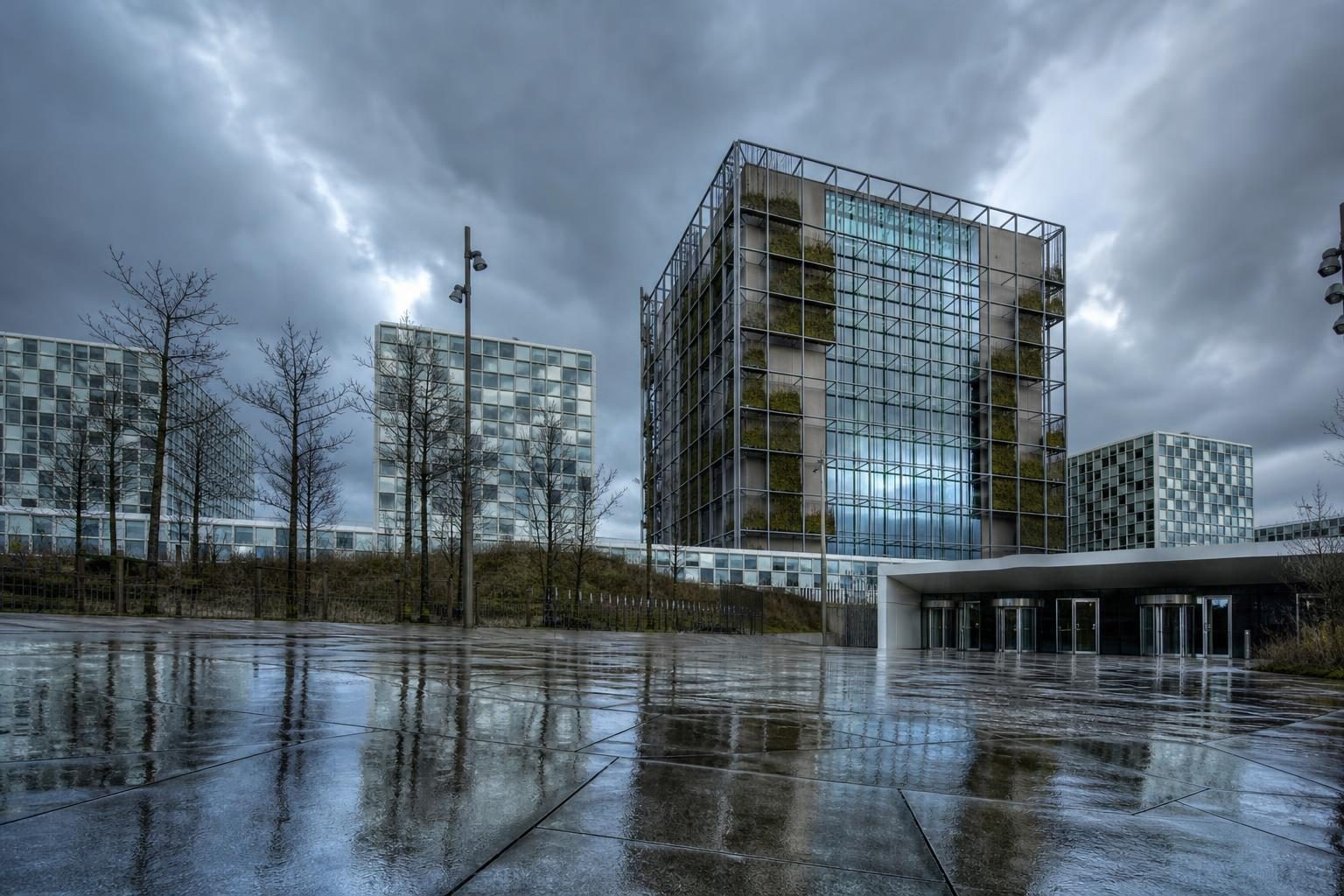
Illustration · Liberty Bell Report
Japan will pay its entire 2027 contribution to the International Criminal Court before the end of this year, Prime Minister Sanae Takaichi announced Tuesday, moving months ahead of schedule so the Hague-based tribunal has cash in hand before American sanctions take full effect in April, Reuters reported.
Takaichi made the pledge in Tokyo after the court asked its largest contributor to pay early, according to Reuters. The court's president, Judge Tomoko Akane, told reporters after their meeting that Takaichi promised to deliver the money by the end of December rather than in April or later, when Japan normally pays, the Associated Press reported.
It was Takaichi's first face-to-face meeting with Akane, a Japanese jurist, since January, and the first since Washington placed Akane on its sanctions list in August and then designated the court itself in October, The Japan Times reported. According to a Japanese Foreign Ministry statement cited by the paper, Takaichi told Akane that Japan would keep strongly supporting both the court and its president.
Takaichi later wrote on X that "Japan has consistently supported the ICC and will continue to do so," the AP reported.
Why Tokyo Moved Now
The timing is about keeping the lights on in The Hague. Reuters reported that paying early gives the court access to Japan's money before the U.S. measures fully bite next spring. The Japan Times said the payment is meant to secure the court's financing for the budget year that begins in April 2027 and to cover any shortfall once the sanctions take hold.
Akane said she was deeply grateful and that the funds would go toward staff salaries and keeping the court operating, according to The Japan Times. She told reporters the court would spend the money wisely so that it can survive, the AP reported.
Japan supplies roughly 15 percent of the money needed to run the court, making it the single largest funder, followed by Germany, France, Britain, Italy, South Korea and Canada, according to Reuters. The Japan Times put the court's 2026 budget at 196 million euros, or about 34 billion yen, with Japan covering about 4.6 billion yen of that total. Neither government announced the exact size of the early payment; experts told the AP it would likely be about $33 million, in line with previous years.
For Tokyo, the move carries real diplomatic weight. Reuters noted that Japan is standing by the court even as the United States, its most important security partner, works to dismantle the institution through sanctions and by urging member countries to leave.
Washington's Case Against the Court
The United States is not a member of the court and rejects its claims of authority over Americans and over allies that also stand outside the treaty, such as Israel. Secretary of State Marco Rubio has argued that the tribunal could try to prosecute American service members, Fox News reported.
On Oct. 9, Rubio announced sweeping financial sanctions against the court as an institution, the latest step in a campaign that had already targeted its judges and prosecutors, according to Fox News. The Treasury Department gave the court a 180-day general license to keep operating, a window that closes in April.
For the administration and its supporters, the dispute is about self-government. Americans answer to their own Constitution and their own courts, not to prosecutors in The Hague whom no American voter chose. Tokyo sees it differently, and has pledged to keep backing the court so it can carry out its work.
Washington's pressure campaign is gaining ground. Tajikistan has begun withdrawing from the court as the United States calls for the body to be dismantled, Deutsche Welle reported, a decision made during a recent visit by Russian President Vladimir Putin. This week, a federal judge also declined to block the administration's sanctions on ICC judges, The Epoch Times reported.
What Comes Next
Japan's payment is due by the end of December, according to the AP. The bigger test arrives in April, when the license expires and the sanctions take full effect.
Tokyo now has to manage two commitments at once: its alliance with Washington, the anchor of Japan's security, and its role as the court's biggest backer. Takaichi's government has chosen to keep both, betting it can fund the tribunal without breaking with its closest ally. Whether other major contributors follow Japan's lead before the April deadline may decide how long the court can keep paying its staff.
Sources
- Reuters (via U.S. News & World Report): Japan Accelerates ICC Funding as US Sanctions Threaten Court (link)
- Associated Press (via KCRA): ICC president thanks Japan for early 2027 payment as US sanctions squeeze the court (link)
- The Japan Times: Takaichi moves up ICC financial support in first meeting with court chief since U.S. sanctions (link)
- Fox News: Marco Rubio announces sweeping financial sanctions against the International Criminal Court (link)
- The Epoch Times: Judge Declines to Block Trump's Sanctions on ICC Judges (link)
- Deutsche Welle: Tajikistan follows US call, withdraws from ICC (link)
— 30 —