U.S. News
Nationwide Emergency Alert Test Hits TV and Radio Today at 2:20 p.m.: What Families Need to Know
FEMA and the FCC will briefly interrupt television and radio across the country Tuesday afternoon for a routine, legally required alert test. Phones will stay quiet, and nobody needs to do a thing.
By BEAU THIBODEAUXStaff Correspondent · WASHINGTON · Nov 17, 7:00 AM · 4 min. read
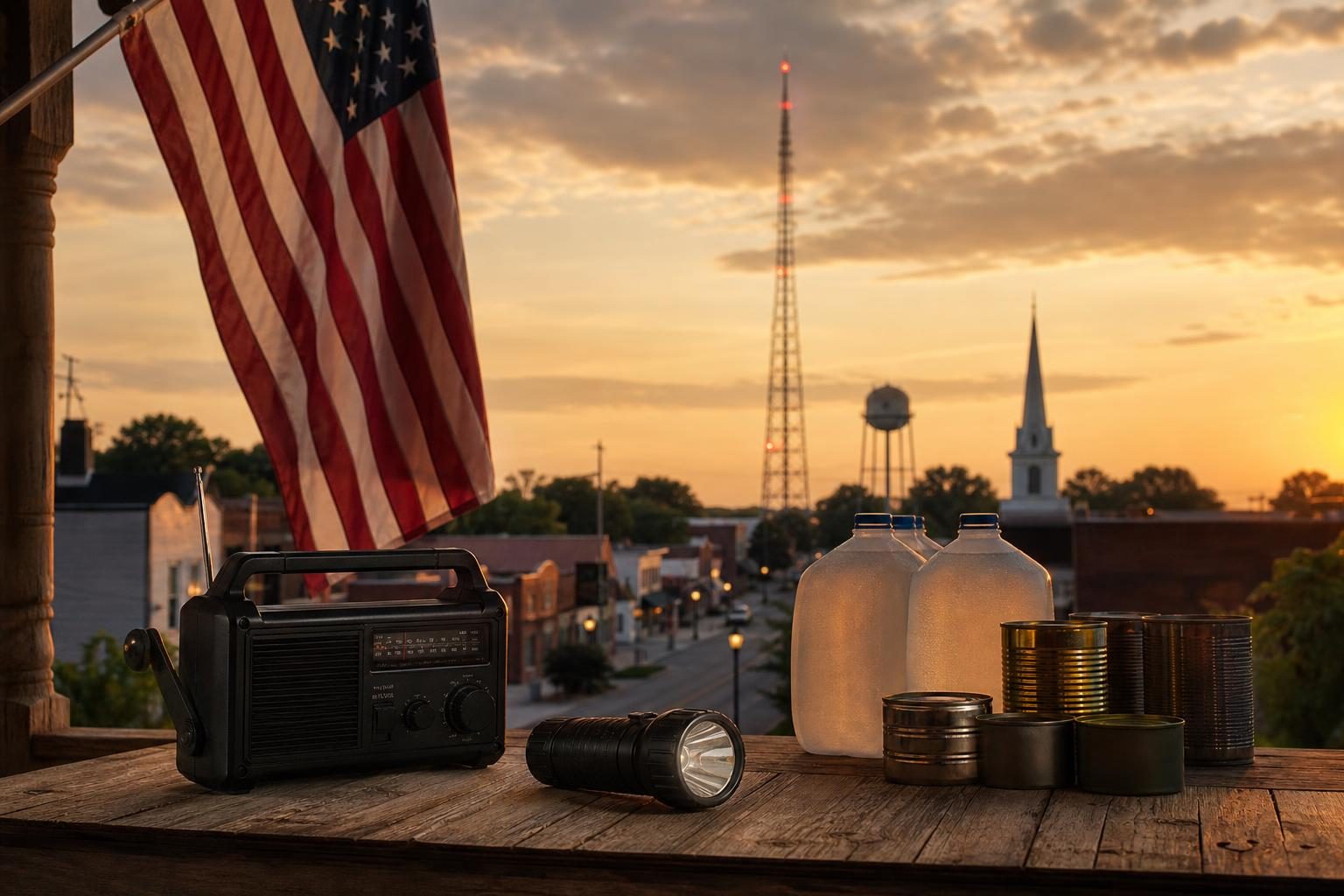
Illustration · Liberty Bell Report
If the television in your living room or the radio in your truck breaks off this afternoon with a harsh tone and a message about the Emergency Alert System, there is no cause for alarm. It is a test, it has been on the calendar since September, and it should be over in about a minute.
The Federal Emergency Management Agency, working with the Federal Communications Commission, will run a nationwide test of the Emergency Alert System at approximately 2:20 p.m. Eastern time on Tuesday, according to a FEMA announcement issued Monday. That is 1:20 p.m. Central, 12:20 p.m. Mountain and 11:20 a.m. Pacific. The FCC's Public Safety and Homeland Security Bureau first set the date in a public notice released Sept. 16, which says FEMA will send the signal at 2:20 p.m. Eastern through the Integrated Public Alert and Warning System, known as IPAWS. FEMA said the test could be postponed if a real emergency or a major weather event strikes, and the backup date is Thursday, Dec. 3.
What you will see and hear
FEMA said broadcasters, cable systems, satellite television providers and wireline video services will interrupt their normal programming to carry a test message. The FCC's notice adds low-power stations and satellite radio to the list of participants.
According to FEMA, the break in programming is expected to last about one minute. The message will carry the standard alert tones, which FEMA notes also help people who are deaf or hard of hearing, and because stations use different equipment, the on-screen text may look a little different from one channel to the next. Some stations may air the message in English, Spanish or both, depending on their audiences.
The script, published by the FCC, identifies the alert as a nationwide test of the Emergency Alert System issued by FEMA and covering the United States from 2:20 to 2:50 p.m. Eastern, then tells the public that it is only a test and that no action is required. Despite that half-hour window, the actual interruption should be brief.
Your phone should stay quiet. Wireless Emergency Alerts, the loud cellphone alerts that sounded during the 2023 national test, are not part of this year's exercise, FEMA said.
As for what families need to do: nothing at all. There is no number to call and no setting to change, as the message itself says.
Why the test happens, and what FEMA says about the rumors
FEMA said the IPAWS Modernization Act of 2015 requires it to test the nation's public alert and warning capabilities at least once every three years, and that the tests let the agency find technical or operational problems before the system is needed in a real emergency. The FCC oversees the stations and providers that carry the alert, and its notice requires them to file reports in the commission's EAS Test Reporting System, including a filing on how the test went within 48 hours, which puts that deadline at 2:20 p.m. Eastern on Thursday.
As the date approached, rumors about the test spread online, and FEMA has addressed them directly. Newsweek reported Tuesday that the agency is describing the event as a routine broadcast check and has made clear it does not signal a blackout or any hidden emergency. The official notices from both agencies describe only a brief test message on television and radio.
The first nationwide test of the Emergency Alert System took place in November 2011, and national tests have been held periodically since then. The October 2018 test was the first to include alerts sent to cellphones, and the October 2023 test, the seventh, went out at about the same 2:20 p.m. Eastern time over phones, radio and television. Tuesday's test is the eighth.
Use the minute to get your family ready
A one-minute test is a good nudge to prepare for a real warning. Ready.gov, FEMA's preparedness site, advises that after a disaster a household may need to get by on its own for several days, and it urges families to keep their own supply of food, water and other essentials.
Its basic kit list starts with one gallon of water per person per day for several days, for drinking and sanitation, along with a several-day supply of nonperishable food, a flashlight, a first aid kit and extra batteries. Ready.gov also recommends a battery-powered or hand-crank radio and a NOAA Weather Radio with a tone alert. It suggests adding prescription medicines, cash and copies of important family documents, and rethinking the kit each year as a family's needs change.
A few more steps cost nothing. Tell your children what the tones mean, so an alert is something to listen to rather than fear. Pick a place to meet if the family is separated. And if a widow or elderly neighbor down the road lives alone, a visit this week to make sure she has a working radio, fresh batteries and a stocked pantry is the kind of love-your-neighbor care that carried American communities through hard times long before any alert system existed.
If the test is postponed, expect the same brief interruption on Dec. 3. Either way, the right response is simple: listen, and carry on.
Sources
- FEMA: FEMA and FCC to Conduct Nationwide Test of the Emergency Alert System on November 17, 2026 (link)
- Federal Communications Commission: Public Safety and Homeland Security Bureau Announces Nationwide Test of the Emergency Alert System (EAS) on November 17, 2026 (DA 26-989) (link)
- FEMA: Frequently Asked Questions about the Nationwide Emergency Alert System Test (link)
- Newsweek: FEMA Addresses Rumors Ahead of Today's Emergency Alert Test (link)
- Wikipedia: National Periodic Test (link)
- Ready.gov: Build A Kit (link)
— 30 —