Science & Space
A Mosquito That Fights Back: Brazil Trial Finds Bacteria-Carrying Insects Cut Dengue and Chikungunya Infections by About 69%
A four-year study that tested the blood of more than 5,700 children adds strong evidence that a natural bacterium can turn the mosquito from carrier into shield, without new pesticides.
By HANNAH LINDGRENStaff Correspondent · WASHINGTON · Nov 22, 11:25 PM · 3 min. read
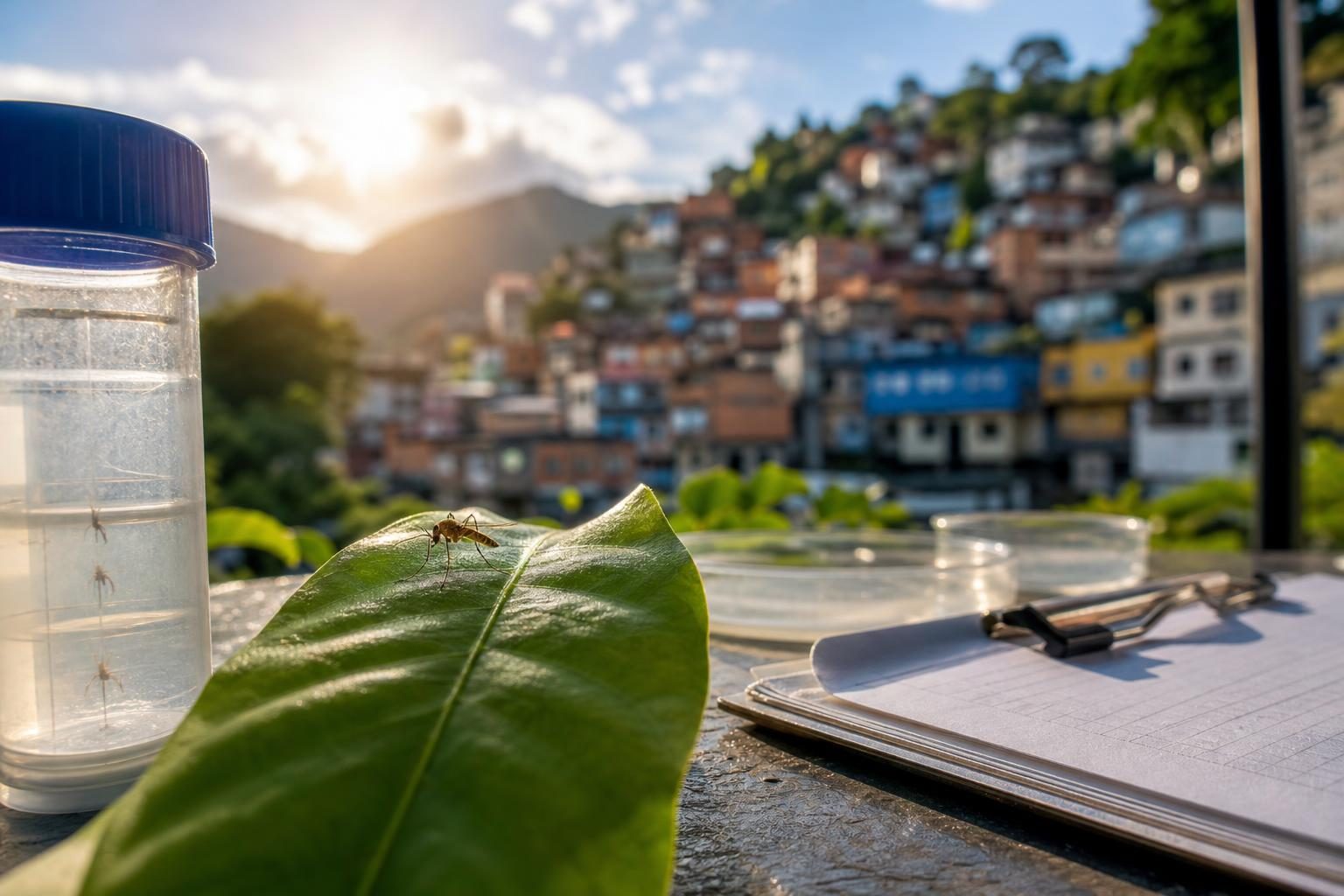
Illustration · Liberty Bell Report
Scientists have reported some of the strongest evidence yet that a simple, natural bacterium can help protect whole neighborhoods from dengue, the painful mosquito-borne illness sometimes called breakbone fever.
In a large randomized trial in Belo Horizonte, Brazil, neighborhoods that received mosquitoes carrying the Wolbachia bacterium had about 69% fewer dengue and chikungunya infections than neighborhoods that did not, the Associated Press reported on Nov. 21.
How the Study Worked
The researchers followed more than 5,700 children over four years. Rather than relying only on doctor visits and official case reports, they tested the children's blood for signs of infection with dengue, chikungunya and Zika. That matters because many people infected with these viruses have mild symptoms and are never diagnosed, which can make official counts misleading.
Because the trial was randomized by neighborhood, scientists could compare similar areas that did and did not receive the mosquitoes, giving them a clearer picture of cause and effect than earlier citywide programs could offer.
An outside expert who was not involved in the study said the approach could knock dengue down to much lower levels in many places when it is paired with existing mosquito-control efforts.
A Mosquito That Fights Back
The idea behind the method is elegant. Wolbachia is a bacterium found naturally in many insects. When it is introduced into Aedes aegypti, the mosquito species that spreads dengue, it makes it much harder for the virus to grow inside the insect, so the mosquito is less able to pass the disease to people. Mosquitoes carrying the bacterium are released and breed with the local population, and over time the protective trait spreads.
There are no new chemicals involved and no need to spray neighborhoods again and again. The mosquito, in effect, is recruited to fight the disease it used to carry.
Not the First Good News
The Brazilian results build on earlier work. A cluster-randomized trial in Singapore, published in the New England Journal of Medicine, found that releasing male mosquitoes infected with Wolbachia reduced mosquito populations and lowered the risk of dengue infection. A citywide program in Niterói, also in Brazil, reported large declines in dengue after releases began, according to a study of that effort.
Each study has its limits, and scientists will want to see the full Belo Horizonte results published and scrutinized. One strength of the new trial is that it measured infections directly in children's blood rather than counting only the cases that reached a clinic, which addresses one of the most common criticisms of earlier, less controlled programs. But the direction of the evidence is consistent: in place after place, the method appears to work.
Why It Matters to Americans
Dengue is not just a faraway problem. The Aedes aegypti mosquito lives in parts of the southern United States, and travelers bring infections home every year. A tool that can sharply cut transmission without new pesticides is the kind of practical innovation that deserves attention from public-health officials in Florida, Texas and the Gulf Coast, as well as in Puerto Rico.
It is also a reminder of what good science looks like. This is not a sweeping mandate or a costly new bureaucracy. It is careful, patient research, tested in the real world and measured with blood samples rather than slogans. Stewardship of creation includes using the wisdom God has given us to protect our neighbors, especially children, from disease.
What Comes Next
Researchers will publish the trial's full findings for review by other scientists, and health agencies will weigh whether and where to expand releases. Cost, local approval and long-term monitoring will all matter. If the 69% figure holds up under scrutiny, Wolbachia mosquitoes could become one of the most important weapons against dengue in the tropics, and perhaps one day closer to home.
Sources
- The Hindu (Associated Press): Scientists report strong new evidence that specially bred mosquitoes can fend off dengue (link)
- Tech Times: Wolbachia Mosquitoes Cut Dengue and Chikungunya Infections About 69% in Randomized Blood-Test Trial (link)
- New England Journal of Medicine: Dengue Suppression by Male Wolbachia-Infected Mosquitoes (link)
- medRxiv: Effectiveness of Wolbachia-infected mosquito deployments in reducing the incidence of dengue and other Aedes-borne diseases in Niterói, Brazil (link)
— 30 —