Pushback
COP31 Didn't Collapse Because Nations Stopped Caring. It Collapsed Because the World Still Runs on Affordable Energy
The longest climate summit on record ended in Antalya with no deal after oil producers and Europe deadlocked over fossil-fuel language. The energy numbers explain why.
By SIENNA VANCEStaff Correspondent · WASHINGTON · Nov 22, 7:00 PM · 3 min. read
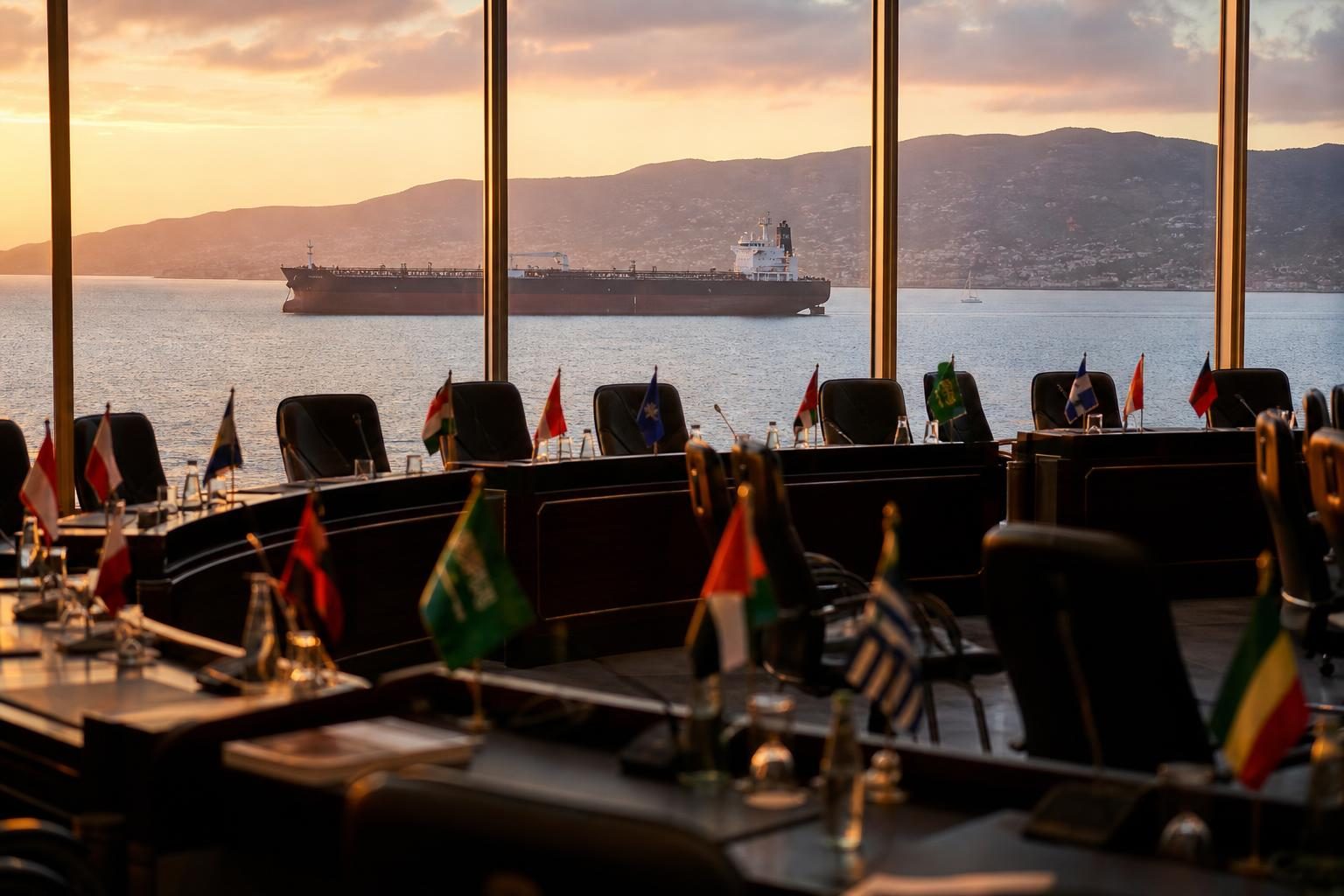
Illustration · Liberty Bell Report
The United Nations climate summit in Antalya, Turkey, ended Sunday without an agreement after negotiators deadlocked in the final hours over what to say about fossil fuels, NPR reported. After roughly two days of overtime, the conference presidency told delegates that the proposed Antalya Pact had failed and that it would not put forward another draft, UN News reported.
U.N. Secretary-General António Guterres said he was deeply disappointed and insisted there is "no ambiguity in the science," according to UN News. European Union delegates refused to accept any outcome that did not explicitly call for a transition away from fossil fuels, while Russia and Saudi Arabia backed leaving explicit fossil-fuel language out, ABC News in Australia reported. Saudi Arabia, speaking for the League of Arab States, also defended a role for capturing and storing carbon. CBS News reported that the conference ended with the fossil-fuel debate at a standstill.
That is the story as most outlets told it: a noble effort blocked by oil producers. It leaves out the part that matters most to ordinary families.
The world still needs the barrels
Start with the numbers that negotiators could not wish away. The International Energy Agency, which has long urged faster climate action, says world oil demand will fall by 2.7 million barrels a day this year, to about 102.3 million barrels a day, largely because of supply disruptions in the Middle East, and then rebound by about 2 million barrels a day in 2027. Even in a year of war and shortage, the planet burned more than 100 million barrels of oil every single day, and the agency expects demand to climb again as soon as supply allows.
American producers have been meeting that need. U.S. crude output reached a new annual high in 2025, the Journal of Petroleum Technology reported, citing federal data. That production has been a cushion for American families and allies during a year when the Strait of Hormuz became a war zone.
A treaty that pledged to accelerate an exit from oil, gas and coal on a fixed timetable would not have changed those realities. It would have simply put governments on record promising something their own citizens would not accept when the heating bill arrived.
Who said no, and why it matters
It is convenient to blame Riyadh and Moscow, but the deeper resistance comes from people. Families in the developing world who still cook over wood or dung want the same reliable electricity, refrigeration and hospitals that Europeans take for granted. Workers in America's oil patch, refineries and factories want their jobs. And voters across the West have grown tired of being told that higher energy prices are a virtue.
Care for creation is a Christian duty. Genesis tells us that man was placed in the garden to work it and to keep it. But that same faith calls us to care for the poor, and there is nothing compassionate about policies that make energy scarce and expensive for those who can least afford it. Good stewardship means cleaner technology, better efficiency and honest trade-offs, not slogans that collapse at the negotiating table.
Even the summit's modest achievements point in that direction. Governments did agree on how workers and communities can help shape a just-transition mechanism and on the next steps for reviewing climate finance, according to UN News. Practical, voluntary steps are possible. Grand promises to end the fuels that power the world are not.
What comes next
The climate bureaucracy will regroup for another round next year, and activists will call Antalya a failure of will. A better reading is that the world's governments, faced with real voters and real shortages, declined to sign a pledge they could not keep.
For Americans, the lesson is to keep building: produce energy at home, export it to friends, invest in innovation and refuse to make families pay for symbolic targets. The countries that walked away from the Antalya Pact were not denying that the climate matters. They were admitting that people do too.
Sources
- NPR: Climate change talks fall apart in final hours over fossil fuels (link)
- UN News: COP31 ends without climate pact as UN chief warns there is 'no ambiguity in the science' (link)
- ABC News (Australia): COP31 ends without deal after climate change talks break down (link)
- CBS News: U.N. COP31 climate conference ends with no agreement after fossil fuel debate reaches standstill (link)
- International Energy Agency: Oil Market Report - November 2026 (link)
- Journal of Petroleum Technology: US crude output hits new high in 2025 (link)
— 30 —