Health & Medicine
Weight-Loss Shot Users May Be Eating Dangerously Little
A small Oxford study of GLP-1 patients found low vitamin D and fiber from food, and three people averaging under 800 calories a day.
By SAMUEL ADEYEMIStaff Correspondent · WASHINGTON · Nov 20, 12:00 PM · 2 min. read
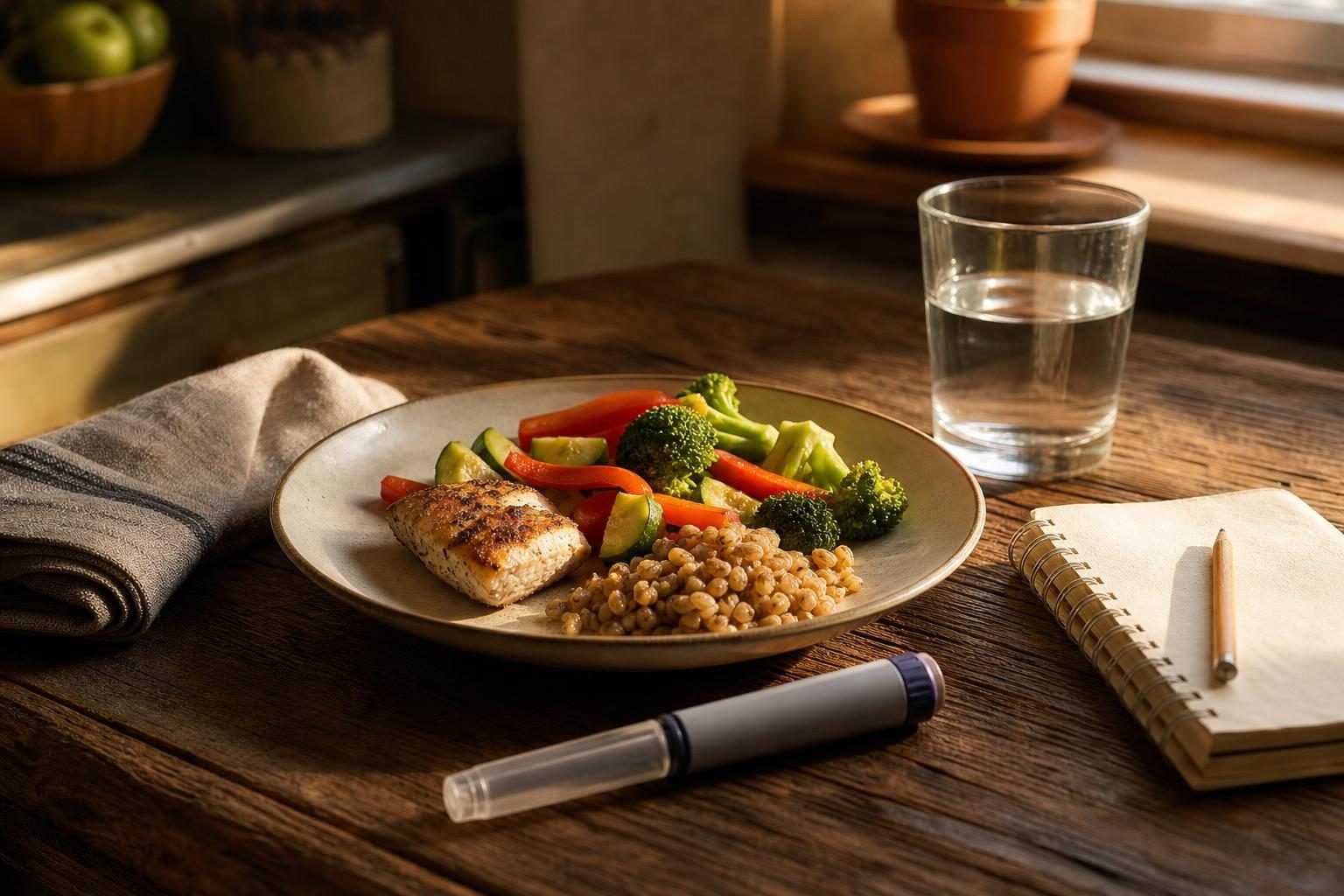
Illustration · Liberty Bell Report
The new weight-loss drugs work by quieting hunger. A small new study suggests that for some patients they may be quieting it too much.
Researchers led by Dhanush Ammineni of the University of Oxford's Medical Sciences Division studied food diaries kept by 14 people in England taking GLP-1 medications or the newer dual GIP/GLP-1 drugs, News-Medical and HealthDay reported. The findings were published Nov. 17 in BMJ Nutrition, Prevention & Health. HealthDay reported that the work raises concern that the drugs could leave some people short on essential nutrients.
What the Diaries Showed
The typical participant got less than 15 percent of the recommended daily amount of vitamin D from food and only about 43 percent of the recommended fiber, according to the coverage of the study. Three participants averaged fewer than 800 calories a day.
The authors suggested that appetite suppression can cut how much people eat without them noticing, especially when patients are not given structured advice on what and how much to eat, News-Medical reported. The study's title points to that gap: it examined whether the "wrap-around care" given alongside the drugs is adequate.
The researchers and the journal describe the work as small and exploratory, and an observational study like this one cannot prove the drugs caused the shortfalls. Fourteen people is a tiny sample. But the warning fits what other researchers have found.
Not the First Warning
An April study reported by Healio compared 116 GLP-1 users with 216 non-users and found that users ate fewer macronutrients and skipped meals more often, with most falling short of protein recommendations. WebMD reported earlier this year that some GLP-1 patients unintentionally eat too little and can become malnourished.
That matters because the people taking these drugs are often older adults and people managing diabetes or heart risks, groups that cannot afford to lose muscle or bone strength. Too little protein can mean losing muscle along with fat, and too little vitamin D and fiber carries its own long-term costs.
What Patients Should Do
None of this means the medicines are a bad choice. For many Americans fighting obesity and diabetes, they have been life-changing. It does mean patients should treat the prescription as the start of the job, not the whole of it.
Doctors and dietitians generally advise GLP-1 patients to put protein first at each meal, eat vegetables, fruit and whole grains for fiber, ask whether a vitamin D test or supplement makes sense, and report fatigue, dizziness or hair loss. Anyone who finds they can barely eat should tell their doctor, rather than treating it as a sign the drug is working well.
Good stewardship of the body means more than a lower number on the scale. It means feeding it well, even when the appetite is gone.
Sources
- BMJ Nutrition, Prevention & Health: Uncovering nutritional deficiencies and the adequacy of wrap-around care for patients on GLP-1 and dual GIP/GLP-1 receptor agonists (link)
- News-Medical: Appetite suppression causes unrecognized severe calorie drops without dietary guidance (link)
- HealthDay via Powers Health: Could weight loss drugs leave you short on essential nutrients? (link)
- Healio: GLP-1 users eat less but do not change macronutrient composition of diet (link)
- WebMD: The Scary Health Risk That Can Sneak Up on GLP-1 Users (link)
— 30 —