Energy & Environment
Japan Pitches an 'Asian IEA' in Manila: A Shared Oil Safety Net as the Iran War Keeps Tankers Under Threat
Prime Minister Sanae Takaichi proposed a regional task force to coordinate emergency oil stockpiles and offered Japan's empty storage tanks to neighbors that have little of their own.
By PRIYA DESAIStaff Correspondent · WASHINGTON · Nov 17, 11:31 AM · 3 min. read
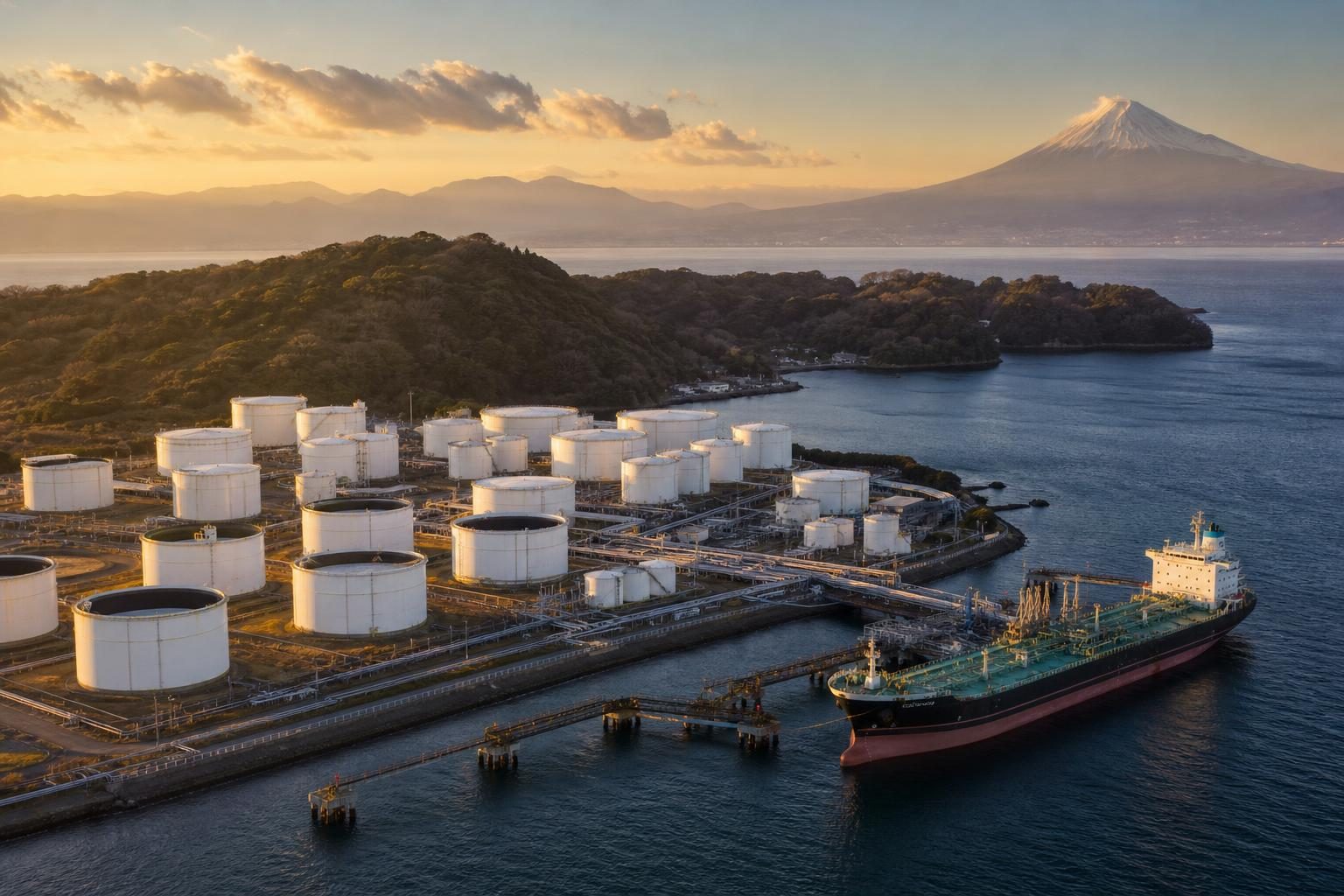
Illustration · Liberty Bell Report
Japan wants Asia to stop hoping the oil keeps flowing and start planning for the day it doesn't. Prime Minister Sanae Takaichi on Tuesday proposed what she described as an Asian version of the International Energy Agency, a regional framework to coordinate emergency oil stockpiles, at the Asia Zero Emission Community summit in Manila, Rappler and OilPrice.com reported.
The timing is no accident. The proposal lands as the war with Iran keeps the world's most important oil chokepoint under threat; Al Jazeera reported this week that tankers had struck sea mines in the Strait of Hormuz. For Asian economies that import most of their crude from the Middle East, every disruption there hits gas pumps, power plants and factory floors within weeks.
What Japan is proposing
Japan calls the plan an Asia Oil Security Task Force, according to reports on the proposal, and pairs it with a Power Gulf Initiative meant to deepen ties between Asian importers and their biggest suppliers in the Middle East. The Japan Times reported that Tokyo would help set up the body, with the Jakarta-based Economic Research Institute for ASEAN and East Asia serving as its secretariat.
The task force would help members share know-how on stockpiling and write rules for releasing and sharing reserves in an emergency, the Jiji news agency reported, as carried by Nippon.com. Japan has also offered something concrete: its unused oil storage. A Japanese ministry spokesperson said the country would make idle storage facilities available to other nations and help them build their own stockpiling systems, according to Rappler.
Why Asia needs it
The International Energy Agency, founded after the 1973 Arab oil embargo, requires its members to hold emergency stocks and to act together when supplies are cut. Japan and South Korea are among the very few Asian members, which leaves much of the region without a formal safety net when a crisis hits, according to reports on the proposal. When the IEA's members coordinated releases during this year's Middle East tensions, no Southeast Asian nation took part, according to the reports.
Southeast Asia has begun to move on its own. Reports from the region say the ASEAN nations have agreed to a stockpiling arrangement built around storage sites in Indonesia and Thailand, in which members would pay in advance for the right to buy oil or fuel from another member's storage, with the Philippines leading the coordination. Japan's offer would add capacity and experience on top of that.
What it means for Americans
An energy shock in Asia does not stay in Asia. Oil is priced on a world market, so a scramble for barrels in Tokyo, Manila or Jakarta pushes up what American families pay at the pump. Every ally that holds its own reserves is one less buyer bidding against American drivers in a crisis.
It also opens a door for American energy. A region that is building stockpiles and diversifying away from a single dangerous waterway needs reliable suppliers, and the United States produces more oil and natural gas than any other nation on earth. Friends who buy American energy are friends less exposed to blackmail from Tehran.
There is a lesson in Tokyo's approach as well. Japan, with almost no oil of its own, has spent half a century building reserves because it learned in the 1970s what dependence costs. Prudence, not panic, is the policy, and it is the same principle behind America's own Strategic Petroleum Reserve.
What comes next
Japan's proposal still has to win over the region's governments, and the details of who pays, who stores and who decides when to release oil remain to be worked out. The Japan Times reported that Tokyo intends to take a leading role in establishing the body.
The test will come with the next disruption in the Gulf. If tankers keep running into mines and missiles, Asia's importers will learn quickly whether a shared safety net can be built before it is needed.
Sources
- The Japan Times: Japan to propose Asian version of IEA at AZEC summit (link)
- Rappler: Japan proposes creation of 'Asian' IEA (link)
- Nippon.com (Jiji Press): Japan to Propose Asian Version of IEA at AZEC Summit Tues. (link)
- OilPrice.com: Japan Proposes an 'Asian IEA' to Protect Oil Supplies (link)
- Al Jazeera: Live: Houthis advance in Yemen as tankers hit sea mines in Strait of Hormuz (link)
— 30 —