
 This morning on Command Post with Dan Whitaker
Hung Cao Owns the Iran War's Strain on the Fleet and Points to Rising Missile Production in a Tough Navy Secretary Hearing
The acting Navy secretary, a former enlisted sailor and special operations officer, told senators the war is taxing ships, weapons and crews, as both parties pressed him on munitions and sailor welfare.
Filed November 18, 2026 · 📍 Philadelphia, PA 19107
Were you there? Share your story
Key points
- Acting Navy Secretary Hung Cao acknowledged the Iran war is straining the Navy at his Senate Armed Services confirmation hearing.
- He said the Navy recoded and used munitions classified as expired, and that Tomahawk and other weapons production is well above 60 a month.
- Senators raised eight suicide attempts in the USS Abraham Lincoln strike group, and his choice of words drew criticism.
- Cao enlisted in 1989, graduated from the Naval Academy and retired as a captain in 2021; the committee has yet to vote.
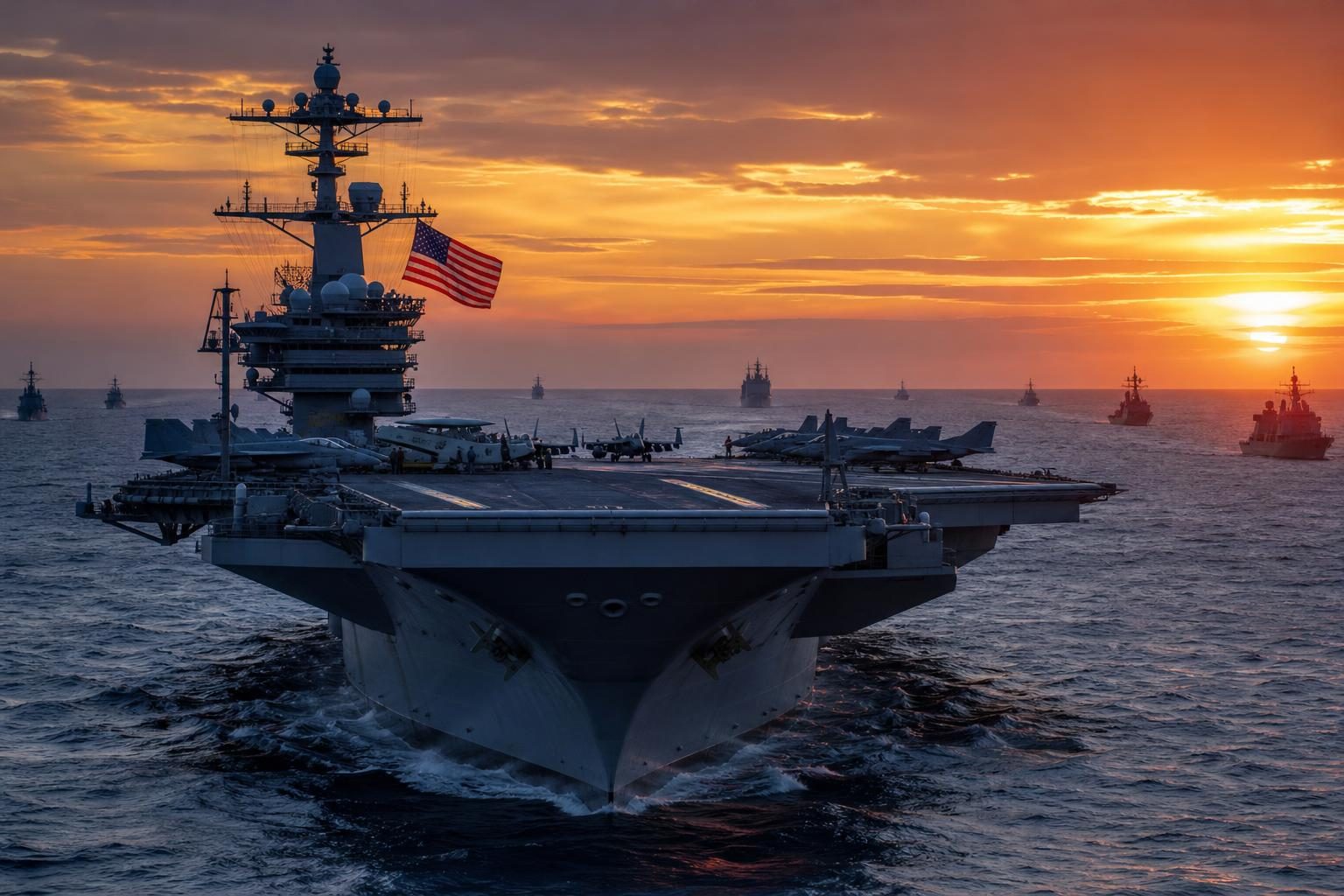
The man President Trump has chosen to lead the Navy did not pretend on Tuesday. Acting Navy Secretary Hung Cao told the Senate Armed Services Committee that the war with Iran is putting a real strain on the fleet, the Associated Press reported in coverage carried by The Philadelphia Inquirer [1]. Senators from both parties spent the hearing pressing him on long deployments, shrinking stockpiles of advanced weapons and the toll on sailors [1][2].
It was a tough hearing, and it should have been. A nation at war owes its sailors hard questions about how they are being used and cared for. But the record from the room shows a nominee who answered those questions directly and pointed to concrete steps the Navy is taking.
A sailor's career, start to finish
Mr. Cao knows the Navy from the bottom up. According to his official Navy biography, he came to the United States in 1975, enlisted as a seaman recruit in 1989 and was later commissioned after graduating from the U.S. Naval Academy [5]. He qualified as a special operations, explosive ordnance disposal and diving officer, and retired as a captain in 2021 [5]. President Trump, who nominated him for the permanent job after months as acting secretary, called him a "true warrior," Fox News reported [6].
What he told senators
On weapons, Mr. Cao was candid. He told the committee the Navy has recoded and used munitions that had been classified as expired, as the war drains weapons stocks, CNBC reported [2]. He also said production of Tomahawk missiles and other weapons has risen to well above 60 a month, according to The Hill [3]. That is the right direction. A Navy that can fire faster than it can rebuild is a Navy that has to build faster, and the Pentagon's job is to make sure that happens.
On cost, Mr. Cao said he did not know the war's daily price tag, CNBC reported, and agreed with an independent estimate cited by Sen. Elizabeth Warren of about $32.5 million a day [2]. On the fleet's size, he told senators the Navy will be down to nine aircraft carriers for about five years, The Hill reported [3]. Those are sobering numbers, and they show why the next secretary will have to rebuild the fleet even as it fights.
The hardest moment
The most painful part of the hearing involved the crew of the carrier USS Abraham Lincoln. Senators raised eight suicide attempts across the Lincoln's carrier strike group during its long deployment, CNBC reported [2]. Mr. Cao's use of the word "mitigations" to describe those cases drew sharp criticism from Sen. Kirsten Gillibrand, Military.com and The Hill reported [3][4].
The facts here deserve to be said plainly. Eight suicide attempts in a single carrier strike group on one deployment is a serious warning sign, and the Navy's leadership has to own it. Long deployments and heavy combat demands take a human toll, and the men and women who carry that load deserve leaders who speak about it with care. The test for Mr. Cao, if confirmed, will be what he does next: more mental health support at sea, more predictable schedules and fewer back-to-back tours.
Why it matters
The Navy is carrying much of the load in the Iran war [1][2]. Every decision about munitions, carriers and crews affects whether America can keep the sea lanes open and still be ready to deter China in the Pacific. That is why senators of both parties asked the questions they did, and why a straight answer matters more than a polished one.
What comes next
The committee still has to vote on Mr. Cao's nomination. Watch for whether senators demand written commitments on sailor welfare and munitions production before moving forward, and whether the Pentagon brings Congress a plan to refill weapons stocks. The fleet needs a leader who tells the truth about its strain and then fixes it.
Service members, veterans and their families in crisis can reach the Veterans Crisis Line by dialing 988 and pressing 1.
Sources
- [1]The Philadelphia Inquirer (AP)Trump's pick for Navy secretary acknowledges the Iran war is straining military resourcesOpens in a new tab ↗
- [2]CNBCSenators press acting U.S. Navy Secretary on Iran war costs, sailor health in confirmation hearingOpens in a new tab ↗
- [3]Opens in a new tab ↗
- [4]Military.comNavy Secretary Nominee Hung Cao Calls Eight Sailor Suicide Attempts 'Mitigations' at Senate HearingOpens in a new tab ↗
- [5]Opens in a new tab ↗
- [6]Opens in a new tab ↗
Should U.S. military aid to Israel end early?
- Yes, Israel can afford its own weapons
- Phase it out slowly
- No, keep it while Iran is a threat
More in Military & Defense

From Threat to Partner: Hegseth Lands in Caracas and Signs a Deal to Rebuild U.S.-Venezuela Military Ties
Tonight on Command Post with Dan Whitaker
Hegseth Brings a C-130 to Bogota as Colombia Stands With America Against the Cartels
Overnight on Command Post with Dan Whitaker
U.S. Jets Hit an Iranian Missile Launch Site on Qeshm Island After Drones Target American Forces in Bahrain
Yesterday on Command Post with Dan Whitaker
Were you there?
If you were at the scene, or this story touched your life, tell us what you saw and what it was like.
Discussion 0
Sign in or create a free account to join the discussion.
No comments yet. Start the discussion.