
 This morning on Deep Dive with Kevin Nakamura
Your Tax Dollars, Their Labs: Records Allege Safety Failures at NIH-Funded Foreign Animal Research Sites, Including a Halted Bat-Virus Study
Documents obtained by PETA and reviewed by Fox News describe containment and staffing problems overseas, while nearly every foreign lab reported no violations at all. Lawmakers from both parties have already asked NIH to stop the spending.
Filed November 23, 2026 · 📍 Carson City, NV 89701
Were you there? Share your story
Key points
- Records obtained by PETA allege biosafety, containment and staffing failures at foreign animal labs funded by NIH.
- An NIH-funded Hendra virus study at an Australian national lab was suspended by the facility's own ethics committee.
- Of 70 annual reports from NIH-funded foreign animal research from 2023 to 2025, 67 reported no violations, PETA says.
- Lawmakers in both parties have urged NIH to end funding for animal experiments in foreign labs.
The National Institutes of Health sent millions of taxpayer dollars to foreign animal research facilities where serious biosafety, containment and staffing failures allegedly occurred, according to records obtained by the animal-rights group PETA and reviewed by Fox News Digital in an exclusive report published Monday [1][2].
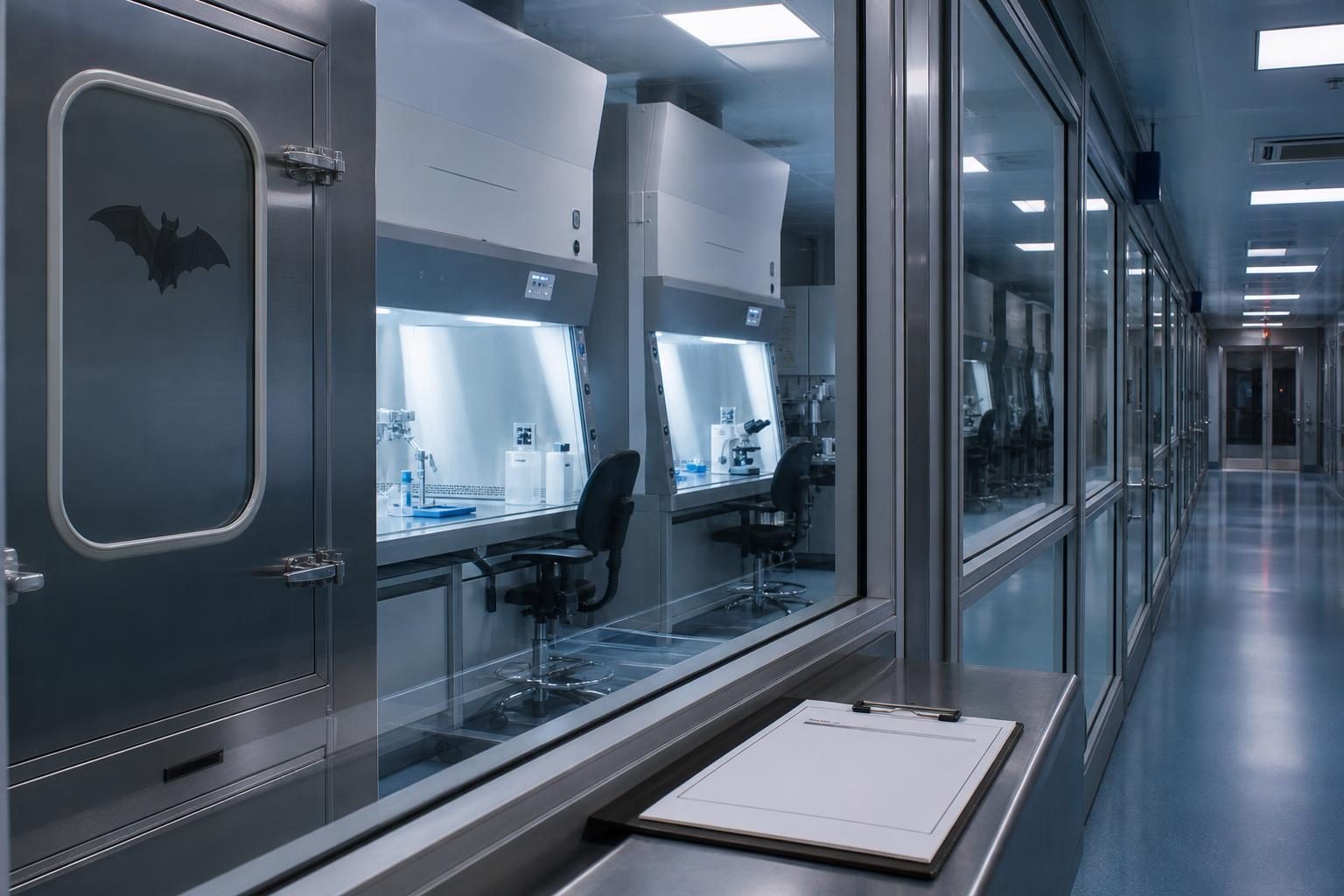
The most striking case involves Hendra virus, a deadly pathogen carried by bats. According to the report, NIH funded a study of the virus at the Australian Centre for Disease Preparedness, a high-containment laboratory operated by Australia's national science agency, CSIRO. The facility's own animal ethics committee suspended the project, titled "Shining a light on bat cellular immunity following virus infection," after serious operational failures came to light [1][2].
Labs grading themselves
The records also raise a basic oversight question. PETA says it examined 70 annual reports submitted for active NIH-funded animal research at foreign labs from 2023 through 2025, and that 67 of them self-reported no violations at all [1]. On Monday, PETA sent a complaint to NIH Director Jay Bhattacharya asking the agency to halt federal funding for animal experiments conducted outside the United States [1][3].
According to Fox News, NIH has pledged to put "enhanced oversight" of foreign institutions in place in line with recommendations from the Government Accountability Office [1]. The agency had not publicly responded to the specific allegations in the records at the time of the report. PETA is an advocacy group with a long campaign against animal testing, and its characterizations of the records are its own; the documents themselves were described by Fox News, which reviewed them [1].
A bipartisan concern
This is not a partisan fight. In July 2025, Republican Rep. Troy Nehls and Sen. Rick Scott wrote to Bhattacharya urging an end to NIH funding for animal experiments in foreign labs, Fox News reported at the time [4]. Democrats Rep. Dina Titus of Nevada and Sen. Cory Booker of New Jersey sent a similar letter the same month [5]. The lawmakers cited roughly $2.2 billion in federal grants and contracts to foreign entities between 2011 and 2021, a figure drawn from a GAO review, and backed legislation known as the CARGO Act that would bar NIH from funding animal experiments in foreign laboratories [5][6].
The lawmakers also pointed to little or no inspection of the facilities and inadequate auditing of the studies, according to the earlier Fox report [4].
Why it matters
Americans have learned the hard way what can happen when federal research dollars flow overseas with too little oversight. NIH money that reached a bat coronavirus research program in Wuhan, China, through a U.S. nonprofit became one of the most bitter controversies of the pandemic era, and federal officials eventually cut that nonprofit off from federal funding.
Hendra virus is no laboratory curiosity. First identified in Australia in the 1990s, it has killed horses and several of the few people known to have been infected. Research on dangerous pathogens can serve public health, but only if it is done under strict controls that someone actually checks. A system in which 67 of 70 foreign reports claim a spotless record should prompt questions, not reassurance.
There is also a simple stewardship principle at stake. Taxpayers have a right to know that the money they send to Washington is spent carefully, inspected honestly and accounted for, whether it funds a lab in Maryland or one on the other side of the world.
What comes next
PETA wants NIH to stop funding foreign animal experiments outright. Lawmakers who backed the CARGO Act could reintroduce it in the new Congress, and NIH's promised enhanced oversight will now face a public test. Watch for whether Bhattacharya responds to the complaint and whether congressional health committees seek the underlying records.
Sources
Should Florida investigate foreign money in American political groups?
- Yes, every state should
- Only with hard evidence
- Leave it to federal authorities
More in Investigations & Special Reports

Fake Firms, Real Spies: China's Job-Ad Trap Widens
Overnight on Deep Dive with Kevin Nakamura

Sheriff Chad Bianco Defends Security Detail After County Audit Puts Cost at $3.2 Million
Overnight on Deep Dive with Kevin Nakamura

FRAUD-TIED FIRMS PAID OMAR AIDE'S WIFE $186,000
Last night on Deep Dive with Kevin Nakamura
Were you there?
If you were at the scene, or this story touched your life, tell us what you saw and what it was like.
Discussion 0
Sign in or create a free account to join the discussion.
No comments yet. Start the discussion.