
 This morning on From the Bench with Margaret Callahan
Where Faith Is Freest: New Rankings Put Alabama and Arkansas on Top for Religious Liberty, Michigan Last
Two new state-by-state indexes measure how well state laws protect churches, ministries and believers. Southern states lead, Michigan trails, and the results show that party labels alone do not decide how well a state guards the First Freedom.
Filed November 24, 2026 · 📍 Napa, CA 94559
Were you there? Share your story
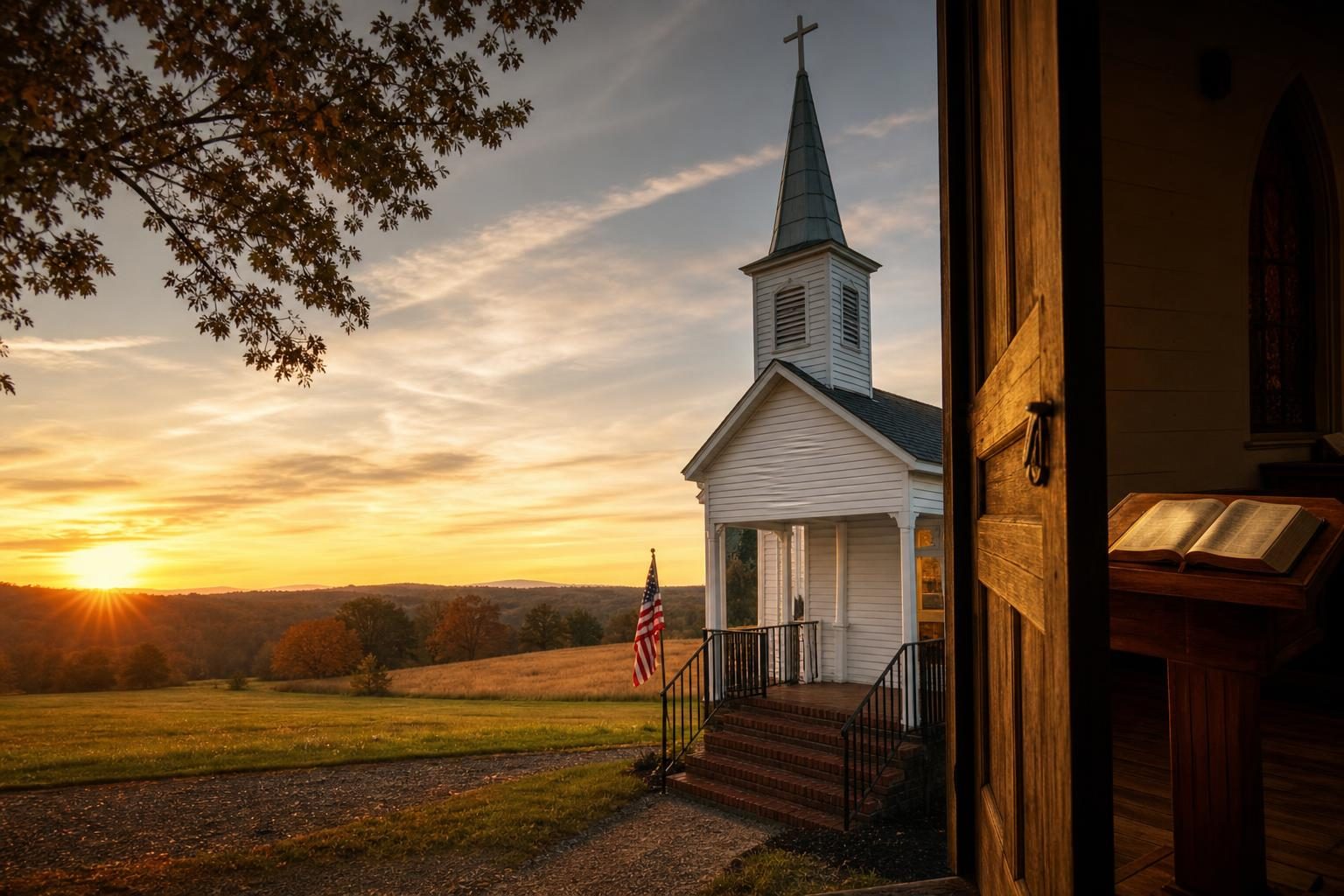
Key points
- Napa Legal Institute's Faith and Freedom Index ranks Alabama (80%) first and Michigan (34%) last.
- First Liberty Institute's index puts Arkansas (89%), Tennessee (85%) and Florida (77%) on top.
- The indexes measure state laws affecting churches, ministries and faith-based nonprofits.
- Party control alone does not predict how well a state protects religious liberty.
If you run a church food pantry, a Christian school or a faith-based adoption agency, the state you live in can make a big difference in how freely you can serve. Two new rankings released this year try to measure exactly that, and their findings offer encouragement and warning in equal measure.
The Faith and Freedom Index
The Napa Legal Institute's Faith and Freedom Index, released this month, grades states on 15 areas of state law that affect faith-based nonprofits, Fox News reported [1]. Alabama earned the highest overall score at 80%, followed by Kansas at 76%, Indiana at 75% and Texas at 71% [1][2]. At the bottom were Michigan at 34%, Washington at 38% and Massachusetts at 41% [1][2].
The index focuses on the state laws that shape daily life for churches and ministries, the organizations that feed the hungry, run schools and shelters and care for children in foster care [1]. One striking finding is that party control does not neatly predict a state's score; political affiliation does not necessarily determine how well a state protects religious liberty, according to the coverage [3].
First Liberty's Ranking
A separate index from First Liberty Institute, the religious liberty law firm, scores states on 50 legal protections. Arkansas ranked first at 89%, followed by Tennessee at 85%, Florida at 77%, Montana at 71% and Illinois at 70%, according to the Archdiocese of San Antonio's summary of the report [4]. The appearance of Illinois near the top, alongside Southern and Mountain West states, underscores the point that strong protections can be built in any state when lawmakers decide to do it.
Why It Matters
Religious freedom is called the First Freedom for a reason. It is listed first in the Bill of Rights, and the Founders understood that a government able to control conscience could control everything else. But the First Amendment sets only the floor. State laws, such as state Religious Freedom Restoration Acts, conscience protections for medical workers and rules for faith-based charities, can raise that floor or leave believers exposed.
For ordinary Christians, the difference is concrete. It can determine whether a Catholic adoption agency can keep placing children with married mothers and fathers, whether a Christian counselor can speak freely with clients, whether a church can use its land as it sees fit and whether a religious school can hire teachers who share its faith. A legal expert quoted by Fox News warned that weak protections can place costly burdens on faith-based groups [1].
The Courts Are Watching
The rankings arrive as the Supreme Court takes up new religious liberty fights. The justices have agreed to hear a case involving a Kentucky Catholic community's Virgin Mary prayer grotto, a zoning fight that is the first test of its kind under a federal law protecting religious land use, and states have rallied behind the church, Fox News reported [5]. Catholic families in Maine are also asking the Court to step in after the state, in their view, tried to write around the justices' earlier rulings on religious schools. Those cases, decided at the national level, will shape the legal environment in every state, including those near the bottom of these lists.
What Believers Can Do
The lesson from both indexes is that religious liberty is not self-executing. States move up the rankings when citizens and lawmakers act: by passing conscience protections, by ensuring faith-based charities can compete for public partnerships on equal terms, and by defending churches in court when they are targeted. Pastors and church leaders can review where their state stands and engage their legislators before the next session begins.
What Comes Next
With dozens of legislatures convening in January, the coming year will show whether states near the bottom move to protect believers, and whether those at the top keep their place. The rankings give every Christian a simple question to ask their state lawmakers: where does our state stand, and what will you do about it?
Sources
- [1]Opens in a new tab ↗
- [2]Decision Magazine (Billy Graham Evangelistic Association)U.S. Religious Freedom Rankings: Alabama Tops List, Michigan Comes in Dead LastOpens in a new tab ↗
- [3]Opens in a new tab ↗
- [4]Archdiocese of San AntonioArkansas tops 2026 religious liberty indexOpens in a new tab ↗
- [5]Fox NewsStates rally behind Catholic church in first-of-its-kind Supreme Court fight over prayer shrineOpens in a new tab ↗
Pope Leo XIV drew more than a million people in Argentina. Would you travel to see the pope?
- Absolutely
- Maybe, if he came to the U.S.
- No, but I'd watch on TV
- No
More in Faith & Religion
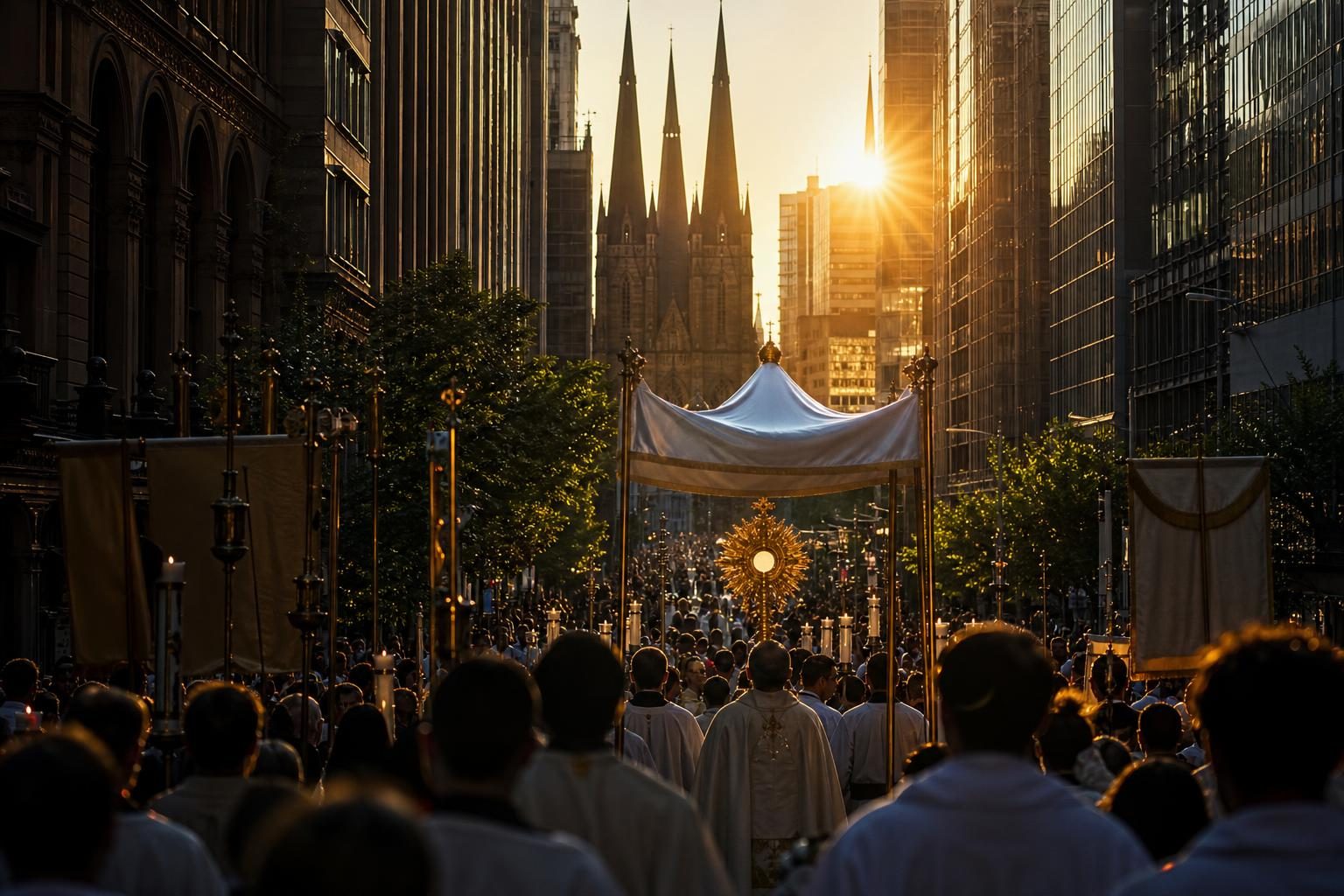
A Record 30,000 Walk With Christ Through Sydney as Australia Readies for the World's Eucharistic Congress
This morning on From the Bench with Margaret Callahan
The President Who Stood Up for America's Faithful
This morning on Faith & Family with Ethan Calloway
Trump's Blunt Answer on Forgiveness Stirs a Faith Debate
This morning on Faith & Family with Ethan Calloway
Were you there?
If you were at the scene, or this story touched your life, tell us what you saw and what it was like.
Discussion 0
Sign in or create a free account to join the discussion.
No comments yet. Start the discussion.