
 This morning on Faith & Family with Ethan Calloway
Trump's Blunt Answer on Forgiveness Stirs a Faith Debate
The President told 60 Minutes he could not honestly say he forgives his worst enemies. Christian leaders answered with Scripture, and the conversation is still going.
Filed November 24, 2026 · 📍 White House, DC 20500
Were you there? Share your story
Story tracker
- Follow-up storyThe President Who Stood Up for America's Faithful
Key points
- President Trump told 60 Minutes he could not honestly claim to forgive enemies such as James Comey and Nancy Pelosi
- He said he is a religious person who hopes to go to heaven and does not want to go to hell
- Franklin Graham answered with the Gospel: heaven requires repentance and faith in Jesus Christ
- The Washington Post reported Tuesday that some Christian supporters have criticized the President's answer
President Trump has never claimed to be a saint, and in a nationally televised interview this month he did not pretend to be one.
Asked by 60 Minutes interviewer Ross Douthat whether he could forgive political foes such as former FBI Director James Comey and former House Speaker Nancy Pelosi before the judgment of God, the President said he wanted to be honest and that he probably could not, NewsNation reported [2]. He went further, saying of his enemies: "I do hate some of my enemies, and I always will" [2].
In the same interview, which aired Nov. 8, the President called himself a religious person who hopes to go to heaven and said plainly that he does not want to go to hell, according to ChurchLeaders [3].
A Pastor's Answer
The most widely shared response came from evangelist Franklin Graham, a longtime friend of the President. Graham wrote on X that heaven has strict entrance requirements: a person must acknowledge his sins, repent and receive Jesus Christ by faith, ChurchLeaders reported [3]. Graham ended with a reminder that religion by itself cannot save anyone [3].
That is not a political attack. It is the Gospel, delivered by a friend, in public, to a man he respects.
The Criticism
Other Christian voices were sharper. Baptist News Global reported that Southern Baptist Theological Seminary President Albert Mohler, a longtime supporter of the President, was disturbed by the answer [4]. EWTN News quoted Catholic priests who warned that dying with hatred for one's enemies puts the soul in danger [5].
On Tuesday, The Washington Post reported that the President's answer has drawn criticism from Christian supporters, noting that he has had his share of religious controversy [1].
What Some Headlines Got Wrong
Some coverage went beyond what the President said. A CNN video segment was headlined as if he would rather go to hell than forgive [6]. But the President said the opposite about his hopes: he told the interviewer he wants to go to heaven and does not want to go to hell [3]. What he admitted was a struggle many believers know well, the gap between what God commands and what the heart feels.
None of this changes the teaching. Jesus told His followers to love their enemies and to pray for those who persecute them, and in the Lord's Prayer Christians ask to be forgiven as they forgive others. Pastors are right to say so, and the President's Christian friends are right to keep saying it to him.
Why It Matters
Millions of believers who backed the President did so because of what he has done for religious liberty, the unborn and the freedom of churches to speak. They never voted for a pastor. The honest exchange this month, a hard question, a candid answer and a Gospel reply, is exactly the kind of conversation faith is supposed to start.
The White House had not publicly responded to the latest criticism in the reports reviewed for this story [1][2].
Sources
- [1]The Washington PostTrump's inability to forgive prompts criticism from Christian supportersOpens in a new tab ↗
- [2]Opens in a new tab ↗
- [3]ChurchLeaders'I Don't Want To Go to Hell': Trump's Answer About Eternity Draws Response From Franklin GrahamOpens in a new tab ↗
- [4]Baptist News GlobalEven Al Mohler doesn't believe Donald Trump is a ChristianOpens in a new tab ↗
- [5]Opens in a new tab ↗
- [6]Opens in a new tab ↗
Pope Leo XIV drew more than a million people in Argentina. Would you travel to see the pope?
- Absolutely
- Maybe, if he came to the U.S.
- No, but I'd watch on TV
- No
More in Faith & Religion
The President Who Stood Up for America's Faithful
This morning on Faith & Family with Ethan Calloway
Pope Francis' Secret Diary: The Devil, Seen Three Times
Overnight on Faith & Family with Ethan Calloway
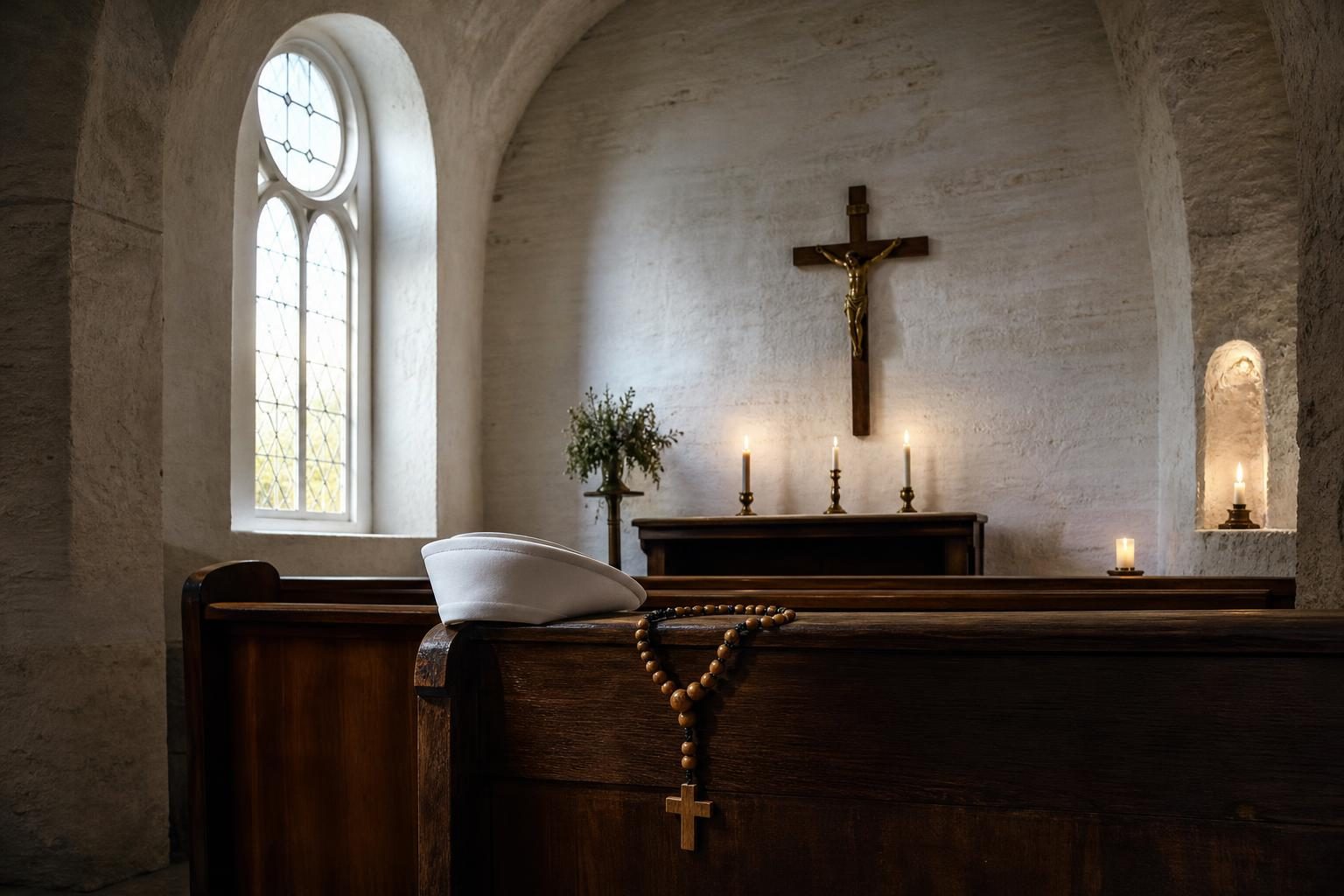
A Nun Tortured by Communists, a Protestant Healed in Denver: Pope Leo XIV Clears the Way for Blessed Zdenka's Canonization
Last night on Faith & Family with Ethan Calloway
Were you there?
If you were at the scene, or this story touched your life, tell us what you saw and what it was like.
Discussion 0
Sign in or create a free account to join the discussion.
No comments yet. Start the discussion.