
 Overnight on The Verdict Room with Natalie Sinclair
Tessa Majors Killer Freed Early Without a Parole Hearing
Luchiano Lewis, who was 14 when he helped kill the Barnard freshman in 2019, walked out of an upstate prison in October under conditional release, state records show.
Filed November 22, 2026 · 📍 New York City, NY 10007
Were you there? Share your story
Key points
- Luchiano Lewis was released from Franklin Correctional Facility on Oct. 14, state records show
- He received conditional release without a parole hearing, a corrections spokesman told the New York Post
- Lewis was sentenced in 2021 to nine years to life for the 2019 murder of Barnard freshman Tessa Majors
- The sentencing judge had cited his violent acts while in custody
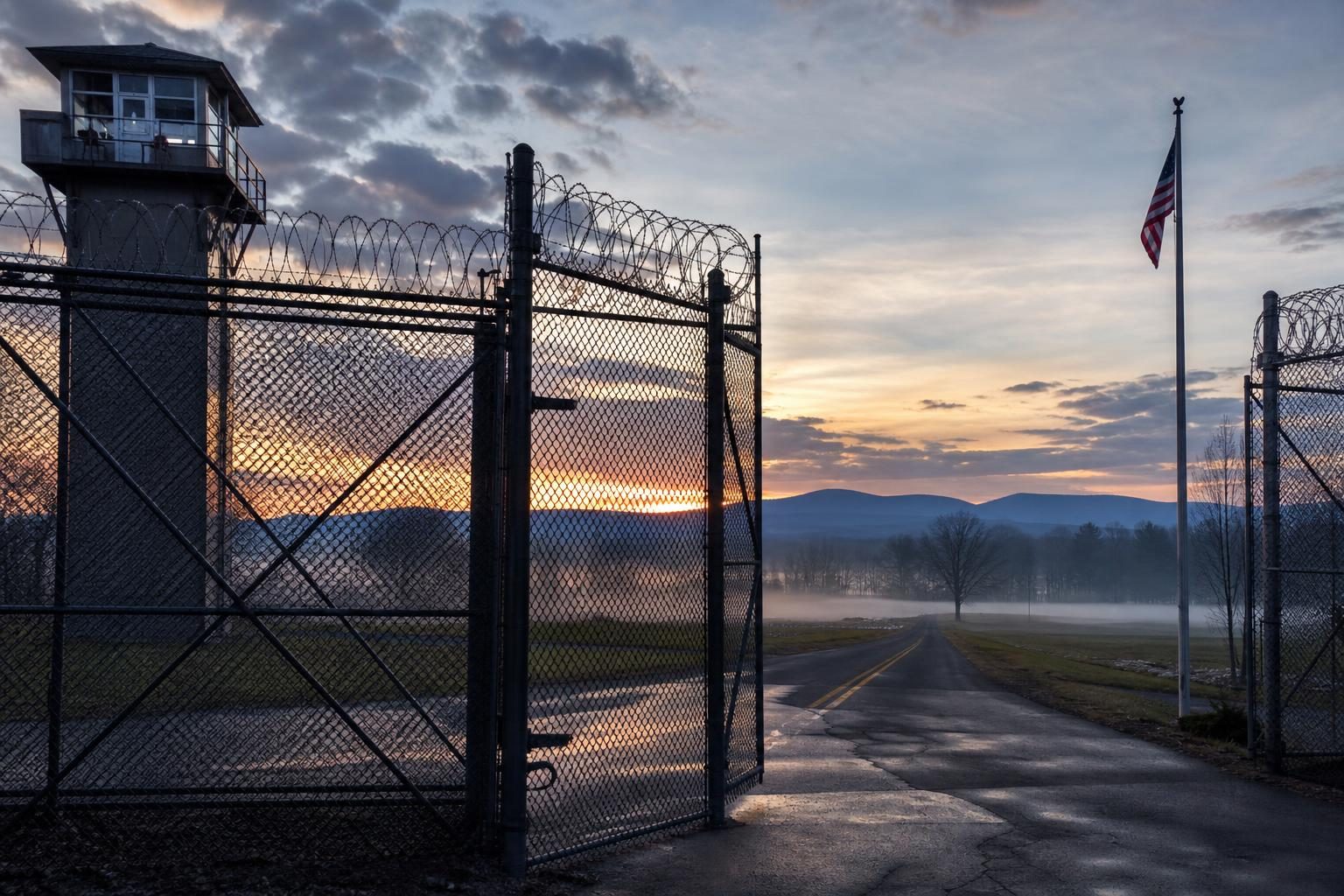
One of the teenagers convicted in the 2019 killing of Barnard College freshman Tessa Majors was quietly released from a New York state prison last month, the New York Post reported Saturday [1]. Luchiano Lewis, who was 14 when Majors was stabbed to death during a robbery in Manhattan's Morningside Park, left Franklin Correctional Facility near the Canadian border on Oct. 14, according to state corrections records cited by the Post [1][2].
Lewis never went before a parole board. A spokesman for the state Department of Corrections and Community Supervision told the Post that he received conditional release, which requires him to sign an agreement to obey the law, hold down a job and live at an approved address [1]. He walked free about two months short of the seventh anniversary of the murder [1].
Nine Years to Life
Lewis pleaded guilty in 2021 to second-degree murder and first-degree robbery and was sentenced that October to nine years to life, the toughest term the law allowed for the murder charge given his age, CBS New York and ABC7 New York reported at the time [4][5]. Majors, 18, was in her first semester at Barnard when she was attacked in December 2019 [4].
At the sentencing, the judge pointed to multiple violent acts Lewis had been involved in while in custody [4][5]. The Post reported that his record behind bars since then included further violent incidents [1], and IBTimes noted that the release came despite the judge's warning [3]. Reports have differed on how much of his time was spent in state prison rather than juvenile custody [1][3], but by any count he was free less than seven years after the killing.
Why It Matters
New Yorkers were told in 2021 that the sentence meant something. The judge chose the maximum and said plainly that Lewis had kept up his violence in custody [4][5]. Parole hearings exist in part so that a crime can be weighed in the open, with the victim's family and the public able to see the decision being made. Conditional release, as the state described it, skipped that step [1].
Mercy and the hope of redemption, even for those who have done terrible things, are at the heart of the Christian faith. But mercy and accountability go together, and a justice system earns trust by being open about decisions like this one. New Yorkers deserve a clear explanation from the state of how Lewis's release date was set, and what his supervision will look like now that he is back in the community.
What Comes Next
Lewis will remain under state community supervision under the terms of his release [1]. Our prayers remain with the Majors family, who have had to relive the worst days of their lives, and with everyone in Morningside Heights who still remembers the bright young woman who was taken from them.
Sources
Should the death penalty stay on the books for the worst crimes?
- Yes, for the worst murders
- Only with absolute proof like DNA
- No, life without parole is enough
More in Crime & Justice
Accused Ex-NYPD Cop Tells Reporter He Killed Brooklyn Jogger
Overnight on Street Watch with Elijah Carter
Labeled Hemp, Tested as Pot: Chico Warehouse Raid Nets 118 Tons of Marijuana and 62 Arrests
Overnight on Street Watch with Elijah Carter
Five Open Cases Before a Chinatown Killing: Man Charged With Murdering a 62-Year-Old Woman Was Due in Court Next Month
Last night on Street Watch with Elijah Carter
Were you there?
If you were at the scene, or this story touched your life, tell us what you saw and what it was like.
Discussion 0
Sign in or create a free account to join the discussion.
No comments yet. Start the discussion.