
 This morning on Campaign Trail with Sophia Reyes
Democrats Reach 259 House Seats. The Last Two Big Democratic Majorities Were Gone in Two Years
Progressives are already floating Medicare for All for the new Congress. The elections of 1994 and 2010 show how quickly voters can take back a majority that mistakes a wave for a blank check.
Filed November 25, 2026 · 📍 Nashville, TN 37219
Were you there? Share your story
Key points
- A Tennessee upset gives Democrats 259 House seats, their largest majority since the early 1990s.
- Progressive Democrats are already putting Medicare for All on the table for the next Congress.
- After the 1992 and 2008 elections, Republicans won the House back at the very next midterm.
- House GOP leaders say they will be organized and aggressive from the new Congress's first day.
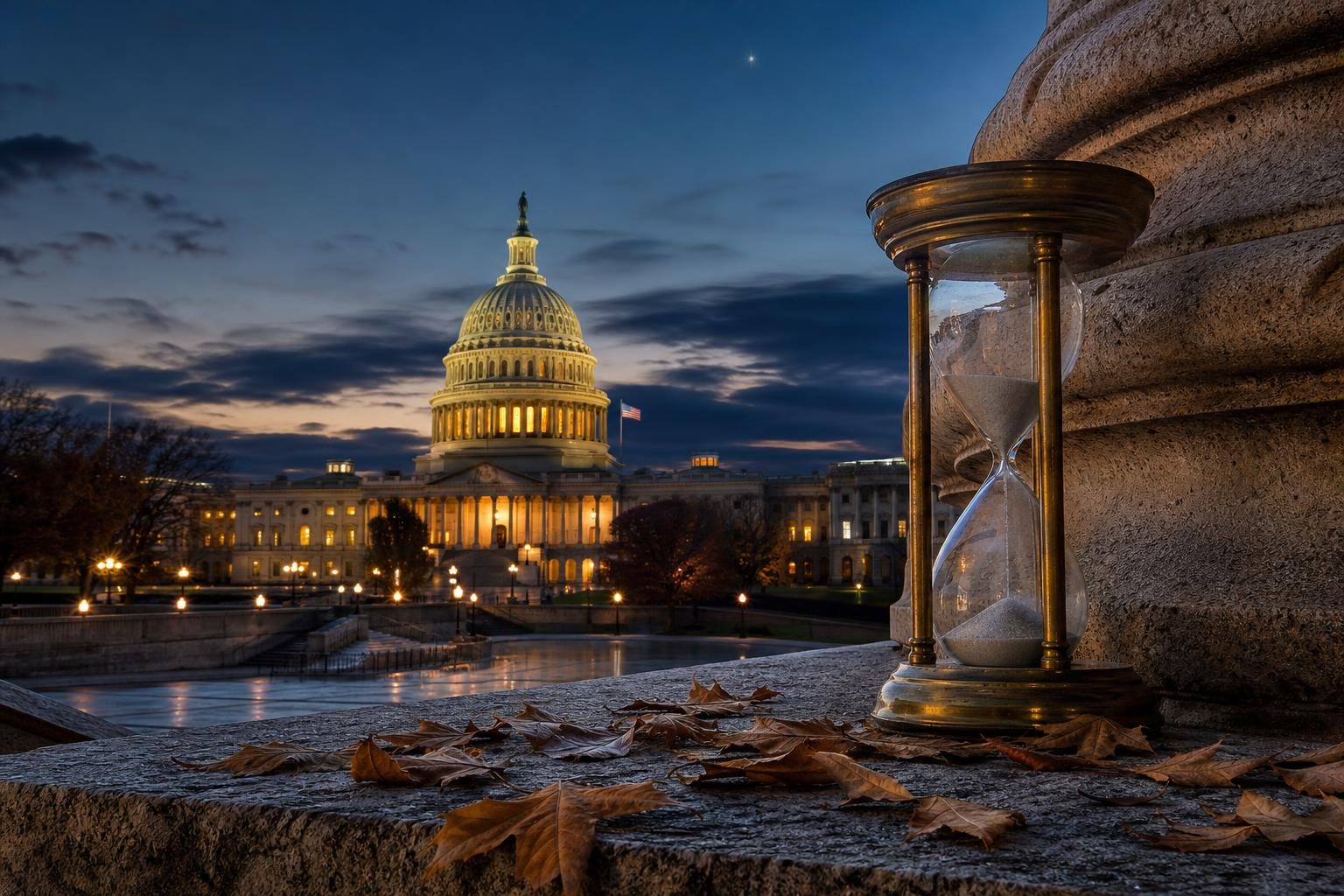
Democrats have won their largest House majority in more than three decades. With Democrat Victoria Broderick's defeat of Republican Rep. Scott DesJarlais in Tennessee, the party has now taken 259 House seats, NPR reported Wednesday, the most it has held since the early 1990s [1].
The left has wasted no time deciding what to do with it. Progressive Democrats have put Medicare for All on the table for the next Congress, The Epoch Times reported, reviving the push for a single government-run health plan [2]. Yahoo News, in its final look at the results, laid out what the new majority can and cannot accomplish once it takes the gavel [3].
That is the case, stated fairly: a historic majority, and with it an appetite for the most ambitious items on the progressive wish list. Republicans should take the result seriously. They should not take it as permanent.
What History Says About Big Majorities
Large House majorities have a way of shrinking quickly. Before this year, Democrats had not held a majority this large since the early 1990s, NPR reported [1], and Yahoo News, tallying the results before the Tennessee race was called, measured the party's total against 1992 [3]. Two years after that 1992 election, in 1994, after a period of unified Democratic control in Washington, Republicans gained 54 seats and won the House for the first time in four decades, a wave Roll Call would later use as its yardstick [4].
The pattern repeated a generation later. Democrats came out of the 2008 election with a commanding House majority and used it to pass the Affordable Care Act. In 2010, Republicans gained more than 60 seats in what PBS NewsHour called the biggest House takeover in 70 years, eclipsing even the gains of 1994, according to Roll Call [4][5].
The lesson is not that voters dislike Democrats. It is that Americans hand out majorities to fix problems, and they take them back quickly from a party that treats a midterm wave as permission for a sweeping agenda. A plan to replace the coverage millions of families get through work with one government program is exactly the kind of proposal that tests that patience [2].
The Constitution Built in the Correction
The framers designed the House to answer to the people more often than any other part of the federal government. Under Article I, Section 2, every member stands for election every two years, which means the entire majority Democrats celebrate this week will be back on the ballot in November 2028. That short leash is a feature, not a flaw. It forces a majority to govern with an eye on the voters who gave it power, rather than on the activists who want to spend it.
The House also holds the purse. Article I, Section 7 requires that bills for raising revenue begin in the House, so the new majority will own the tax and spending choices that come with any large expansion of government health care. Voters in districts like the one Broderick just flipped will be watching how those choices land on their paychecks [1][2].
Who Is Pushing Back, and What Comes Next
House Republicans say they do not intend to spend the next two years waiting. Republican Conference Chairwoman Lisa McClain of Michigan has vowed that her party will not sit on its heels and will be "coordinated, aggressive, and ready to challenge Democrats from Day One," the Washington Examiner reported [6].
The new Congress convenes in January under the Twentieth Amendment, and the debate over what the voters actually asked for will begin the moment it does. None of that guarantees a Republican comeback in 2028; it guarantees only that voters, not pundits, will decide. Democrats earned their majority at the ballot box, and they deserve the chance to govern. The record of 1994 and 2010 suggests the voters will be watching closely to see whether they govern for the country or for their party's left wing [3][4][5].
Sources
Have you ever been censored or shadow-banned on social media?
- Yes
- I think so
- No
- I'm not on social media
More in Pushback
Liking a Tweet Isn't Misconduct: A Tribunal Tells a Manchester Council That Belief Is Protected
This morning on From the Bench with Margaret Callahan

Florida's Tax Cut Doesn't Have to Mean a Slower 911. One Sheriff Is Showing Why
This morning on Sunshine State Report with Tomás Ortega

Let the Camels Stay: Why Radio City's Living Nativity Is Worth Defending
This morning on Faith & Family with Ethan Calloway
Were you there?
If you were at the scene, or this story touched your life, tell us what you saw and what it was like.
Discussion 0
Sign in or create a free account to join the discussion.
No comments yet. Start the discussion.