World News
Taiwan Votes Saturday in Local Elections That Beijing and Washington Are Both Watching Closely
Taiwan picks leaders for 22 cities and counties on Nov. 28, with a tight Taipei mayoral race, warnings of Chinese disinformation and open questions about U.S. support hanging over the vote.
By GRACE WHITFIELDStaff Correspondent · WASHINGTON · Nov 23, 2:03 AM · 3 min. read
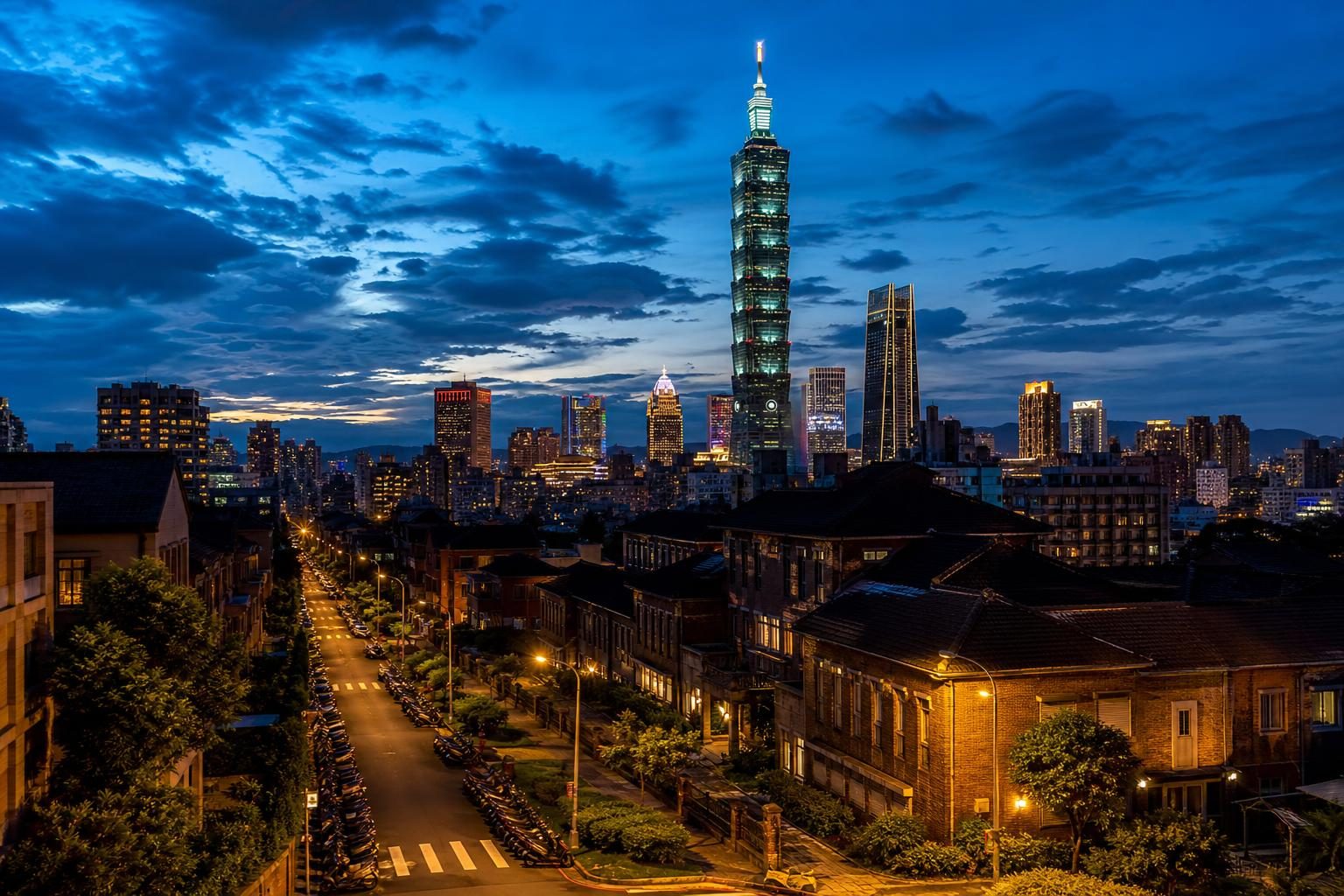
Illustration · Liberty Bell Report
Taiwan's voters head to the polls on Saturday, Nov. 28, to choose who will run their cities and counties, and Bloomberg reported that the stakes stretch well past city hall. The vote is a test for the ruling Democratic Progressive Party (DPP), a measure of the opposition Kuomintang (KMT), and, as Taiwan's own president has warned, another opening for Communist China to try to shape what a free people decide for themselves.
What is on the ballot
The races will settle the leadership of Taiwan's 22 cities and counties. Going in, the KMT governs 15 of them and the DPP holds five, according to Focus Taiwan, the English-language service of the island's Central News Agency. That map gives the opposition a great deal to defend and the governing party plenty of room to grow.
Focus Taiwan reported that both major parties are sending their best-known campaigners to election-eve rallies in Taipei and New Taipei as they fight to hold or widen their footholds. The KMT's top goals are keeping Taipei Mayor Chiang Wan-an in office and winning New Taipei for its candidate, Lee Shu-chuan, the outlet said, with party figures Han Kuo-yu, Lu Shiow-yen and Hou Yu-ih stumping for candidates through the final week. A DPP source told Focus Taiwan that Taichung and Keelung are the key battlegrounds.
The race to watch: Taipei
The capital has long been regarded as safe ground for the KMT. Yet Hong Kong Free Press, carrying an Agence France-Presse report, described an unexpectedly tight contest between Chiang and his DPP challenger, lawmaker Puma Shen. Shen is an outspoken critic of Chinese influence and disinformation, and he is wanted by police in China, according to the report. AFP said Shen had closed the gap on the incumbent, and that Chiang's team turned down its request for an interview with the mayor.
That an elected legislator in a self-governing democracy appears on a Chinese police wanted list says a great deal about how Beijing views Taiwan's political leaders. It also explains why a mayoral race in one Asian capital is drawing attention far beyond the island.
Beijing's long shadow
Taiwan's government says China is working to tilt the outcome. President Lai Ching-te warned that disinformation, smear campaigns and cyberattacks on candidates' websites would increase as the vote approached, the Taipei Times reported. Lai pointed to a burst of suspicious social media accounts that were registered with overseas phone numbers yet listed Taiwan as their location, and that showed matching patterns of activity, according to the paper. He urged officials to stay calm and alert.
The pressure also runs through the opposition's own dealings with Beijing. In April, KMT chair Cheng Li-wun met Chinese leader Xi Jinping in Beijing, the first meeting of its kind in nearly a decade, Fox News reported. At the time, Fox reported, the opposition was blocking President Lai's proposed $40 billion special defense budget to buy American weapons, arguing it was too large and too vague, and was backing a smaller $12 billion plan instead. Saturday's results will offer the first broad reading of how ordinary Taiwanese judge the KMT's approach to the mainland.
What it means for the United States
Local officials do not set Taiwan's defense or foreign policy, but the vote lands at a sensitive moment for Washington. The Epoch Times reported that Taipei disputed claims by Chinese state media that President Donald Trump told Xi the United States does not support Taiwan independence. The outlet noted that the U.S. government had not released an official account of the meeting or publicly confirmed the remark Chinese media attributed to the president.
Back in April, Fox News reported concerns that if the special defense budget was not approved soon, Trump's willingness to sell weapons to Taiwan could change should he strike a deal with Xi. That is why the balance of power inside Taiwan matters to Americans, even in a local election. A strong showing by candidates who speak plainly about the threat from Beijing would send one message to Washington; gains by a party that favors closer talks with Beijing would send another.
What comes next
Voting takes place Saturday in all 22 cities and counties. Until then, the KMT will lean on its well-known figures to protect its large share of local governments, while the DPP pushes in places such as Taichung and Keelung, according to Focus Taiwan. Once the votes are counted, each party will start drawing lessons for the next national contest, and Beijing will be studying the same numbers.
For Americans who prize self-government, the picture is worth pausing over. Across a narrow strait from a Communist regime that claims the island as its own, millions of Taiwanese will line up peacefully, debate local concerns as much as national security, and choose their own leaders. That ordinary act is exactly what Beijing would most like to see fail.
Sources
- Bloomberg: Taiwan Local Elections 2026: What to Know, Key Issues and Why China Is Watching (link)
- Focus Taiwan: Taiwan's parties target key battlegrounds in final push before local elections (link)
- Hong Kong Free Press: Taiwan lawmaker wanted by police in China closes gap in race for Taipei mayor (link)
- Taipei Times: Lai details online disinformation tactics ahead of election (link)
- The Epoch Times: Taiwan Disputes Chinese Media Claim That Trump Opposes Taiwan Independence (link)
- Fox News: Taiwan opposition leader meets Xi in Beijing as Taiwan defense fight intensifies (link)
— 30 —