World News
Reported Russian Peace Terms Take Aim at Britain's Nuclear Shield for Europe
A Russian negotiating paper reportedly asks Britain and France to stop extending their nuclear deterrents to European allies, a demand London is expected to reject as U.S.-brokered talks continue.
By GRACE WHITFIELDStaff Correspondent · NEW YORK · Nov 14, 3:30 PM · 3 min. read
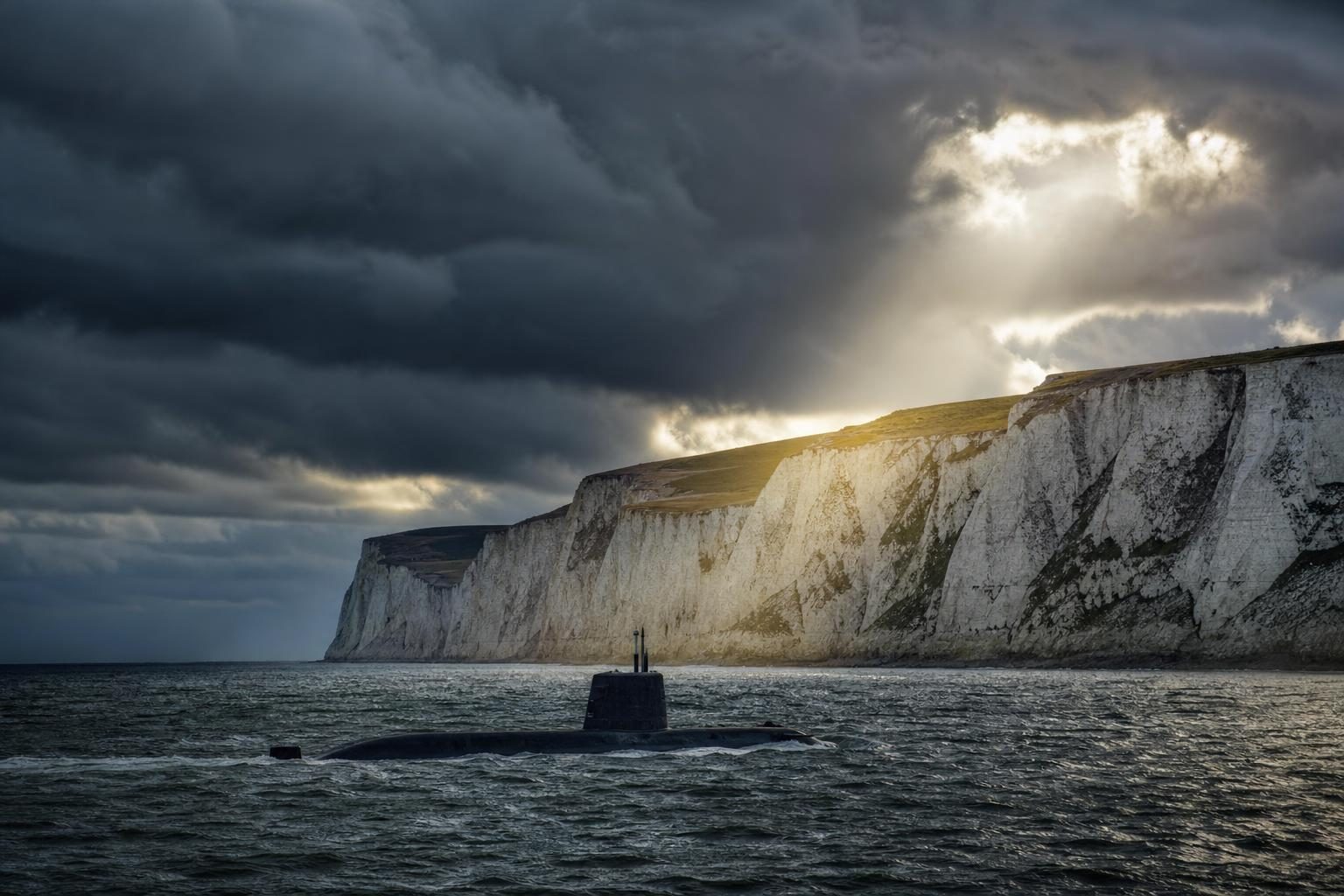
Illustration · Liberty Bell Report
Russia's opening terms for ending the war in Ukraine reportedly include a demand that goes to the heart of Europe's defense: Britain and France would have to rule out using their nuclear weapons to protect other European nations. GB News reported that Vladimir Putin wants Britain to give up its role as a nuclear protector of Europe as a condition of any peace deal.
The demand did not come in a speech or a public statement from the Kremlin. According to the Kyiv Post, which summarized reporting by The New York Times, the conditions appear in an unsigned, informal Russian "non-paper" dated Nov. 10 and were raised during talks with U.S. envoys in Moscow on Nov. 12. Neither side has confirmed the document's wording, and a spokesman for Putin did not respond to questions on Friday, the outlet reported. The Times characterized the paper as Moscow's opening negotiating position rather than a final offer.
What the paper reportedly asks
Beyond the nuclear question, the document revives demands Moscow first pressed in late 2021, the Kyiv Post reported. Russia wants NATO forces pulled back to the positions they held in 1997, before the alliance expanded into Eastern Europe and the Baltic states, and it wants Western military aid to Ukraine halted. Moscow's 2021 demands took aim at NATO's nuclear-sharing arrangements; the new paper goes further by asking London and Paris to stop extending their own deterrents to the rest of the continent.
For Britain, that would mean pulling the protective umbrella of its Trident submarine force back from fellow NATO members, according to LADbible, which cited The Telegraph. London is widely expected to refuse. LADbible pointed to the British government's stated position that the country will defend itself and its allies in every circumstance, including the most extreme.
Abu Dhabi talks and a new question on NATO
The paper surfaced as Washington presses a new round of diplomacy. Ukrainian President Volodymyr Zelenskyy said American negotiators raised a question for the first time during recent three-way talks in Abu Dhabi: whether Kyiv would pull its forces out of the Donbas region if Ukraine were admitted to NATO, CNN reported. Zelenskyy said Ukraine is not ready to give up territory.
Radio Free Europe/Radio Liberty reported that Zelenskyy described the idea as a question from Washington rather than a formal offer. He said that if Ukraine were offered a full package, including security guarantees and money to rebuild, he would put it to Ukrainians in a national referendum and lay out the pros and cons himself. The American side has been led by envoys Steve Witkoff and Jared Kushner, and the Abu Dhabi round ended without a breakthrough on the war itself.
The contrast is hard to miss. While American envoys test whether NATO's door could open for Ukraine, Moscow's paper asks the alliance to shrink and asks Western Europe's only two nuclear powers to withdraw their guarantees from their neighbors.
Why Europe's deterrent matters
Europe has been moving in the opposite direction from what Moscow wants. In March, French President Emmanuel Macron used a speech at the Ile Longue submarine base to announce a "forward deterrence" approach that could see French nuclear-capable aircraft deployed to allied countries, and eight European nations, Britain among them, agreed to take part in related exercises, Reuters reported. NATO Secretary General Mark Rutte welcomed the move while stressing that the American nuclear umbrella remains the ultimate guarantor of European security.
That layered shield is precisely what the Russian paper appears designed to peel away. The lesson of the last eight decades is that peace in Europe has held when aggressors were certain an attack would cost them dearly. A settlement that begins by asking the defenders to stand down would not remove the danger facing Ukraine's neighbors; it would invite the next test. Strength, not concession, is what has kept Europe's great powers from war since 1945.
For now, the document reflects only Russia's starting point, and its wording has not been confirmed by either Moscow or Washington. Any territorial arrangement for Ukraine would, under Zelenskyy's pledge, ultimately go before Ukrainian voters. For Britain, the question is more straightforward: whether its deterrent remains available to the allies who rely on it. London's stated commitment to defend those allies in all circumstances suggests the answer will be yes.
Sources
- GB News: Vladimir Putin demands Britain abandon nuclear protection for Europe in Ukraine peace ultimatum (link)
- Kyiv Post: Russia Revives Demands for NATO Rollback at Peace Talks (link)
- LADbible: Putin issues chilling nuclear demand to Britain as he reveals conditions for peace in Ukraine (link)
- CNN: US floated idea of Ukraine swapping land for NATO membership, Zelensky says (link)
- Radio Free Europe/Radio Liberty: Zelenskyy: US Floated Trading Donbas For NATO Membership (link)
- Al-Monitor (Reuters): NATO's Rutte backs Macron's nuclear revamp but says US umbrella is ultimate guarantee (link)
— 30 —