World News
Report: Trump Envoys Shelve Business Carrots for Moscow
The Kremlin wasn't interested in oil, titanium and pipeline deals, according to the Financial Times. That tells Americans something important about what it will take to end the war.
By DOMINIC KANEStaff Correspondent · WASHINGTON · Nov 25, 3:45 AM · 3 min. read

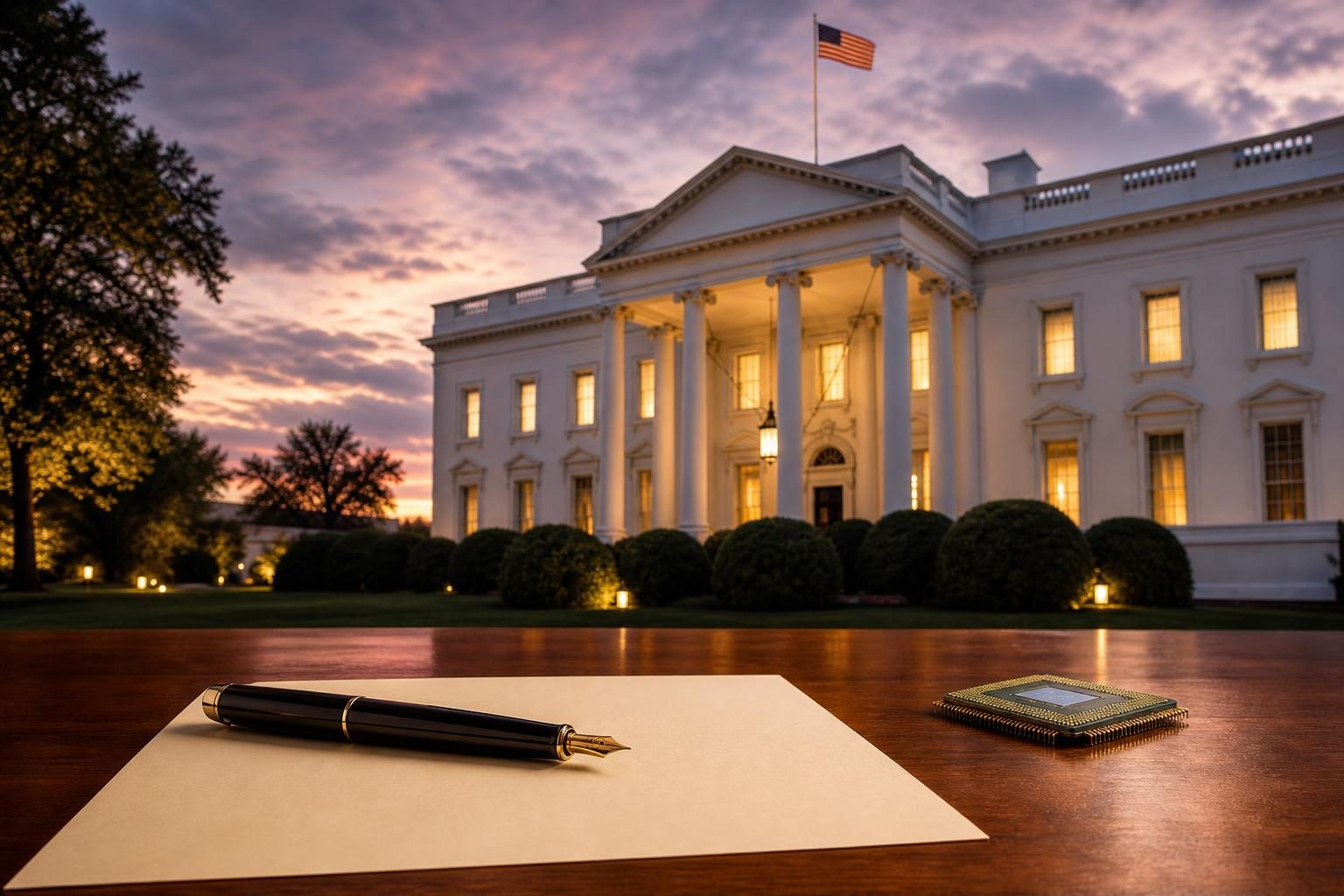
Illustration · Liberty Bell Report
Washington has quietly put away one of the more unusual tools in its push to end the war in Ukraine. The Trump administration has shelved proposals to use business deals as an incentive for Russia to stop fighting, the Financial Times reported, citing five officials briefed on the change. Reuters, which carried the report, said it could not immediately verify it.
According to the FT's account, special envoys Steve Witkoff and Jared Kushner have told European counterparts that corporate tie-ups are no longer a core part of the American pitch to Moscow. The ideas once on the table included American investment in Russian oil projects and titanium production, ventures in energy and aviation, and a restart of pipeline gas supplies to Europe. Officials on both sides had also discussed bringing an American investor into the Nord Stream pipelines, a topic Reuters first reported in October.
The business track was never a secret. In September, The New York Times reported that the administration was weighing economic deals with Moscow even before the fighting ended, a departure from the earlier view that trade should follow peace, Ukrainska Pravda reported in its account of that story.
Why the Carrots Came Off the Table
By the report's telling, the Kremlin simply was not biting. Russian officials first responded well to the proposals before cooling on them, and Moscow is still insisting that Ukraine give up territory, terms Kyiv rejects. One official quoted by the FT summed it up: the Russians "were not in the market for this kind of thing".
That is a striking admission about the other side of the table. A government that shrugs at oil, titanium and pipeline money is telling the world what it actually wants. It is not partnership. It is land and leverage.
The Hard Question: What Does Moscow Respect?
So here is the question worth asking. Did dangling business opportunities ever make sense with a government that invaded its neighbor and has spent years trying to redraw the map by force?
The case for the idea was reasonable on paper: give Russia's elites a financial stake in peace, and a ceasefire might hold. The case against it was stronger. Rewarding an aggressor with investment risks teaching every would-be invader, from Moscow to Beijing, that aggression is a down payment on a better deal later. American companies would also have been asked to stake their capital on the good behavior of a regime still at war.
If the FT is right, the Kremlin settled the argument itself. That is useful information, and it points toward the old conservative answer: peace through strength. Sanctions that bite, a Ukrainian army that can hold the line, and European allies who carry their full share of the load are what change a dictator's math. Investment deals can follow a real peace. They cannot buy one.
That brings up the administration's other track. Kushner has said President Trump would back NATO-style security guarantees for Ukraine under certain conditions, but only if he believed such a step clearly served America's national interests, The Epoch Times reported. That condition matters to every American family. A guarantee is a promise that could one day put American sons and daughters in harm's way. It deserves to be weighed with that seriousness, debated in the open and, if it ever comes to that, put before Congress.
What Comes Next
The diplomacy moves to Florida. President Trump is set to meet NATO Secretary-General Mark Rutte there, The Jerusalem Post reported, as European capitals press to be part of whatever comes next.
The test for the White House is simple to state and hard to meet: a peace that holds, a Ukraine that survives as a free and sovereign nation, and no blank checks for anyone, whether written in dollars, investment deals or open-ended military promises. Taking the business carrots off the table, if that is what happened, suggests Washington has read Moscow correctly. A settlement built on land concessions would be a far harder bargain, and Americans deserve to hear exactly what any deal would ask of Ukraine, of Europe and of us before it is signed.
Sources
- Business Standard: US shelves plans for business deals with Russia to end Ukraine war: Report (link)
- Reuters via Yahoo Finance UK: US shelves proposals to use business deals with Russia to end Ukraine war, FT reports (link)
- Hindustan Times: Trump shelves business deal proposals to persuade Russia to end Ukraine war: Report (link)
- Ukrainska Pravda: NYT: Trump considers "appeasing" Russia with business deals before hostilities end (link)
- The Epoch Times: Trump Would Back NATO-Style Security Guarantees for Ukraine Under Certain Conditions, Kushner Says (link)
- The Jerusalem Post: Trump to meet NATO chief Rutte in Florida (link)
— 30 —