World News
Kushner Says the Next Step Toward Peace Is Getting Russia and Europe to Talk Directly
After the Abu Dhabi round produced a major prisoner swap but no ceasefire, the President's envoy says Washington will now work to bring Moscow and Europe's capitals face to face.
By GRACE WHITFIELDStaff Correspondent · WASHINGTON · Nov 14, 10:00 PM · 3 min. read
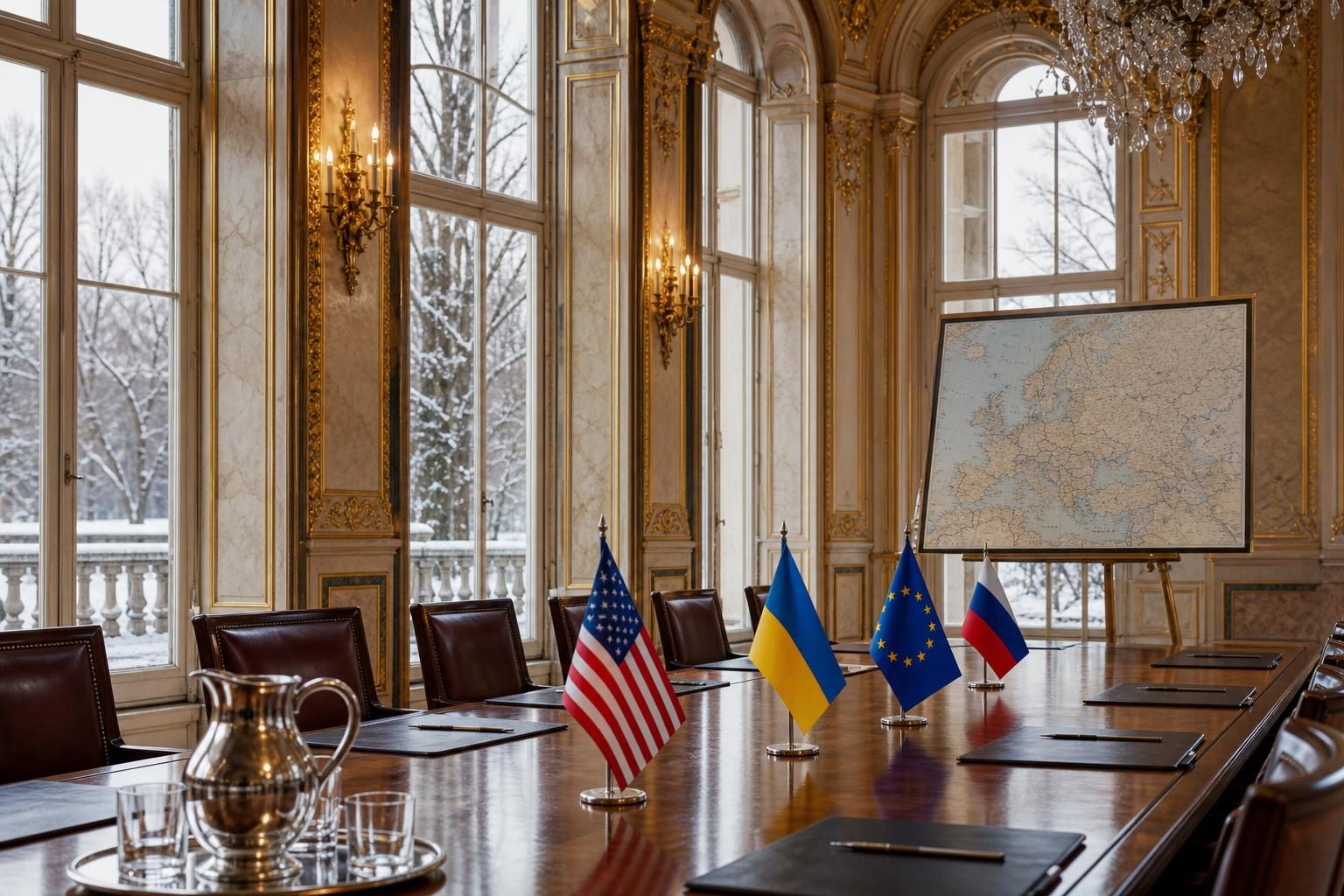
Illustration · Liberty Bell Report
President Trump's peace team is trying to widen the table. Jared Kushner, the President's son-in-law and envoy in the Russia-Ukraine talks, said Saturday that Washington is now focused on "facilitating direct engagement" between Russia and Europe, while it prepares the agenda for the next round of three-way talks among the United States, Ukraine and Russia.
Bloomberg reported that Kushner wants Moscow to talk directly with America's European allies as part of the push to end the war. Kushner did not say when those talks might happen or whether the Kremlin had agreed to such a format, according to The Tribune, which carried his remarks.
How We Got Here
The comments came days after two days of U.S.-brokered talks in Abu Dhabi, the first such round between Russia and Ukraine since February. Those meetings ended Wednesday with plans for a new prisoner exchange and further talks, but nothing that pointed to a wider peace deal, Al Jazeera reported. Kushner described the swap as the biggest yet, though no side gave figures at the time, Euronews reported.
Kushner and fellow envoy Steve Witkoff then planned to travel to Moscow to meet Vladimir Putin and afterward brief Ukrainian President Volodymyr Zelenskyy, and Kushner said the question of adding Europeans to the negotiating format would be on the agenda with Putin, according to Euronews. Russia's lead negotiator, Vladimir Medinsky, gave little sign that Moscow's demands had changed.
The idea of bringing Europe directly into the process has been building for weeks. Ukrainska Pravda reported earlier this month that Kushner had floated broader talks between Europe and Russia on the continent's postwar security, using the old NATO-Russia Council as a model.
What Kushner Wants
Kushner's case, as reported by the outlets that covered his remarks, is that a ceasefire alone is not enough. He said a lasting peace requires security guarantees for Kyiv and detailed, workable arrangements after the war that lower the risk of another one, and he argued that there can be no real security for Europe that leaves Ukraine out.
That puts Europe at the center. The countries that would help guarantee Ukraine's security, and that live closest to Russia's army, have the most at stake in what a settlement looks like. A deal negotiated over their heads would be harder to enforce and easier to break. A deal they help write is one they will have a reason to defend.
There are still big obstacles. Zelenskyy said the American side had raised whether Ukraine would withdraw from the Donbas region if it joined NATO, the first time that question had come up, Al Jazeera reported. Any trade of land for security would be painful for Ukrainians, who have paid an enormous price defending their homes. And Moscow has not shown that it is ready to give up the demands that have kept this war going.
Why It Matters
For nearly three years before President Trump returned to office, the war ground on with no serious peace process and a steady stream of American aid. The President promised to bring the fighting to an end. His envoys have kept both sides talking, won prisoner releases and pressed Kyiv and Moscow on the hardest questions, including borders and guarantees.
The approach reflects an old American principle: peace through strength, backed by allies who carry their share of the load. Asking Europe to deal directly with Russia, instead of leaving Washington to carry every conversation, is a fair expectation of nations whose own security is on the line. Europe has the money, the industry and the proximity to play a far larger role than it has.
Critics, including some in European capitals, worry that sitting down with the Kremlin before the guns fall silent rewards aggression. Supporters of the President's approach answer that wars end at negotiating tables, and that the sooner the right people are in the room, the sooner families on both sides stop burying their sons.
What Comes Next
The immediate task is the agenda for another three-way round, which Kushner said is being prepared. Whether Moscow agrees to meet the Europeans directly, and in what format, will be the first real test of this new track. Americans should hope it works, and pray for the people of Ukraine and Russia who have lived with this war for far too long. For now the talking continues, and so, sadly, does the fighting.
Sources
- CBS News: U.S. facilitating direct engagement between Europe and Russia amid push for peace in Ukraine, Kushner says (link)
- Al Jazeera: US envoy Kushner says he aims to broker Europe-Russia talks on Ukraine (link)
- Bloomberg: Kushner Wants Direct Russia-Europe Talks in Ukraine Peace Push (link)
- The Tribune: US envoy Kushner says focus now on "facilitating direct engagement" between Russia, Europe on Ukraine peace talks (link)
- Euronews: Abu Dhabi peace talks end with prisoner exchange agreement as US envoys prepare to meet Putin (link)
- Ukrainska Pravda: Trump's son-in-law Kushner seeks to revive NATO-Russia Council model as part of efforts to end war (link)
— 30 —