Weather & Natural Disasters
A Record-Breaking El Niño Is Still Growing: What the Pacific's Warm Surge Means for Your Winter, From California to the Gulf Coast
NOAA says a strong to very strong El Niño is likely through early 2027, with about a 60 percent chance of the most powerful event since at least 1950. Here is what to expect and how to prepare.
By SAVANNAH REEDStaff Correspondent · CALIFORNIA · Nov 15, 4:15 PM · 3 min. read
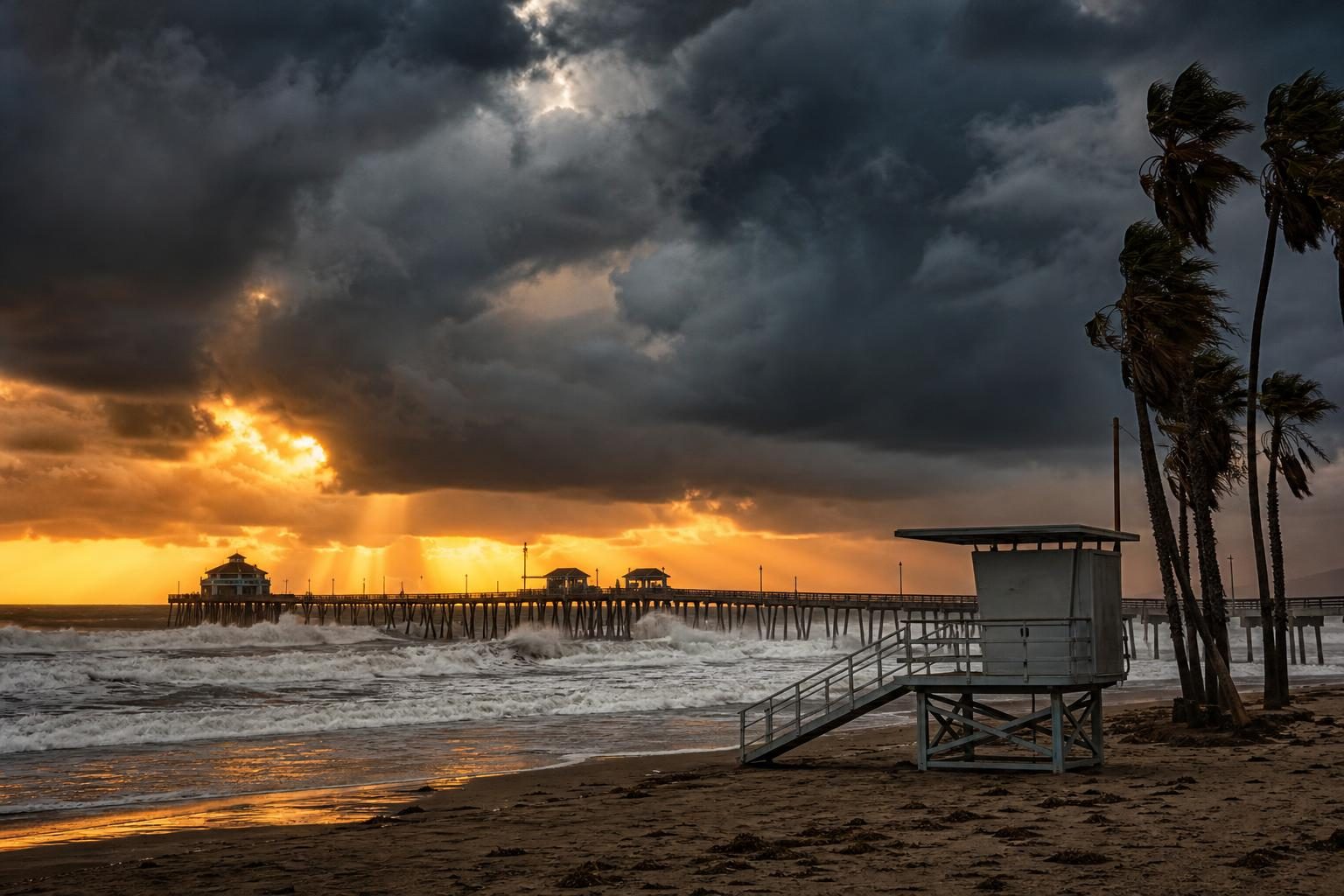
Illustration · Liberty Bell Report
The warm surge in the tropical Pacific that forecasters have watched since summer is still building, and it is now on track to rank among the strongest El Niño events in modern records. That matters for American families from the beaches of Southern California to the bayous of Louisiana, because El Niño helps set the pattern for the winter ahead.
What NOAA Said This Week
In its monthly update on Nov. 12, NOAA's Climate Prediction Center kept its El Niño Advisory in place and said the event is still strengthening. Forecasters said a strong to very strong El Niño is likely to last through January to March 2027, putting the odds above 79 percent, according to Powder's report on the update.
The bigger headline is the chance of a historic event. NOAA now puts the odds at about 60 percent that this El Niño will exceed every event on record back to 1950 during the October-to-December and November-to-January periods, Powder reported. That figure is slightly lower than the agency's October estimate, but it is still a remarkable number.
The ocean readings explain why. The latest weekly figures in the update show the key Niño-3.4 region of the central Pacific running about 2.5 degrees Celsius above normal, with waters near the coast of South America running warmer still. Back in August, NOAA had already given the event nearly a 70 percent chance of becoming the strongest on record, CNN reported. Yahoo News reported this weekend that the event could become the strongest on record, with extreme weather lasting into 2027.
NOAA expects El Niño to keep strengthening for now and then weaken during early 2027.
What It Could Mean Where You Live
El Niño is not a single storm. It is a shift in the jet stream that tilts the odds for a whole season. For the United States, forecasters expect the classic pattern of a milder North and a wetter South to hold at least through February, according to Powder.
Southern California is already being told to brace for a volatile winter, FOX 11 Los Angeles reported, as the historic event takes shape. Heavy rain is especially dangerous on hillsides stripped bare by wildfires, where mud and debris can move fast, so families in burn areas should pay close attention to local warnings.
The Climate Brink, a newsletter written by climate scientists, said in its look at the event's impacts that it points to wetter winters from the U.S. Gulf Coast to southern South America and to drought in places such as Indonesia, southern Africa and northern South America. The newsletter also said 2027 is now very likely to be the warmest year in the global record, as El Niño releases heat stored in the Pacific.
For the northern tier, from the Pacific Northwest to the Great Lakes and New England, a strong El Niño often means a winter that is milder than usual. Milder does not mean safe. Ice storms, a single heavy snow and sudden cold snaps can still arrive in any El Niño winter, so drivers and homeowners should not let their guard down.
How to Get Ready
There is no reason for panic, and plenty of reason for common sense. A few steps now can spare your family trouble later:
Clear gutters, downspouts and storm drains near your home before the heavy rains arrive. Test your sump pump if you have one.
Call your insurance agent and ask what your policy covers. Many families learn too late that their homeowner's policy does not cover flooding.
Build a simple emergency kit with water, food, medicine, flashlights and batteries, and sign up for your county's emergency alerts.
Check on elderly neighbors and shut-ins when storms are forecast. In hard winters, churches, neighbors and volunteers are often the first help to arrive, and that kind of care is worth planning for.
What Comes Next
NOAA will issue its next three-month seasonal outlook on Thursday, Nov. 19, and its next El Niño update on Dec. 10. The forecast calls for the event to peak around the turn of the year and to keep shaping American weather into early spring.
We will keep tracking the forecast and what it means for your area through the winter.
Sources
- Yahoo News: El Niño could become the strongest on record, with extreme weather lasting into 2027 (link)
- NOAA Climate Prediction Center: ENSO Diagnostic Discussion (link)
- Powder: A Super-Charged El Niño Is Brewing in the Pacific Ocean, and the Odds of a "Historic" Event Have Increased (link)
- CNN: El Niño is headed for record-shattering intensity, NOAA says (link)
- The Climate Brink: The impacts of this year's record-shattering El Niño (link)
- FOX 11 Los Angeles: Historic 'Godzilla' El Niño forms: Southern California warned of volatile winter ahead (link)
— 30 —