U.S. News
Wolves Killing Calves: Trump's Delisting Decision Due Dec. 3
Interior has ten days to say whether gray wolves have recovered enough to leave the endangered list, and Midwest ranchers who keep losing livestock are waiting.
By JACK HOLLISTERStaff Correspondent · WISCONSIN · Nov 23, 2:48 AM · 2 min. read
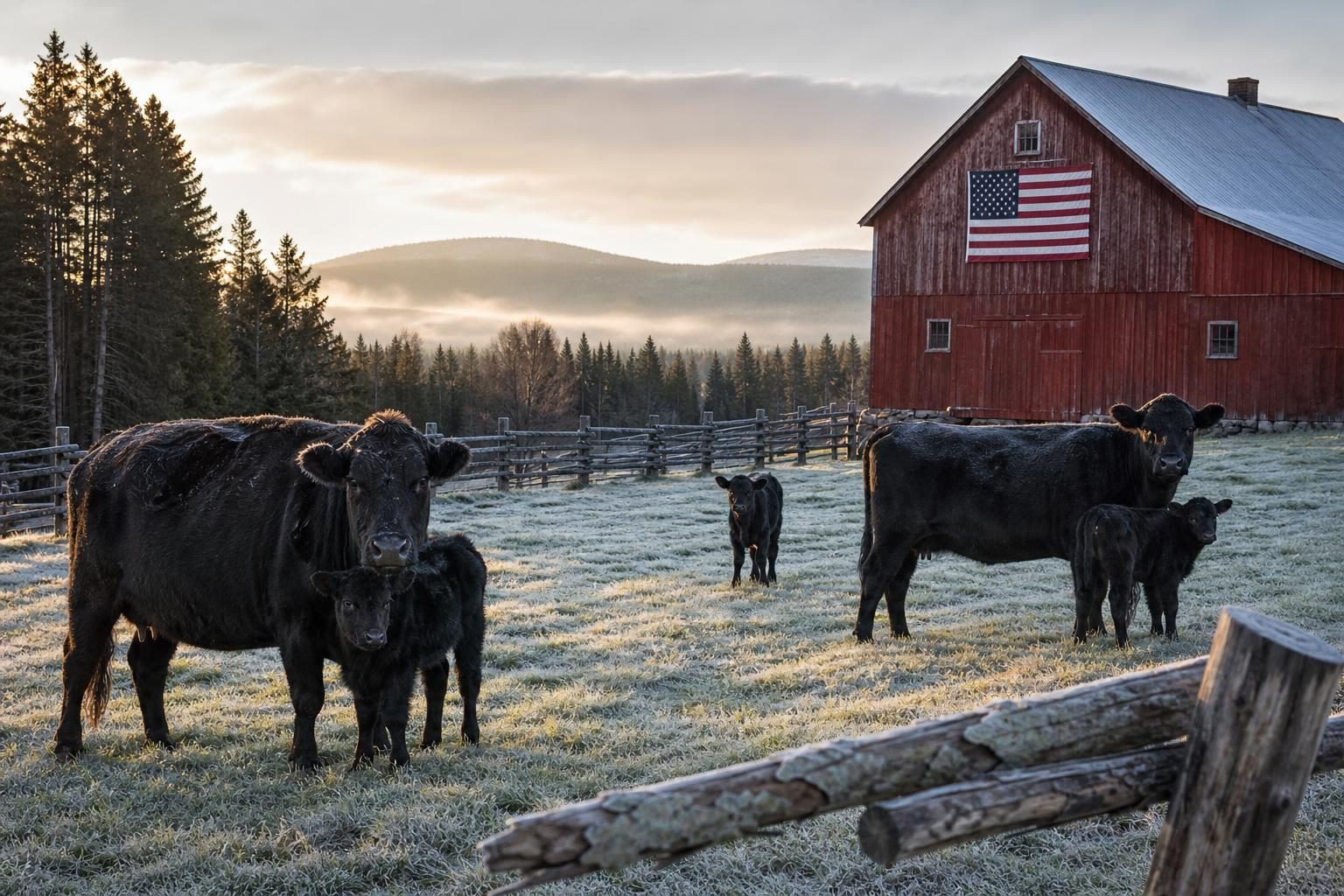
Illustration · Liberty Bell Report
Ranchers in the Upper Midwest are counting down to Dec. 3, the deadline for the Interior Department to decide whether gray wolves have recovered enough to come off the federal endangered species list, a move President Trump set in motion this fall.
Fox News Digital reported that the department must determine by that date whether gray wolves and their subspecies, Mexican wolves, have met the recovery criteria under the Endangered Species Act. If they have, Interior must begin removing or reducing federal protections. Wisconsin Public Radio reported that the President signed an executive order in September aimed at taking gray wolves off the list, leaving Interior Secretary Doug Burgum to approve or deny the change.
Three Calves in One Night
For farmers, the question is not academic. Minnesota farmer Shayne Isane, who has worked the land for nearly four decades, told Fox News that one of his worst losses came when wolves killed three young calves in a single night. He said the wolves often drag away the carcasses, making attacks hard to confirm for state investigators, and that he is unable to handle the threat on his own.
If the delisting goes through, farmers and ranchers in Michigan, Minnesota and Wisconsin would be able to kill a wolf that is actively threatening their livestock, WPR reported. Wisconsin's state data showed 55 confirmed or probable wolf attacks on livestock and hunting dogs as of Sept. 9, and a Farm Bureau official told the station the animals now need to be managed rather than left to grow unchecked.
A Population That Has Come Back
The Minnesota Department of Natural Resources estimated about 2,400 gray wolves in the state in 2026, with no statistically significant change from the year before, and described the population as stable, according to Fox News. Wolves were taken off the list in 2020 during the President's first term, but a federal judge restored protections across most states in 2022, outside the Northern Rockies, where states still manage them. An appeals court is weighing that ruling.
The Other Side
Environmental groups argue that delisting could open the door to culling, trapping and trophy hunting. Defenders of Wildlife's Eric Clewis told Fox News that wolves account for less than 1% of total livestock losses. Some researchers doubt the change would help much: a Michigan DNR specialist told WPR it would not save the beef industry, and a University of Wisconsin researcher said nonlethal methods work best to deter attacks.
Those concerns deserve a hearing. But a population that state biologists describe as stable should be managed by the states that live with it, and a family that loses three calves in a night should be allowed to protect its herd. That is what the Endangered Species Act was meant to achieve: recovery, and then a return to local control.
The decision now sits with Burgum, and the clock runs out in ten days.
Sources
— 30 —