Technology
REPORT: BEIJING SPY OFFICER STAYED IN CONTACT WITH ALICE HUANG
U.S. intelligence reports describe more than a year of contact between the woman at the center of the Nvidia scandal and an officer of China's Ministry of State Security, as the nation's spy chief confirms an active investigation.
By RYAN MERCERStaff Correspondent · VIRGINIA · Nov 22, 11:40 PM · 2 min. read

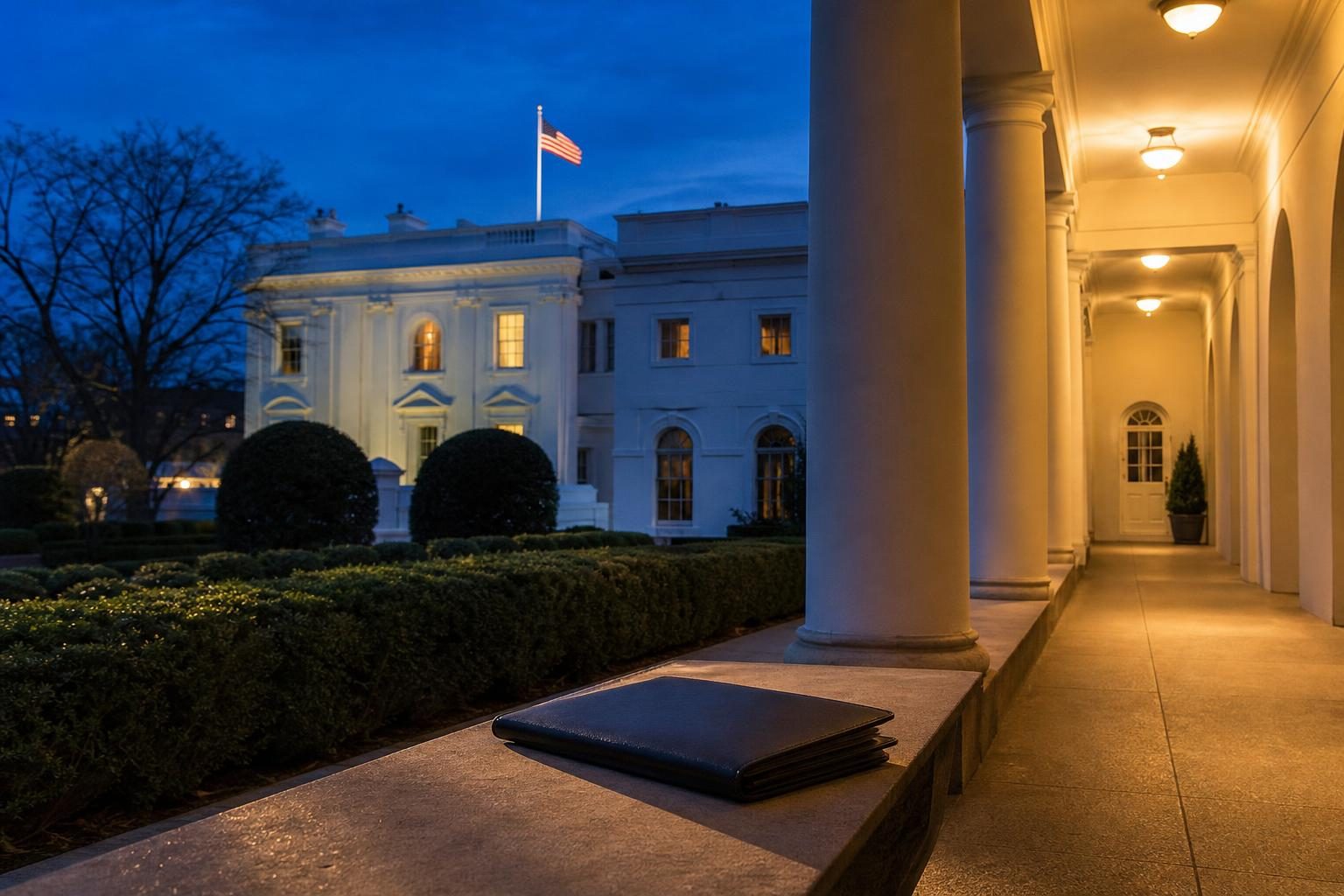
Illustration · Liberty Bell Report
The Nvidia scandal took a sharper national-security turn Sunday. U.S. intelligence reports indicate that Alice Huang, the woman whose relationship with Jensen Huang ended his run atop the chipmaker, was in contact with an officer of China's Ministry of State Security during the period of that relationship, The New York Times reported.
According to the Times, which cited people familiar with the intelligence, the contacts ran from the spring of 2025 until this fall and overlapped with at least part of the time she was involved with the former Nvidia chief. Hindustan Times, summarizing the report, described the ministry as China's top spy agency. The disclosure is the most serious turn yet in a story that has already cost Nvidia its longtime chief executive and rattled the stock market.
What the Spy Chief Said
The report landed on the same day Director of National Intelligence Jay Clayton said on national television that the United States is investigating an alleged Chinese spy who had an affair with the company's former chief executive, Bloomberg reported. Clayton described Nvidia as a perpetual target for people trying to illegally obtain its most advanced chips.
That framing matters. What the intelligence describes is the kind of patient, long-running approach that American counterintelligence officials have warned about for years: a hostile service building access to the people closest to the country's most valuable technology. Whether anything of value actually changed hands is the question investigators now have to answer.
Why It Matters
Nvidia's processors are the engine of the artificial intelligence boom, and Washington licenses which of them can be sold to Chinese buyers. Days before this report, the Times traced a supply chain worth roughly $4 billion built around Megaspeed, a Singapore company linked to Alice Huang, and found that firms in that network had ties to suppliers for China's military. Federal officials are examining whether chips routed through that network broke U.S. export-control law.
A Republican-led House panel has already released records showing the Commerce Department cleared hundreds of thousands of advanced AI chips for buyers the Pentagon lists as Chinese military companies. Put together, the picture is of an export system that relied too heavily on paperwork while Beijing worked the human side of the problem.
What Comes Next
The questions now run in two directions. Investigators will want to know what, if anything, passed from Nvidia to Beijing through these contacts. Lawmakers will want to know why it took a newspaper to put the timeline in front of the public, and whether chip licenses are being granted with any real check on who ends up using the hardware.
For conservatives who have warned for a decade that the Chinese Communist Party treats American technology companies as targets rather than partners, the reporting is a sober reminder. Guarding the chips that will decide the next era of military power is not an afterthought to the AI race. It is the race. China hawks in both chambers are likely to press for answers when Congress returns after Thanksgiving, and they should.
Sources
- The New York Times: U.S. Tracked Alice Huang's Contacts With China Spy Agency During Nvidia Affair (link)
- Hindustan Times: Alice Huang was in contact with China's spy agency during affair with Jensen Huang: Report (link)
- Bloomberg: Spy Chief Says US Probing Alleged Spy Tied to Former Nvidia CEO (link)
- The New York Times: Spying Suspect's Chip Network Has Ties to Chinese Military Suppliers (link)
- Newser: How Nvidia Chips Reached China's Military (link)
- The Register: US let Nvidia and AMD sell bucketloads of chips to military-linked Chinese companies (link)
— 30 —