Technology
Judge Frees Ex-OpenAI Engineer Accused of Bugging Company Meetings on $1 Million Bond Over Prosecutors' Objections
Prosecutors called Saudi national Abdulrahman Alfozan a flight risk with deep resources abroad. A magistrate judge ordered home confinement and an ankle monitor ahead of a January trial.
By RYAN MERCERStaff Correspondent · CALIFORNIA · Nov 24, 8:30 PM · 3 min. read

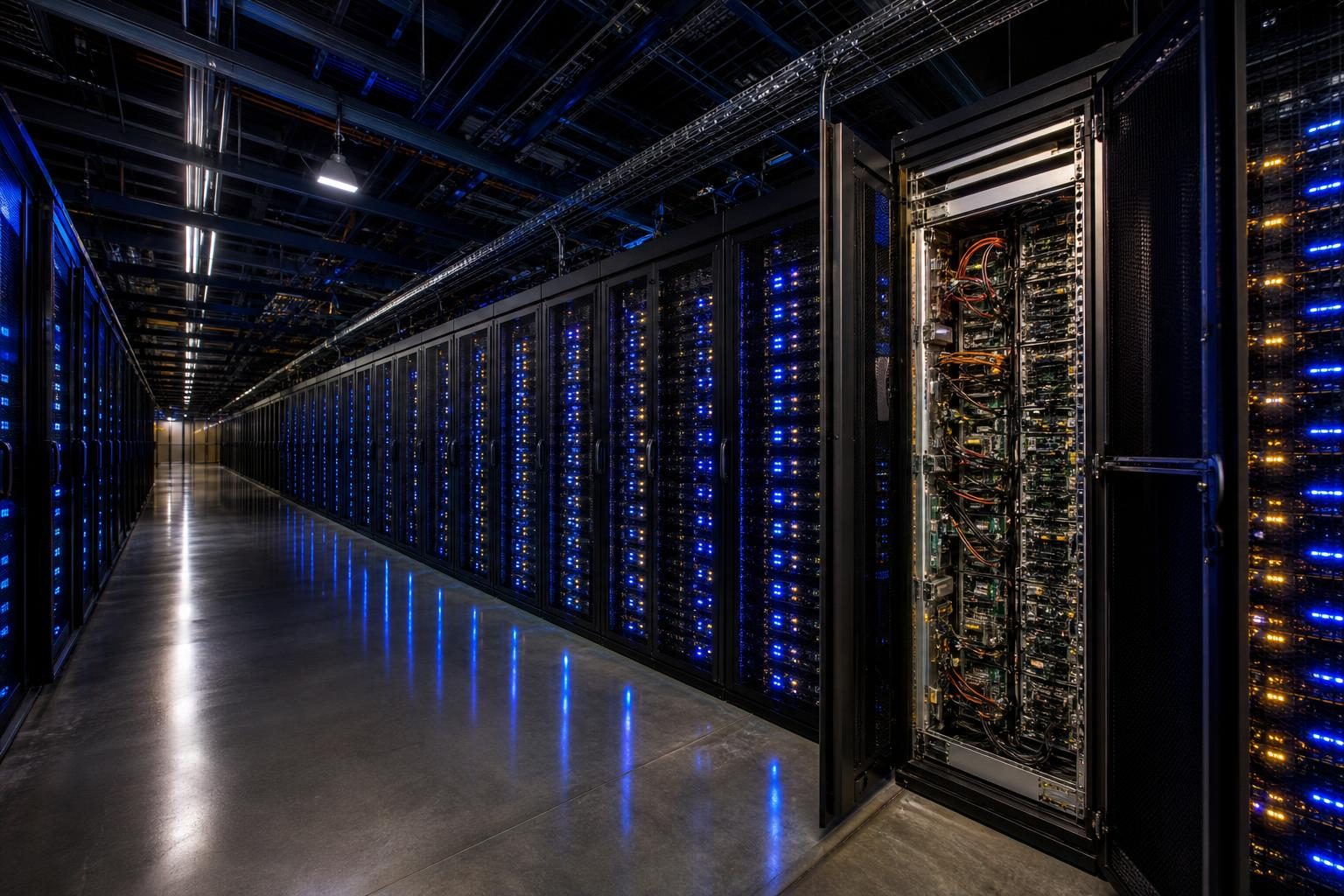
Illustration · Liberty Bell Report
A federal magistrate judge on Tuesday approved the release of Abdulrahman Alfozan, the former OpenAI engineer accused of secretly bugging a conference room at the artificial intelligence company's San Francisco headquarters, on a $1 million bond, CNBC reported.
Magistrate Judge Alex G. Tse found that the government had not offered enough evidence to justify keeping Alfozan locked up before trial, while noting that the question of detention could be revisited if more information comes to light, according to CNBC. Alfozan is a Saudi national and a lawful permanent resident of the United States.
The decision reverses the earlier course of the case. In October, a federal judge in San Francisco ordered Alfozan held without bail pending trial, citing a significant risk that he would flee.
Strict Conditions
The release comes with tight limits. Alfozan will post $500,000 toward the $1 million bond, Courthouse News Service reported. He is barred from contacting OpenAI employees and from accessing OpenAI materials except through the normal exchange of evidence in the case. He is expected to be confined to his home in Millbrae, California, and monitored with an ankle bracelet. Reports indicated his release was expected as soon as Wednesday.
Prosecutors fought the release. They argued that Alfozan remains a flight risk, pointing to his significant financial resources and his ties to Saudi Arabia, CNBC reported.
The Charge
Alfozan is charged with one count of illegally intercepting conversations. He has pleaded not guilty, and his trial is scheduled for January. Like every defendant, he is presumed innocent unless and until the government proves its case in court.
The bail decision does not resolve the central questions in the case: what, if anything, was recorded, who heard it, and why. Those are matters for the trial. But the judge's ruling makes clear that, for now, the court sees home confinement and electronic monitoring as enough to secure his appearance.
Why It Matters
The facts of this one case will be decided by a jury. The larger lesson does not have to wait for a verdict.
America's leading AI companies are building technology that Washington increasingly treats as a matter of national security, the kind of work rival governments would very much like to see. Meeting rooms where engineers discuss model designs, chip supplies and security plans are as sensitive as many government offices. Yet private labs largely police themselves, with security practices that vary from company to company.
The allegation that someone inside one of the most closely watched labs in the world was able to plant a recording device should be a wake-up call for the whole industry, whatever the outcome at trial. Physical security, employee vetting and sweeps for listening devices are not glamorous, but they are the kind of basic protection that keeps American know-how in American hands. Companies can start with simple steps: regular checks of sensitive rooms, tighter rules on what hardware comes into meetings, and clear channels for employees to report anything that looks wrong.
There is also a balance to strike. Lawful permanent residents and foreign-born engineers make enormous contributions to American technology, and nationality alone is never evidence of wrongdoing. The right approach is careful vetting for sensitive roles and swift prosecution when the law is broken, not suspicion of entire groups.
Prosecutors clearly believe the risk of flight is real, and they told the court so. The judge concluded that strict conditions could manage it. If Alfozan honors those conditions and appears for trial, the system will have worked as designed. If not, the government's warnings will look prescient.
What Comes Next
Alfozan's release under home confinement was expected to begin as soon as Wednesday. The judge left the door open to revisiting detention if new information emerges. His trial on the interception charge is scheduled for January, and the case will be a closely watched test of how federal prosecutors handle alleged spying inside America's AI labs.
Sources
— 30 —