Technology
FCC Cuts China's State-Owned Carriers Off From Direct Access to American Phone Numbers
Chairman Brendan Carr calls the new rule a first line of defense against robocalls, as Washington keeps tightening its guard on the phone network after the Salt Typhoon hacks.
By RYAN MERCERStaff Correspondent · WASHINGTON · Nov 19, 6:39 PM · 3 min. read
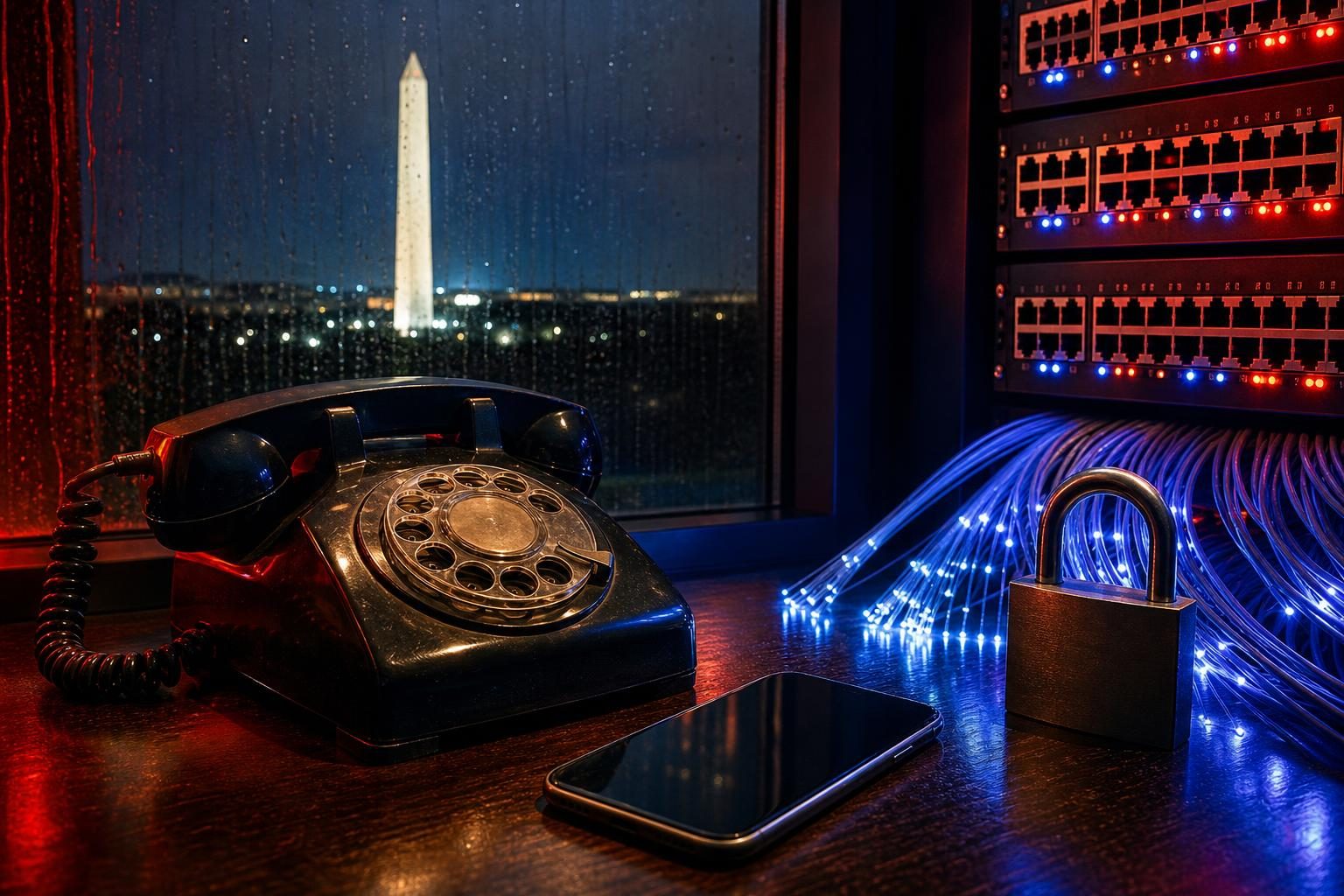
Illustration · Liberty Bell Report
The Federal Communications Commission voted Thursday to bar China's three big state-owned telecom companies, China Mobile, China Telecom and China Unicom, from getting direct access to American phone numbers, Fox Business reported. Reuters reported that the order also reaches other internet-based calling providers tied to companies on the FCC's national security list.
FCC Chairman Brendan Carr said the move would strengthen the agency's "first line of defense against bad actors and illegal robocallers," according to Reuters.
What the Rule Does
Most Americans never think about where a phone number comes from. Under the FCC's system, companies that offer internet-based phone service, known as VoIP, can apply to draw numbers straight from the national supply instead of going through another carrier. Reuters explained that direct access lowers costs and makes advanced calling features possible.
That convenience is also what makes it valuable to anyone who wants to pour large volumes of calls into American phones. The new order closes that door to the three Chinese carriers and to internet calling providers that use equipment from companies the FCC has flagged as national security risks, including Huawei and ZTE.
The commission announced the plan in late October and scheduled the vote for Nov. 19, Reuters reported at the time. The proposal was aimed at companies on the FCC's Covered List, the agency's roster of communications equipment and services judged to pose an unacceptable risk to national security.
Why Washington Is Worried
The vote comes after U.S. officials warned that Chinese state-backed hackers broke into American telecom networks and stole call records in the campaign known as Salt Typhoon, Reuters reported. The FCC had already barred the three companies from providing international telecommunications service to the United States.
The agency has also gone after the carriers on robocalls directly. Earlier, it ordered the three companies to fix problems with their filings in the FCC's robocall mitigation database and warned that failure could mean removal, which would force U.S. carriers to stop accepting their calls directly.
Thursday's order may not be the last word. Before the vote, the FCC was weighing whether to revoke existing direct-number authorizations and whether to bar the Chinese carriers from connecting to U.S. networks or running data centers in the United States.
Beijing Objects
China has pushed back hard. When the plan was announced, China's embassy in Washington said the action would hinder normal economic and trade cooperation between Chinese and American companies. Beijing has denied U.S. espionage allegations, Reuters reported, and Chinese officials have criticized the latest U.S. proposals targeting the country's operators.
Why It Matters to Your Family
Robocalls are more than an annoyance at dinnertime. They are the front door for scams that target the elderly, the lonely and the busy, often with numbers made to look local and trustworthy. Every link in the chain that brings those calls into American homes is worth guarding.
There is a bigger principle at stake too. The phone network is critical infrastructure, as essential as the power grid or the water supply. Letting companies answerable to the Chinese Communist Party plug directly into America's numbering system was never really a question of free trade. It was a question of security, and the FCC has now answered it.
That is not hostility toward the Chinese people, and it is not a call to wall off the world. It is common sense about who gets the keys to the systems Americans depend on every day. Lawmakers in both parties have spent years warning about Chinese access to American networks. Thursday's vote turns those warnings into a rule.
For most families, the change will not be visible. It does not block individual calls from overseas or change anyone's phone service; it controls which companies may draw numbers directly from the American system and what they must prove to keep that privilege.
What to watch next: whether the commission follows through on the tougher steps it has weighed, and whether Beijing answers with measures of its own against American companies.
Sources
- Fox Business: FCC bans Chinese firms from direct access to US phone numbers in bid to curb robocalls (link)
- Reuters (via WHTC): FCC votes to ban Chinese telecoms from direct access to US phone numbers (link)
- Reuters (via U.S. News & World Report): US Plans to Ban Chinese Telecom Firms From Direct Access to US Phone Numbers (link)
- South China Morning Post: Chinese telecoms giants in Washington's crosshairs as FCC weighs fresh curbs (link)
- Mobile World Live: China slates latest US proposal targeting operators (link)
- Devdiscourse (Reuters): FCC Targets Chinese Telecom Giants in Robocall Mitigation Move (link)
— 30 —